Select Language:
Rethinking Global Classifications: What Do First, Second, and Third World Really Mean in 2025?
1. The Origins of the Terms ‘First,’ ‘Second,’ and ‘Third World’
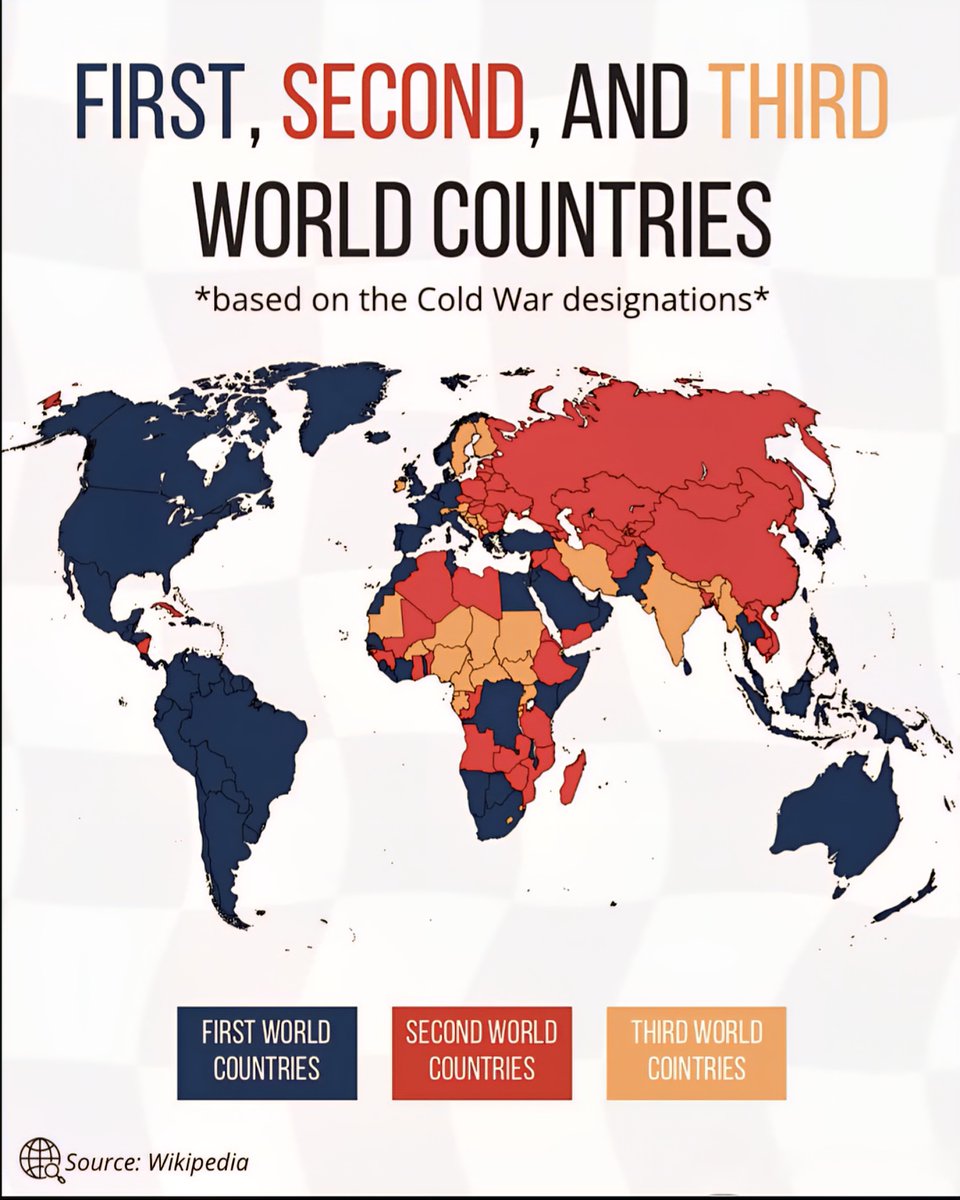
Many people associate these labels with economic wealth and development levels, but their roots are far more political than practical. Originally coined during the Cold War era, “First World” was used to describe countries aligned with NATO and Western powers, emphasizing their alliance with the United States and its allies. Conversely, “Second World” referred to nations aligned with the Soviet Union, China, and the Communist bloc, marking their allegiance during the tense global standoff.
“Third World” countries were those that remained neutral or did not align with either of the two dominant military coalitions. Over time, these labels morphed into crude indicators of economic status, often perpetuating stereotypes and generalizations that no longer reflect the complex realities of modern geopolitics.
2. Cold War Politics Versus Contemporary Realities
While these terms originated during a period of intense ideological conflict, their use today has significantly evolved. In 2025, the labels mostly overshadow the nuanced political and economic landscapes that define countries today. Many ‘Third World’ countries, once overlooked, have become emerging markets and global innovators. Meanwhile, some traditionally considered ‘First World’ nations face significant internal challenges.
The political allegiance-based classification no longer fits the dynamic and interconnected nature of the world economy. Countries now have multifaceted international relations, participations in multiple economic alliances, and hybrid political systems that defy simple categorization.
3. Economic Development Has Outlived the Terms’ Original Contexts
It’s a common misconception to view first-world countries as automatically wealthy or developed and third-world countries as still struggling. In reality, some nations that fall into the “Second World” category, like China, have become major economic powerhouses, surpassing many traditional Western nations in some sectors.
Conversely, some countries labeled as “First World” face economic disparity, social unrest, and political instability, making the categories increasingly meaningless on their own. Such labels no longer serve as accurate indicators of a country’s current socio-economic standing.
4. The Rise of New Classifications and Global Indicators
Today, experts prefer using more precise language and indicators to describe a country’s status. Terms such as “developed,” “developing,” or “emerging markets” are more reflective of current realities. Rankings based on GDP, Human Development Index (HDI), and other metrics provide a clearer picture of a nation’s economic and social conditions without the baggage of Cold War-era labels.
This shift emphasizes recognizing the complexity and diversity of each country’s situation rather than applying outdated, binary labels rooted in ideological divides.
5. Modern Labels and Their Significance
In 2025, the global community increasingly recognizes that labels like “First,” “Second,” and “Third World” are not only inaccurate but also potentially harmful stereotypes. They obscure the progress, challenges, and unique identities of nations and communities.
International organizations, policymakers, and scholars advocate for language that reflects reality—highlighting growth, innovation, and resilience rather than outdated political designations. Countries such as India, Nigeria, and Indonesia are now seen as significant emerging markets with massive potentials, challenging simplistic classifications.
6. Why Reconsidering These Terms Matters
Using outdated terms can perpetuate misconceptions and hinder meaningful dialogue. It can also influence funding, policy decisions, and international cooperation in ways that are not aligned with current realities.
Refining our language around countries’ statuses encourages a more accurate understanding of global dynamics. It fosters respect for individual nations’ trajectories, acknowledges their progress, and highlights their ongoing struggles without reductionist labels.
7. The Future of Global Geopolitical Labels
Moving forward, the international community is leaning toward more nuanced classifications that account for multiple factors—economic, technological, geopolitical, and social. Such descriptors help craft policies that are better suited to each nation’s needs.
Ultimately, the goal is to foster a global environment based on informed perspectives and genuine partnerships rather than outdated stereotypes rooted in Cold War politics.
In summary, the terms “First World,” “Second World,” and “Third World” were born out of Cold War politics and no longer accurately reflect the complexities of today’s nations. As global dynamics evolve, so should our language—embracing more precise, respectful, and insightful descriptions of countries’ realities in 2025 and beyond.
 ChatGPT
 Perplexity
 Gemini AI
 Grok AI