
Select Language:
One of my cats recently picked up some kind of illness, which led to a trip to the veterinarian, blood work, and a bill of roughly $135. After all that, it turned out to be just a normal fever. Good news for the cat. Slightly embarrassing news for me, as I spent the next few hours wondering if a device could’ve helped me panic more efficiently.
That’s the challenge with pet tech. It sounds silly until life gives you a strange symptom, a skipped meal, or an unexpectedly quiet afternoon. There are automatic feeders controllable via app, collars that monitor escape attempts, cameras that let owners watch their pets nap, and water fountains that track drinking habits because apparently even the bowl benefits from analytics.
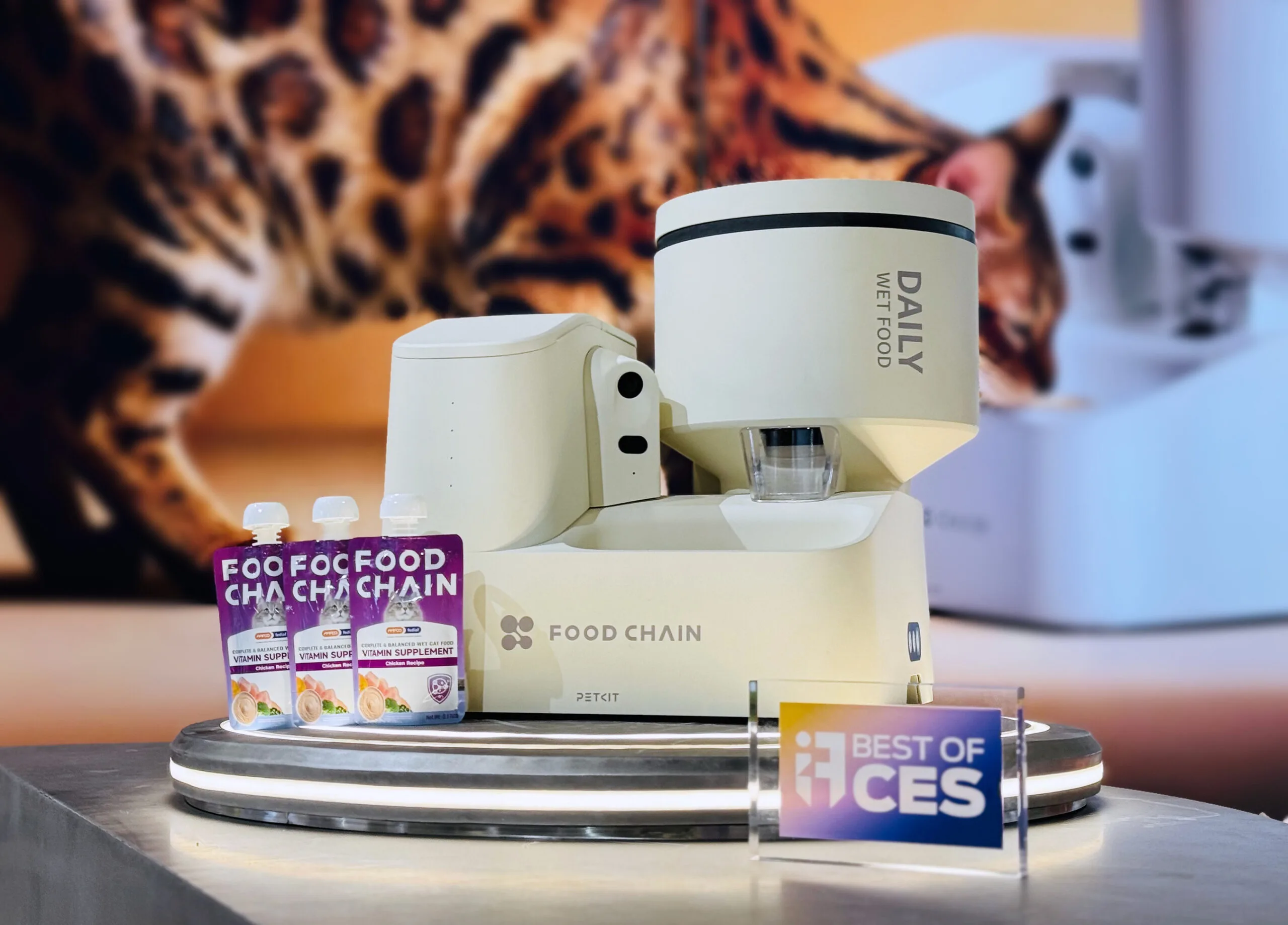
At CES 2026, a PETKIT water fountain was featured with a camera and AI analysis that tracks each pet’s drinking patterns, which is the kind of detail that makes this category both unbelievable and inevitable at the same time.
My initial instinct is to dislike all of this. But then I remember I have cats, which means I’m not observing this market from a safe, detached perspective. I’m caught right in the middle of it.
That’s the tricky brilliance of these devices. They appear luxurious, often almost absurdly so, but they target something more vulnerable. They promise that workdays can be less stressful, routines less fragile, and emergencies less unpredictable.
None of that is inherently silly. The funny part is how quickly caring becomes a habit of constant checking. A pet camera begins as a comfort tool. Within two weeks, you’re reviewing footage of your cat walking past the couch like it might hold some kind of secret.
The subscription model is where my fondness begins to wane. Purchasing a device is one thing. Paying monthly just to feel slightly less anxious about the animal that already lives rent-free in my home is another. For instance, Fi’s Mini GPS tracker works over LTE-M, monitors activity and sleep, and costs $129 annually for its subscription.
And yet, this is where the illusion of simplicity falls apart. Cats are quirky creatures with a talent for hiding problems until they become costly. A weird drinking week, a missed meal, an unusually quiet afternoon, and suddenly the gadget seems entirely sensible. I can mock the camera all I want, but I know the version of myself who would open the app simply to verify they’re alive, curious, and probably judging me.
The line between frivolous and useful blurs quickly. A device that claims to replace attention, intuition, or veterinary care can be met with skepticism. But one that assists with routine tasks like feeding or early detection of issues is much harder to dismiss. Consistent feeding habits and early warning signs are practical—regardless of whether they come wrapped in a startup’s branding.
I don’t want my cats to become just another data point on a dashboard. I also dislike the idea that affection is solely measured by push notifications and another monthly fee nibbling away at my budget. But if a device helps me catch a problem early, I know what I’ll do. I’ll charge it, assign a name, gripe about it, and check the app like a total hypocrite.
 ChatGPT
 Perplexity
 Gemini AI
 Grok AI