

Select Language:
Anker Solix E10
Manufacturer’s Suggested Retail Price $5,799.00
“A modular approach to backup power that actually adapts to how people live, not just system specifications.”
Pros
- Highly expandable system: add batteries, circuits, or parallel setups.
- Smooth transition during outages.
- Handles power surges from air conditioning units or well pumps.
- Operates without internet after initial setup, using Bluetooth for local control.
Cons
- A custom natural gas hose is needed for the Smart Generator 5500.
- App interface has a slight learning curve for setup.
- 130-pound battery modules require some effort to install.
Instant Perspective: Reliable Power, No Interruptions
Whole-house backup power sounds ideal, especially in my rural setting. Our outages are frequent and serious—here, when the power fails, so does water, because we rely on well water. No water for toilets, cleaning, or drinking. That’s what prompted me to try the Anker SOLIX E10 Whole-Home Backup System. This is not a test setup; it’s installed and actively used in my home.
Traditional generators from well-known brands like Generac are powerful but costly. Latest options like Tesla Powerwall tend to be complex and pricey too. The Anker SOLIX E10 offers a flexible, scalable alternative that challenges conventional home backup methods—all at a more manageable price point.
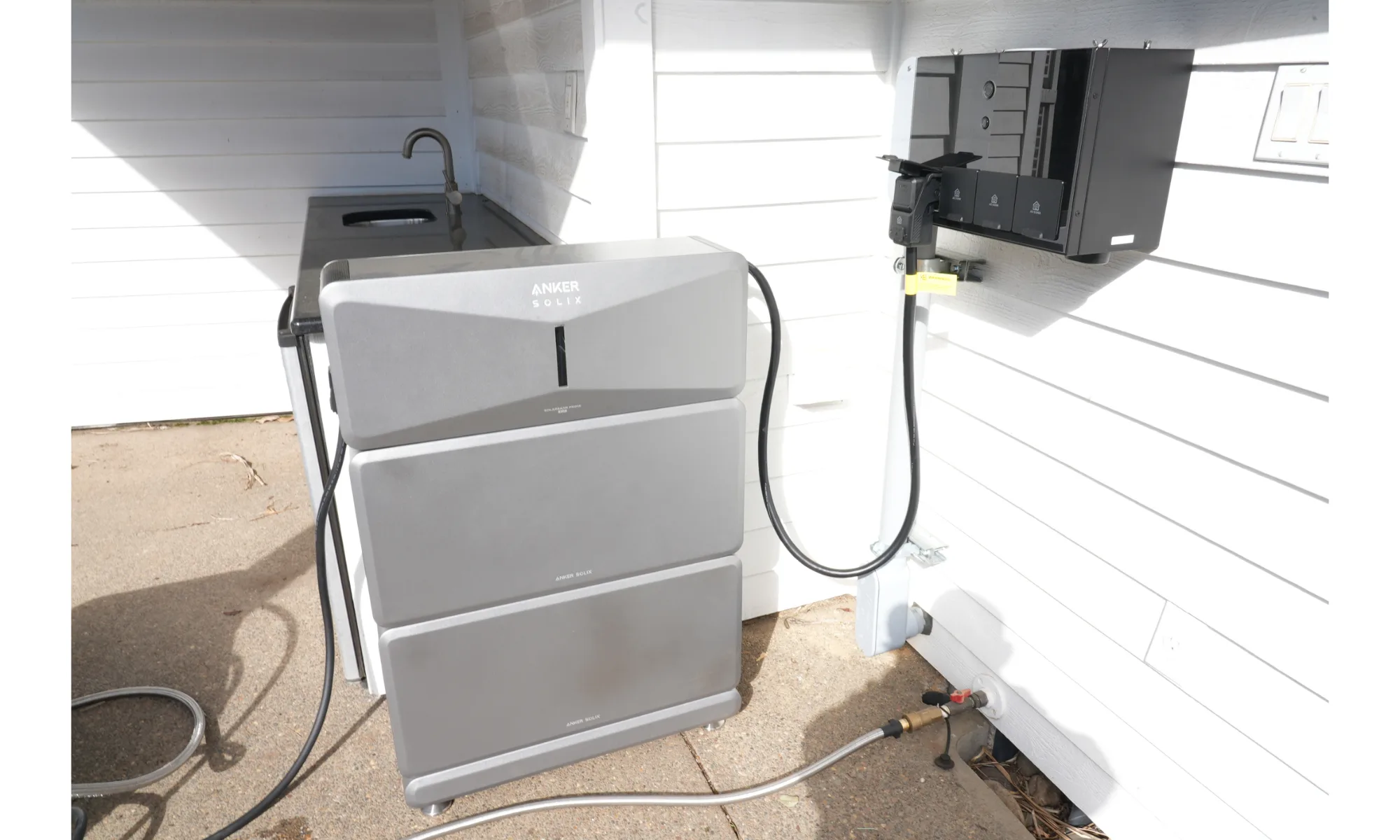
The overall cost—including parts and installation—beats competitors while providing up to 37.2 kW of surge power. But specifications alone reveal little about how reliable it truly feels in a real outage when your home must continue operating seamlessly.
My main concern wasn’t just about protecting the house; it was about solving my water outage issue during power failures. What I found is that Anker didn’t just develop a battery—they built an intelligent, hybrid-style system. It’s not about being the cheapest; it’s about matching your home’s needs and offering future expansion options. The most significant takeaway from my experience is how natural it feels—the house keeps running, even when the power grid is down.
Specifications for the Anker Solix E10
| Size (Inverter) | 26.4 x 11.8 x 10.2 inches |
| Weight | 60.6 pounds (Inverter), 130 pounds (Battery Modules) |
| Battery Storage | 6,144Wh each (Two modules total ~12kWh) |
| Circuit Management | Power Dock supports up to 12 circuits |
| Generator Fuel Types | Natural gas, propane, gasoline |
| Normal Power Output | 7,680W (single unit) |
| Turbo Power | 10,000W (for 90 minutes per unit) |
| Switchover Speed | Less than 20 milliseconds |
| Price | E10 setup (power module + batteries): $5,799 Battery Module (B6000): $3,299 Smart Generator 5500 (Tri-Fuel): $2,899 Power Dock: $1,999 |
Design & Expansion: Built for Growth
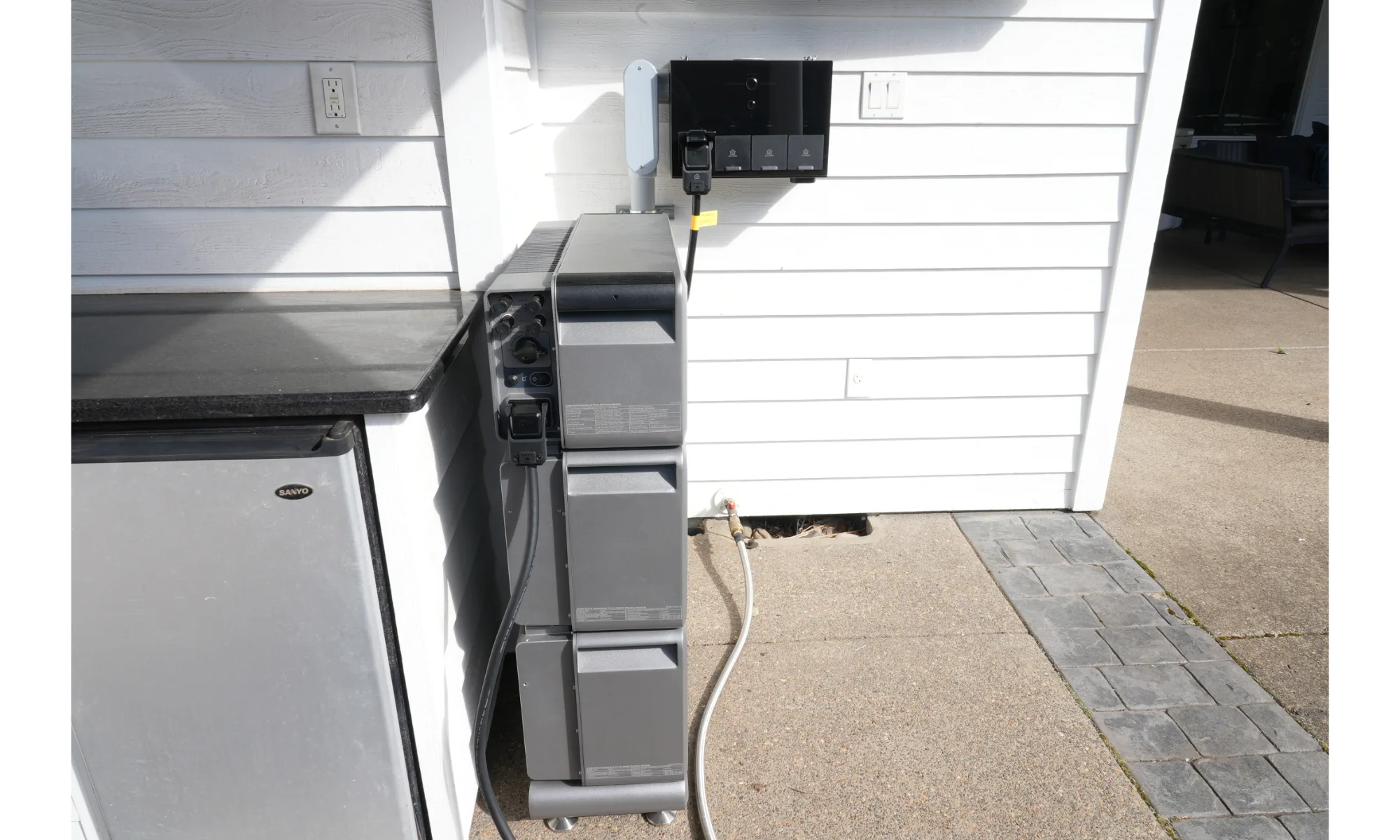
The system centers around the Power Dock, which hooks into your existing electrical panel and manages up to 12 circuits—more if needed. In my case, I kept some circuits free for future additions like office outlets or gate power. I added a power module linked to two battery units, each storing 6,144Wh, totaling roughly 12kWh.
The standout feature is its scalability. You aren’t locked into your initial setup. Need more capacity for a pool or electric vehicle? Add extra batteries. Want to expand the circuit capacity? You can include additional subpanels easily.
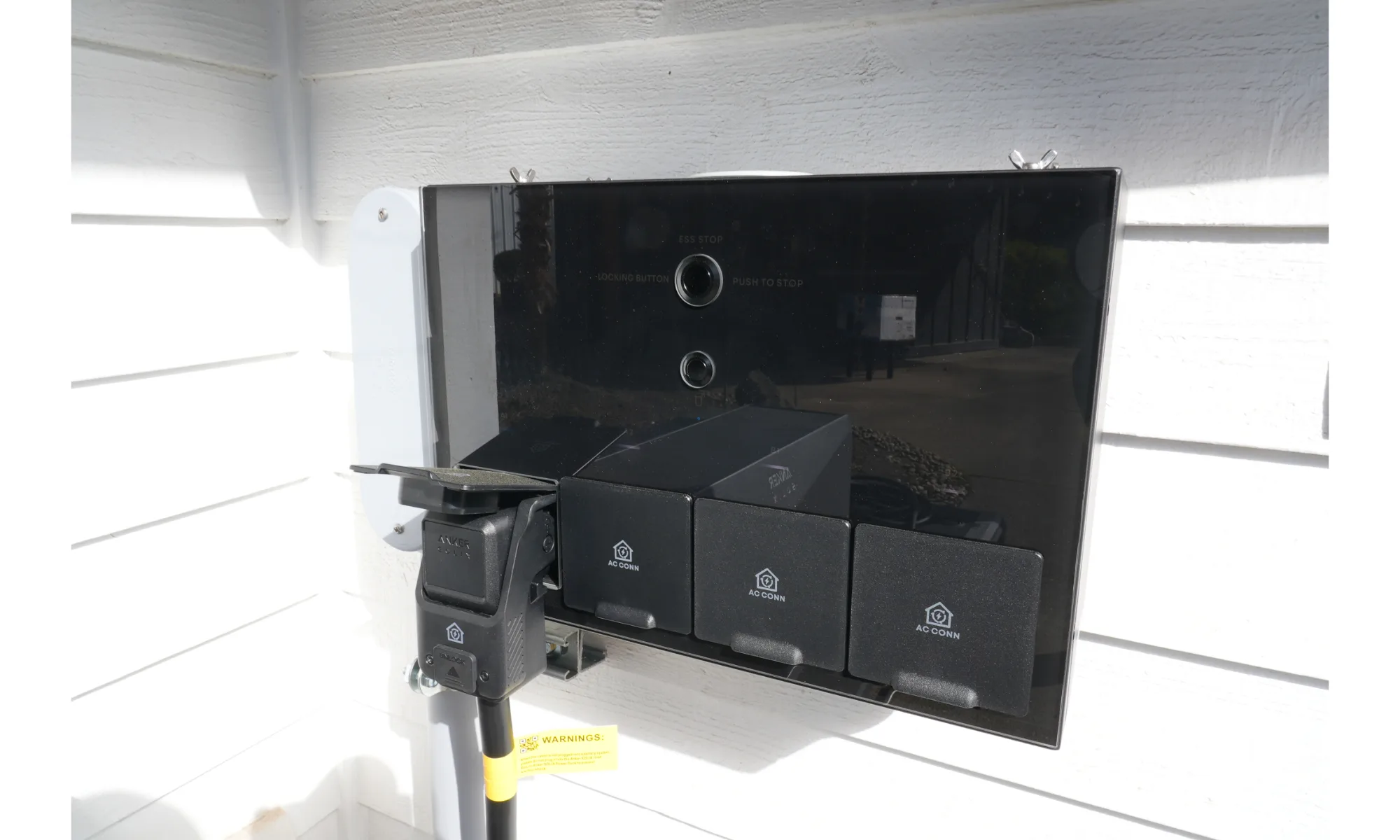
Adding capacity or circuits is straightforward with available expansion options—making it flexible as your needs evolve without costly reconfigurations.
Installation is simple enough for a licensed electrician—no proprietary technicians required. That said, having someone familiar with Anker’s systems can save you time and effort, especially given the technology’s novelty.
I tested the system by manually activating the “Go Off-Grid” mode, mimicking a total power failure. The entire home remained unaffected—no flickering lights, no Wi-Fi disconnect, no reset of clocks. It simply kept working seamlessly.
During the first few weeks, I monitored battery levels, load demands, and charging times via the app. I also deliberately pushed the system with heavy loads like well pumps and multiple appliances to see how it managed the demand and battery drain. Additionally, I tested the system’s resilience when Wi-Fi was disabled, relying solely on Bluetooth within the home, and confirmed remote access through the internet remained functional when available.
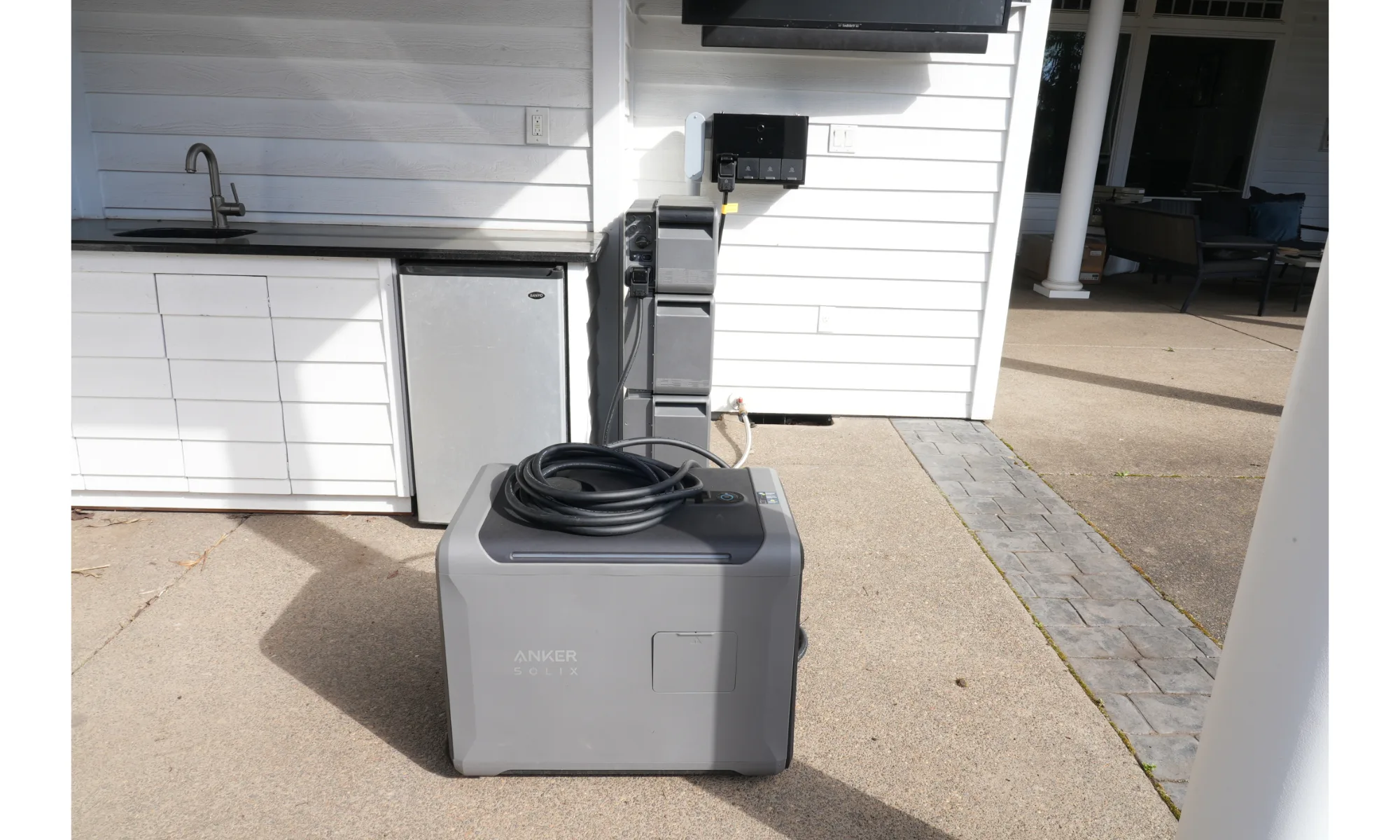
One unexpected discovery was that a power outage of just six minutes went unnoticed in the house—testament to how seamlessly the system handles disruptions, with no drama or noticeable interruptions.
To challenge the hardware, I ran heavy appliances— well pump, water heater, home offices, and filtration systems—simultaneously. Despite this demanding load, the system maintained excellent efficiency, averaging around 46W idle consumption and about 200W from the battery heater in cold weather, which is designed to protect the cells.
Score: 10/10
App & Connectivity: Local Control & Remote Access
The accompanying app offers a clean, intuitive interface. It’s straightforward to see energy flows, configure circuits, set priorities, and control the generator, making system management accessible even for non-technical users.
Although initial setup involves some learning, especially in configuring battery charging schedules within the Energy Usage Mode, the system’s flexibility is impressive. I mainly used the Time-of-Use mode, which allows scheduling to minimize costs—charging at night during off-peak hours—especially useful without solar panels.
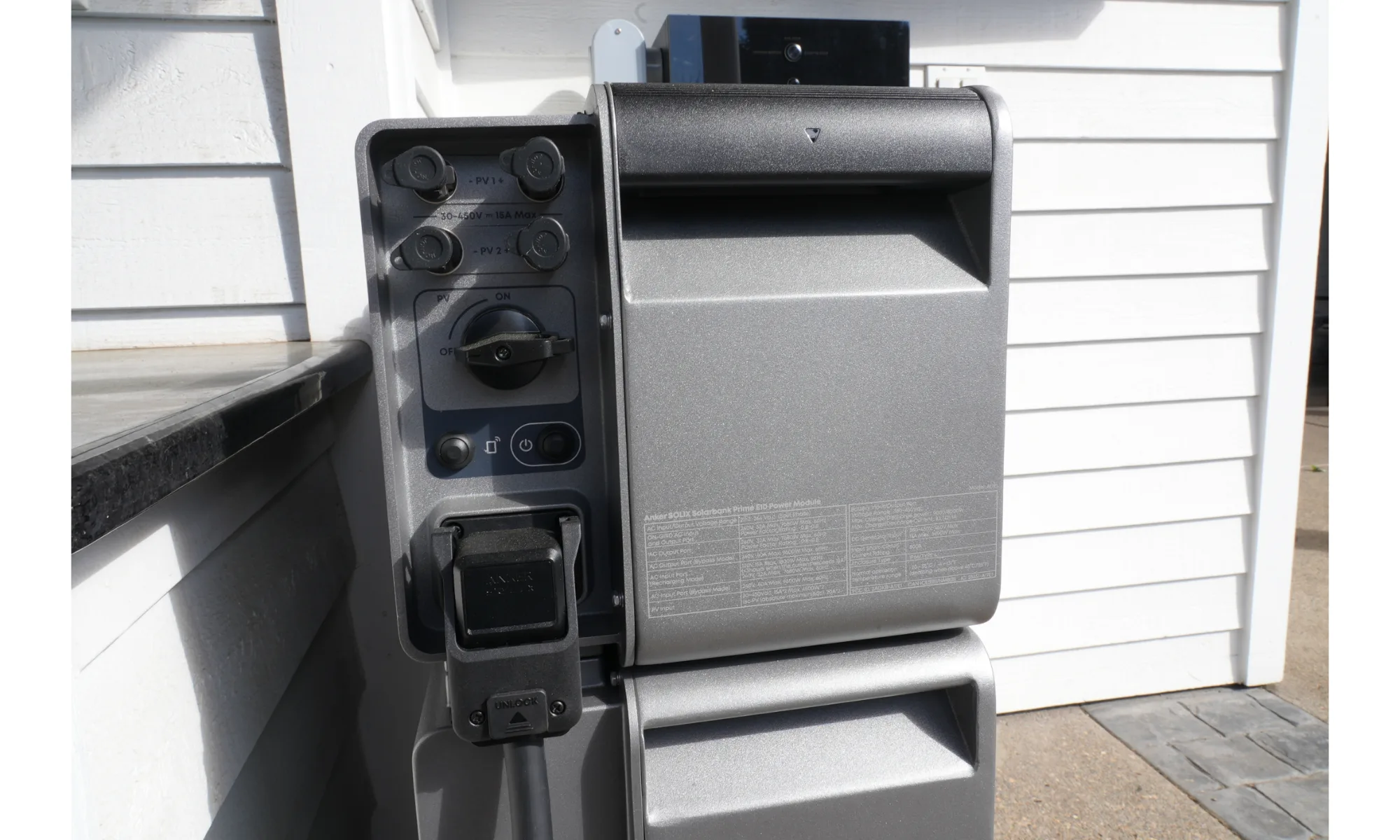
While setup requires Wi-Fi for firmware updates, after that, the system runs independently. Bluetooth control is available within close range, and remote access is possible if your home maintains internet connectivity.
My biggest concern was system functionality during internet outages. I verified that control and monitoring still worked via Bluetooth and that the system continued operation without issues—key for emergency preparedness.
Score: 9/10
Smart Generator 5500: The Versatile Power Extender
Long-term outages exhaust battery reserves. The Smart Generator 5500 adds valuable security. Being a tri-fuel generator—gas, propane, natural gas—it provides essential backup flexibility without locking you into a single fuel source.
The real advantage is its automation: it normally stays off but starts automatically when needed and shuts down when not. It connects directly to the batteries for efficient DC charging, reducing typical energy conversion losses. While it functions as a traditional generator when necessary, its smarter operation makes it feel more like a managed energy device.
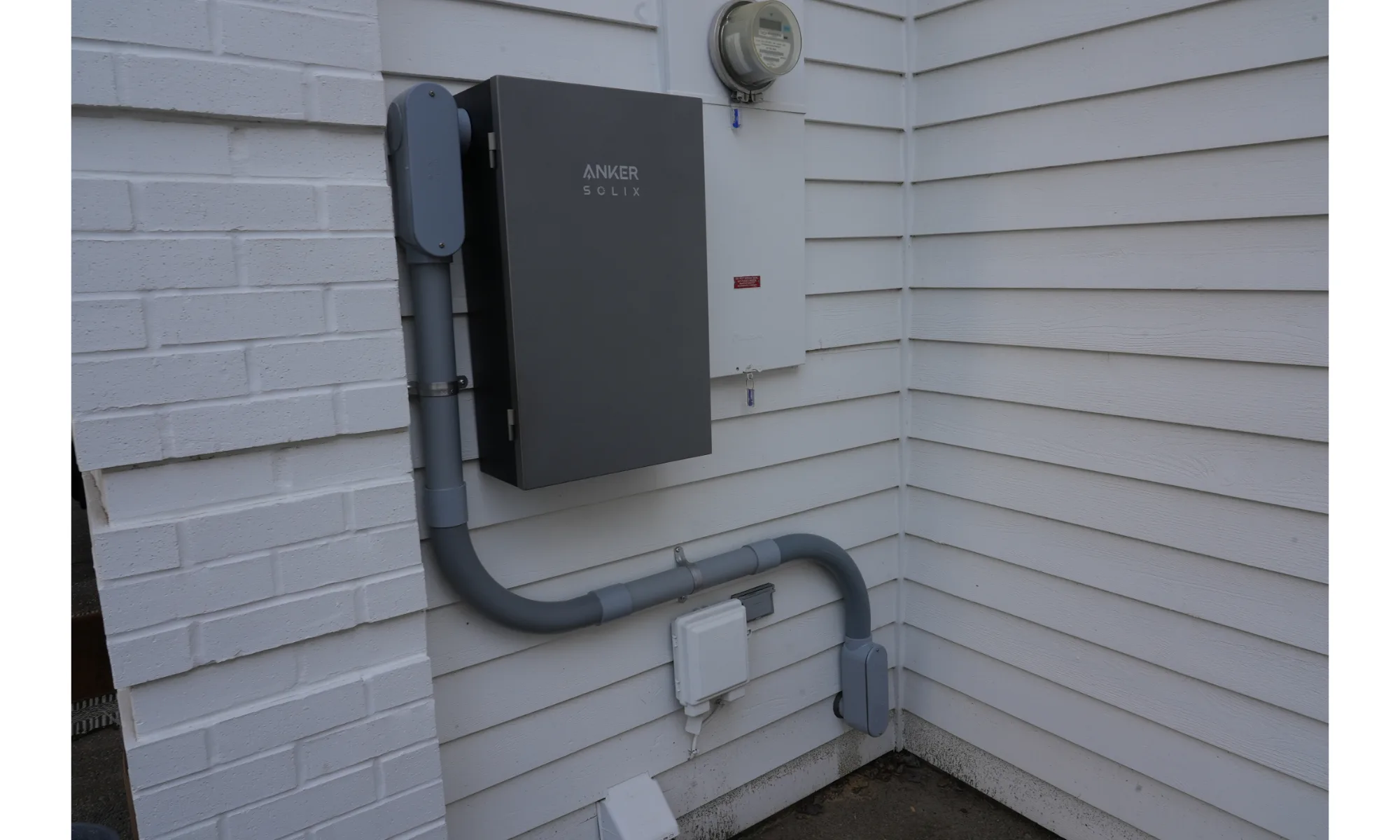
This generator can be configured via the app with different modes, such as Turbo for rapid response during spikes, Eco for fuel efficiency and noise reduction, and Quiet for ultra-low noise operation. Starting remotely from the app is a handy feature—no need to physically go outside to start or stop it, although manual operation remains an option.
Simulated Outage: Hybrid Power Cycle
| Time | Battery Level | Power Source | Demand | Generator Status |
|---|---|---|---|---|
| 8:00 AM | 100% | Battery | High (Well Pump/Furnace) | OFF |
| 2:00 PM | 70% | Battery + Solar | Medium (Offices/Networking) | OFF |
| 7:00 PM | 35% | Battery | High (Water Heater/Fridge) | OFF |
| 10:00 PM | 15% | Generator | Low (Sleep Mode) | ON (Auto Start) |
| 12:00 AM | 85% | Battery | Low | Off (Auto Stop) |
Score: 9.5/10
Build Quality & Warranty
The components are housed in weatherproof NEMA 4 (IP66) enclosures, suitable for outdoor installation across extreme climates. The heavy battery modules lock securely and withstand environmental stresses. Anker offers a 5-year warranty, and the EV-grade LFP batteries are rated for over 3,000 cycles, providing a lifespan of more than a decade.
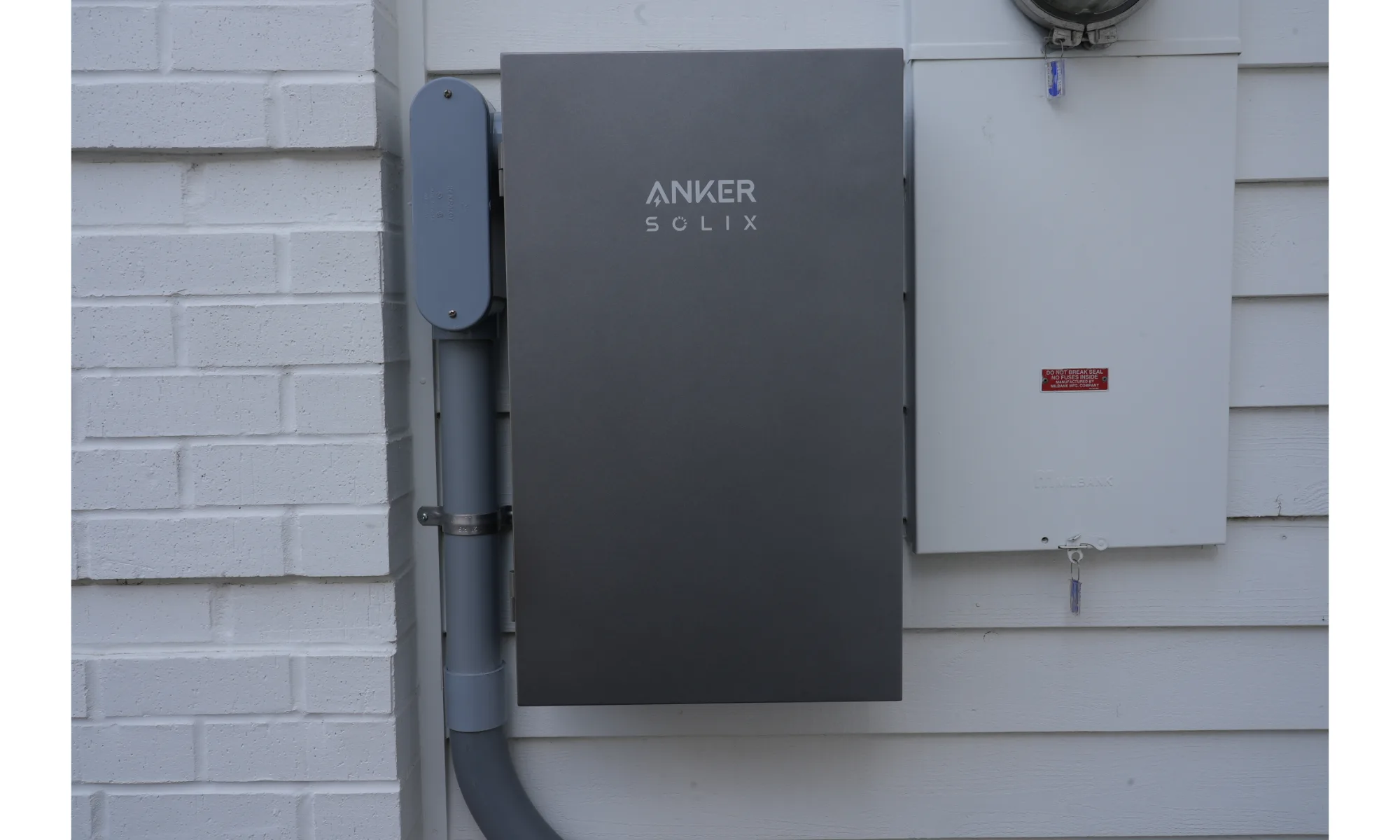
The robust build ensures durability for outdoor use. The 130-pound batteries lock into place securely, and the system’s lifetime is designed to exceed 10 years. Sprinkled with warranty and extensive cycle life, it provides confidence for long-term reliability.
 ChatGPT
 Perplexity
 Gemini AI
 Grok AI