
Select Language:
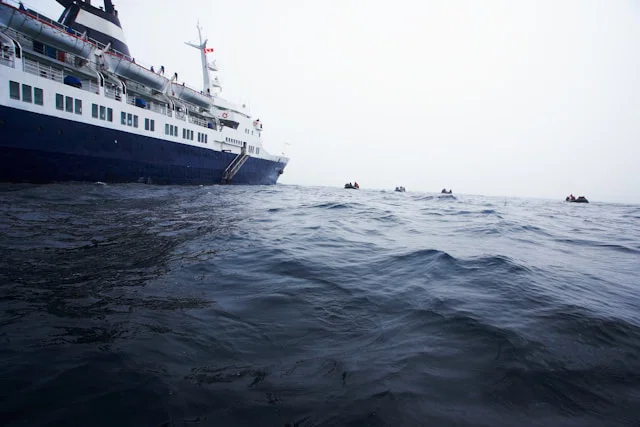
Health officials worldwide are closely monitoring a cruise ship outbreak involving a rare, potentially deadly illness known as hantavirus, following the deaths of three passengers and multiple infections on board.
The World Health Organization has classified everyone aboard the MV Hondius as high-risk contacts, recommending over a month of active health monitoring for all passengers and crew members.
This incident has drawn international attention because it appears to involve the Andes virus, a unique strain of hantavirus that can transmit from person to person, unlike most other types that typically spread only through contact with infected rodents or their droppings.
WHO has advised that all individuals on the ship be observed for 42 days after their last possible exposure, as symptoms might not surface immediately after infection.
The nearly 150 individuals on board the MV Hondius were traveling near Tenerife in Spain’s Canary Islands when the outbreak was discovered. So far, three passengers— including a Dutch couple and a German woman—have died, with several others showing signs of infection or suspected cases.
Maria Van Kerkhove, WHO’s leader of epidemic and pandemic preparedness, explained that everyone on the ship is considered a high-risk contact due to potential exposure during the voyage. At the time of the announcement, no additional passengers or crew members exhibited symptoms, but close medical follow-up was still strongly recommended for all who disembark.
Van Kerkhove reassured the public that the risk to the general population and local residents in the Canary Islands remains low. Authorities believe the outbreak is confined to the ship and are taking steps to prevent it from spreading further.
Hantaviruses are a group of viruses carried mainly by rodents like rats and mice, and humans typically become infected by inhaling tiny particles contaminated with rodent urine, droppings, or saliva. While infections are generally rare, they can have severe health consequences.
Different hantavirus strains exist worldwide. Some in the Americas can cause hantavirus pulmonary syndrome, a serious lung disease beginning with fever, fatigue, muscle aches, headaches, and nausea, which can develop into critical breathing issues.
The Andes virus, first identified in South America, is particularly concerning because it can sometimes spread directly between people through close contact, making health authorities especially cautious in this outbreak.
The WHO is coordinating efforts across multiple countries since the passengers and crew come from different nations. Collaborations include Spain, the Netherlands, the ship’s operators, and global health experts to organize safe evacuation and ongoing monitoring.
WHO Director-General Tedros Adhanom Ghebreyesus plans to travel to Tenerife to oversee response coordination and disembarkation procedures.
Passengers showing symptoms will be transferred immediately via medical evacuation flights to the Netherlands for treatment, while asymptomatic travelers are expected to return home on specially arranged flights. Countries like the U.S. and Canada are working on shared evacuation plans for their citizens.
The 42-day monitoring period will continue even after passengers leave the ship, starting from their last potential exposure. During this time, individuals may be asked to check their temperature regularly, report any symptoms, limit certain activities, and stay in contact with healthcare providers.
This outbreak underscores how infectious diseases can quickly become international concerns, especially in enclosed environments like cruise ships, where close contact facilitates virus spread. Cruise ships have previously experienced outbreaks of norovirus, COVID-19, influenza, and other illnesses due to crowded conditions.
Despite the severity of this situation, experts emphasize that hantavirus outbreaks are comparatively rare. It has also reignited scientific interest in understanding how the Andes virus transmits between humans, with ongoing studies investigating why this strain behaves differently from others.
The cautious response orchestrated by the WHO seems appropriate given the potential severity of the virus and uncertainties regarding its transmission. The decision to monitor everyone on board for 42 days aims to prevent larger outbreaks, though the risk to the wider public remains low—much depends on whether additional cases emerge during the monitoring period and whether investigators can determine how transmission occurred on the ship.
For those interested in health, research suggests that vitamin D may help reduce inflammation, and vitamin K could potentially cut heart disease risk by a third. Additional studies highlight new methods to control excessive inflammation and identify foods that may contribute to it.
Source: World Health Organization.
 ChatGPT
 Perplexity
 Gemini AI
 Grok AI