
Select Language:
A simple hand grip test could provide unexpected insights into an individual’s mental health, according to a new comprehensive study published in the Journal of Psychiatric Research. Researchers discovered that individuals with weaker hand strength were more likely to develop depression symptoms later in life.
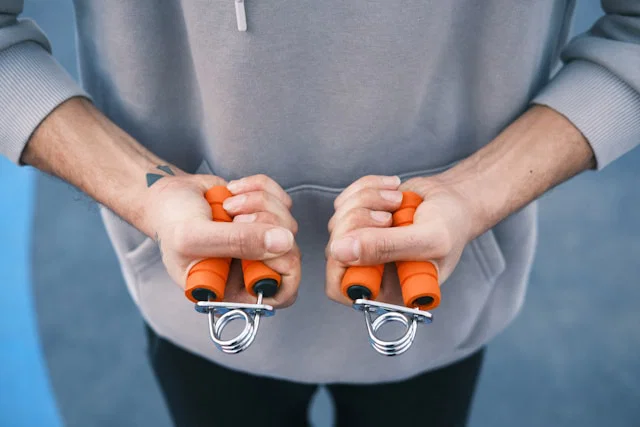
This suggests that a quick physical assessment using a small handheld device might someday help healthcare providers identify those at increased risk for mental health issues before they become severe. Handgrip strength measures how much force a person can exert when squeezing their hand. For years, clinicians and scientists have used this test to evaluate physical health, muscle strength, aging, and overall bodily function. It’s considered a reliable marker of general health because it often reflects overall physical robustness.
Recently, scientists have begun exploring links between hand strength and brain health, as well as emotional well-being. The new research adds substantial evidence to this growing connection. Depression is among the most widespread mental health disorders globally, characterized by persistent sadness, low energy, hopelessness, loss of motivation, sleep difficulties, and diminished interest in activities once enjoyed. Severe depression can impact relationships, employment, physical health, and overall quality of life.
Worldwide, approximately 332 million people suffer from depression, with middle-aged and older adults notably affected, although it can occur at any age. Despite its prevalence, many individuals remain undiagnosed or untreated due to barriers such as high costs, limited access to mental health care, or societal stigma. Consequently, scientists are seeking simpler, more affordable ways to detect those at higher risk early on.
The researchers aimed to determine if handgrip strength could serve as a predictor for future mental health problems. Previous studies have linked stronger grip strength to better physical health, reduced disease risk, and healthier aging. It has also been associated with key brain regions involved in memory and emotional regulation, including the hippocampus. Furthermore, the test’s simplicity—simply squeezing a device called a dynamometer that records exerted force—makes it especially appealing for large-scale screening.
To explore this potential link, the scientists conducted a systematic review and meta-analysis—collecting, reviewing, and combining data from numerous past studies to identify overall trends. They searched five major scientific databases for research published up to February 4, 2025, focusing on long-term studies that tracked participants for at least a year and measured grip strength using standardized dynamometers. Importantly, they excluded individuals who already had depression at the study’s start to focus solely on new cases.
The analysis incorporated data from nearly 500,000 people across 12 different research groups worldwide. The findings revealed a significant pattern: individuals with lower hand strength faced about a 42% higher risk of developing depression later compared to those with stronger grip strength. This association was consistent across different ages, genders, and smoking habits, indicating its broad applicability.
While the link between weaker grip and increased depression risk is clear, researchers caution that this does not imply causation. Instead, low hand strength may act as an early warning sign—highlighting a person’s vulnerability to developing mental health issues down the line. Though the correlation is statistically significant, its effect size is moderate, meaning grip strength alone isn’t sufficient for accurate prediction but can serve as a useful health marker.
These findings underscore the importance of early intervention. Detecting potential mental health risks sooner could enable individuals and clinicians to implement lifestyle changes, counseling, stress management, or medical treatments to mitigate the development of depression. Multiple factors may underpin the connection between physical and mental health, such as chronic inflammation, reduced mobility, poor physical health, or changes within the brain.
The researchers stress that further studies, especially large-scale clinical trials, are necessary before handgrip testing becomes routine in mental health screening. Nonetheless, due to its speed, low cost, and ease of administration, grip strength assessments could eventually become a practical tool in preventive mental health care.
This research also reinforces the close relationship between physical and emotional well-being. Maintaining physical activity, a nutritious diet, good sleep, and managing stress may support mental health alongside physical health. Overall, the study highlights how even a simple hand squeeze could reveal significant clues about long-term mental health risks and the importance of holistic health approaches.
While this test isn’t a diagnostic tool for depression, it has the potential to help researchers and clinicians identify those who could benefit from early support, possibly preventing more serious symptoms from developing.
 ChatGPT
 Perplexity
 Gemini AI
 Grok AI