Select Language:
Stroke ranks among the most critical health issues worldwide. It can strike unexpectedly, often resulting in permanent disability or death. One particularly dangerous form is intracerebral hemorrhage, where bleeding occurs directly into the brain tissue due to a ruptured blood vessel.
This condition is life-threatening, and even survivors face a substantial risk of experiencing another stroke later in life.
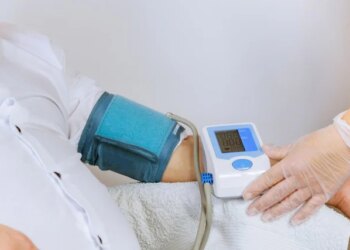
High blood pressure is one of the primary causes of this type of stroke. When blood pressure remains elevated for extended periods, it can weaken blood vessels, increasing the chances of them bursting.
Healthcare professionals have understood for years that lowering blood pressure is the most effective method to prevent a recurrent stroke. Still, maintaining optimal blood pressure control in everyday settings can be challenging.
Many individuals need to take multiple medications to keep their blood pressure in check, which can be confusing and difficult to manage. Sometimes, patients forget doses or fail to adjust medications when necessary, leaving their blood pressure elevated and their stroke risk high.
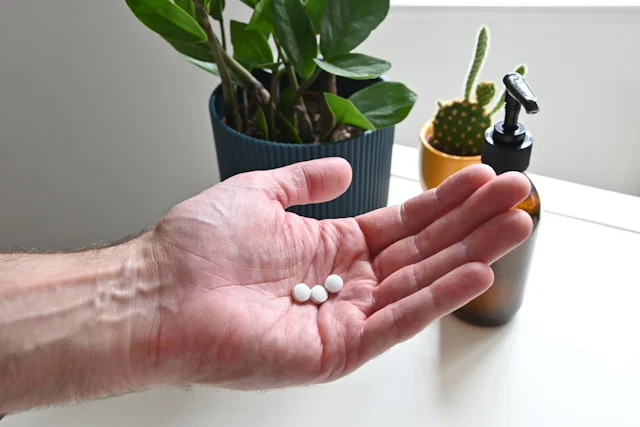
A recent study led by The George Institute for Global Health offers a promising solution. The research examined GMRx2, a medication that combines three different blood pressure medicines into a single pill. This simplifies treatment, requiring only one daily tablet instead of several pills.
Published in The New England Journal of Medicine, the study was part of a large international clinical trial named TRIDENT, involving 1,670 patients who had experienced a brain bleed and still had moderately high blood pressure. Participants received either the GMRx2 combo pill or a placebo, alongside their usual medical treatments.
The results were impressive. Over an average follow-up period of about three years, fewer individuals in the GMRx2 group had a second stroke compared to those given the placebo. In fact, the risk of experiencing another stroke was reduced by 39 percent—a significant decrease that could greatly impact patient outcomes.
The study also indicated that blood pressure was more effectively controlled among those taking GMRx2, with an average systolic reduction of about 9 points compared to the placebo group. This better blood pressure management is likely the reason behind the reduced stroke risk.
Besides lowering stroke incidence, the medication also decreased the likelihood of other serious heart problems, including heart attacks and death related to heart disease. Importantly, the safety profile of GMRx2 was comparable to standard treatments, with no increase in serious side effects.
This is especially relevant since many patients worry about the safety of combining multiple medicines or taking stronger doses. The study suggests that a low-dose, combined pill can be both safe and effective.
This breakthrough is particularly significant for countries where healthcare access is limited. Intracerebral hemorrhages are more common in low- and middle-income nations, where blood pressure control often remains poor. A simple, once-daily pill could make treatment more accessible and improve outcomes for many individuals.
However, some considerations remain. The study focused on a specific stroke type and a certain blood pressure range, so it’s unclear whether the same benefits apply across all stroke patients. Additionally, regulatory approval will be necessary before the medication can become widely available.
Overall, this research highlights how a straightforward treatment strategy can lead to meaningful health improvements. Simplifying blood pressure management with GMRx2 could help lower recurrent stroke rates, ultimately saving lives and enhancing long-term health. It emphasizes the importance of practical, easy-to-follow solutions for patients in their daily routines.
If you’re interested in stroke prevention, consider reading about how diets rich in flavonoids might help reduce stroke risk or how the MIND diet could slow cognitive decline following a stroke.
For additional health insights, look into recent studies on antioxidants that may lower dementia risk and evidence suggesting that tea and coffee consumption could help decrease the risk of stroke and cognitive decline.
Source: The George Institute for Global Health.
 ChatGPT
 Perplexity
 Gemini AI
 Grok AI