Select Language:
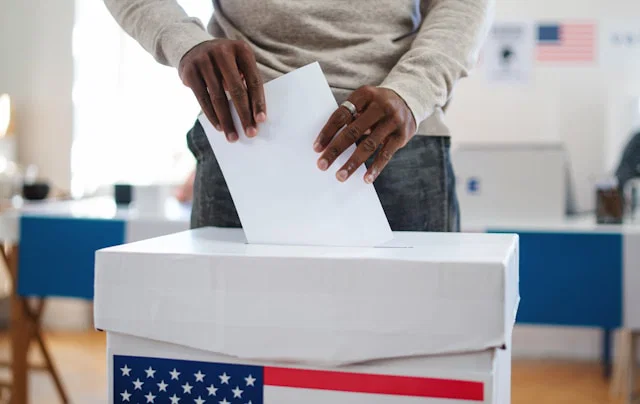
Most people view voting as a civic duty or a way to voice their opinions, rarely connecting it to health or longevity. Yet, emerging research indicates that participating in elections could be associated with a longer life, particularly among older adults. A study conducted by researchers from the University of Pennsylvania in collaboration with Indiana University found that seniors who voted had a reduced risk of death over subsequent years.
This finding adds to a growing body of evidence suggesting that social involvement can positively influence health. While factors like good nutrition, regular exercise, and healthcare access are well-known for extending life, scientists are increasingly examining social and psychological elements. Feeling connected, having a purpose, and engaging in community activities are all linked to better health.
Activities such as volunteering and helping others have already shown benefits for both mental and physical well-being. These actions can combat loneliness and motivate ongoing activity. Voting, despite being a common form of civic engagement, has not been extensively studied in this context until now.
The research, published in The Journals of Gerontology, Series B: Psychological Sciences and Social Sciences, tracked older adults who participated in the 2008 U.S. presidential election. Researchers compared voters and non-voters and followed their health over periods of five, ten, and fifteen years. Results indicated that those who cast ballots had a notably lower chance of dying during those years, an effect that persisted over time and was especially evident among individuals already facing health issues.
To ensure accuracy, the study accounted for numerous variables, including income, education, lifestyle, political preferences, and other social activities. Even after these adjustments, voting continued to correlate with increased survival chances. Interestingly, the relationship was independent of whether a person’s preferred candidate won or lost, and both in-person and alternative voting methods showed similar outcomes.
Several explanations are proposed for this connection. Voting might foster a sense of empowerment and societal participation, which can enhance mental health and reduce stress — factors known to support heart health and immune function. Additionally, voters tend to stay more informed and mentally engaged, which can help keep the mind sharp during aging. A strong sense of community and identity cultivated by voting may also improve emotional well-being.
However, caution is needed in interpreting these results. The study demonstrates a correlation, not causation, meaning other unmeasured factors could influence both voting behavior and longevity. For instance, individuals who vote might be more organized, socially connected, or prone to healthier habits, which could contribute to longer lives. Further research is necessary to clarify these relationships.
Despite these limitations, the findings send an encouraging message: staying socially involved, even through simple acts like voting, may offer long-term health benefits. Promoting civic participation and encouraging older adults to remain active could be valuable components of a healthy aging strategy.
Looking ahead, public health initiatives might incorporate civic engagement as part of holistic approaches to well-being. While voting isn’t a substitute for medical care or healthy living, it could serve as one of many factors contributing to a healthier, longer life.
This research reminds us that health extends beyond diet and exercise; it also involves how we connect with others and participate in society. Even small actions like voting might contribute to better health and increased longevity. For those interested in wellness, exploring how diet — such as reducing ultra-processed foods or increasing seafood intake — influences lifespan remains essential. Additional studies suggest that olive oil might promote longevity, and vitamin D could lower autoimmune disease risks, offering further avenues for supporting healthy aging.
 ChatGPT
 Perplexity
 Gemini AI
 Grok AI