Select Language:
The memory shortage that could delay the PlayStation 6 might persist for up to a decade, according to Pua Khein-Seng, CEO of Phison. His company handles production of various storage devices such as SSDs and flash drives, giving him insight into the supply chain issues.
Although much attention has focused on rising RAM costs driven by large AI orders, other types of memory—like those produced by Phison—are also becoming scarce. In a translated interview, Khein-Seng warned that numerous consumer electronics firms may face bankruptcy due to the ongoing “memory shortage.”
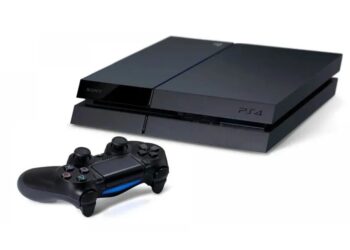
He forecasts that production of smartphones, TVs, and PCs will decline sharply. It’s likely that gaming consoles will be affected too. While Sony claims to have enough components to operate through 2026, the future beyond that looks uncertain. This situation has fueled rumors suggesting the PS6 might not meet its planned 2027 release.
Khein-Seng used Nvidia’s upcoming Rubin AI GPUs as an example, noting that each requires 20TB SSDs. Manufacturing tens of millions of these drives could consume roughly 20% of the global NAND supply in 2025. That would leave other manufacturers, like Sony, competing for the remaining 80%, driving prices even higher.
Most concerning is the prediction that improvements are not expected until 2030, with the shortage potentially lasting another ten years. This implies that even if Sony considers delaying the PS6, supply chain issues may cause delays well beyond any initial assumptions about a reasonable timeline for the next-gen console.
 ChatGPT
 Perplexity
 Gemini AI
 Grok AI