
Select Language:
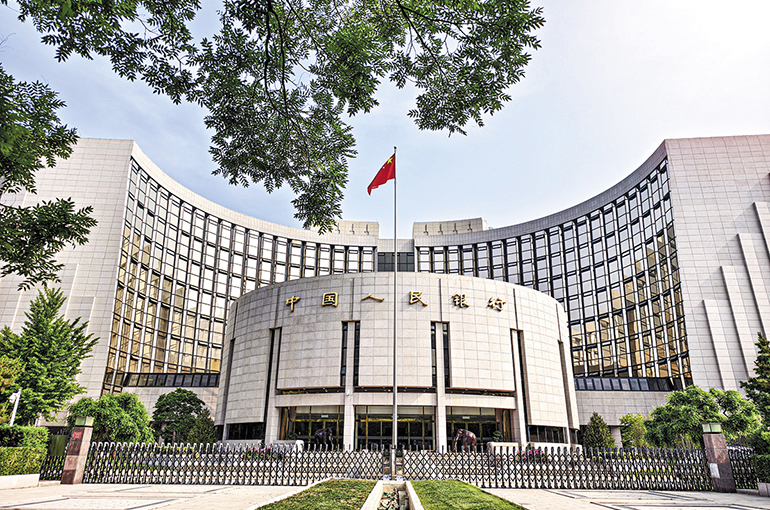
The central bank has resumed injecting liquidity into the banking system this month by adding 100 billion yuan (approximately $14.7 billion) through its medium-term lending facility. This move aims to counteract the pressure on funding conditions caused by rising government bond issues.
Today, the People’s Bank of China conducted a one-year medium-term lending facility operation worth 600 billion yuan via a rate tender process. This action was taken to offset 500 billion yuan of maturing funds and ensure that liquidity remains ample in the banking sector. The decision comes amid an acceleration in government bond issuance and increased pressure from maturing bank certificates of deposit.
This recent step signifies a shift from April, when the central bank reduced its issuance of medium-term loans, resulting in a net withdrawal of 200 billion yuan—breaking a 13-month streak of net injections. Earlier this month, the bank’s three- and six-month reverse repo operations also led to net withdrawals of 500 billion yuan each. Combining these measures, the month saw a total net withdrawal of 900 billion yuan in medium- and long-term liquidity.
The decision to keep liquidity plentiful suggests that the bank’s current policy stance remains oriented toward easing. An economist at Citic Securities explained that the increased government bond issuance, pressure from maturing certificates, and sluggish credit demand all contribute to this easing approach.
The issuance of government bonds appears to be a significant factor behind the bank’s renewed easing efforts. On May 22, China’s finance ministry issued the first tranche of special government bonds for the year designed to bolster capital in financial institutions. Since late April, the issuance of ultra-long special bonds has been ongoing, planned to continue until mid-October.
This year, China intends to issue 1.3 trillion yuan (around $191.7 billion) in ultra-long-term bonds and 300 billion yuan in special bonds to support bank recapitalization efforts. The ultra-long bonds will underpin major national projects and strengthen security in key sectors, while the special bonds will help replenish capital at large state-owned banks.
Given the rising external uncertainties, including the Middle East conflict that has pushed oil prices higher and increased inflation risks, domestic monetary policy will likely prioritize maintaining abundant market liquidity and stabilizing prices, according to a chief economist at Golden Credit Rating International. As a result, the timing of potential interest rate cuts or reserve requirement reductions could be pushed back.
However, if external shocks continue to impact China’s economy—particularly through weakened external demand—there may be room for further monetary easing. The central bank retains significant policy flexibility to respond to such challenges.
 ChatGPT
 Perplexity
 Gemini AI
 Grok AI