Select Language:
Wanglaoji Health Industry is significantly ramping up its efforts to expand into international markets, the Chinese herbal tea company revealed. The company is bolstering its global supply chain through partnerships and strategic collaborations. For instance, the Guangzhou-based firm has entered into a production cooperation agreement with a Malaysian subsidiary of a leading domestic metal packaging enterprise.
The company has established production lines in Malaysia and has signed a global strategic cooperation agreement with a major packaging firm based in Shanghai. Plans are underway to localize production in additional countries where the partner’s factories operate, such as Vietnam and Cambodia.
The Malaysian production line is currently testing operation and is expected to produce around 800 million cans annually. The next phase involves setting up a bottled beverage production line.
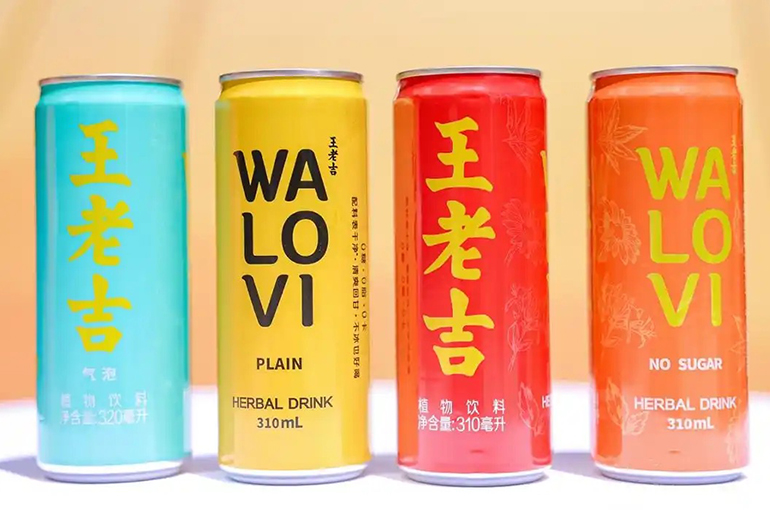
On the same day, the company introduced four new canned products for international markets under a global brand name, to be distributed overseas.
Additionally, a strategic alliance has been formed to enhance supply chain integration, develop new packaging materials, and utilize existing production capacity in Southeast Asia to strengthen market presence in the region.
Looking ahead, strategic product launches are planned across Southeast Asia, North America, Europe, and Oceania. The company has also partnered with several sales channels, including major online platforms and international logistics firms, to expand its reach.
In terms of production strategy, the company is emphasizing localized manufacturing in Southeast Asia. It has completed trial production of its concentrate in Malaysia for local bottling and plans to expand this approach to more Southeast Asian countries.
The U.S. remains the company’s strongest market, followed by regions such as Vietnam, Cambodia, and Myanmar. Over the past decade, the overseas market has grown more than sixfold, with an annual growth rate exceeding 25%.
To make international markets a more substantial part of revenue, efforts are ongoing in product development, brand building, and supply chain optimization.
 ChatGPT
 Perplexity
 Gemini AI
 Grok AI