Select Language:
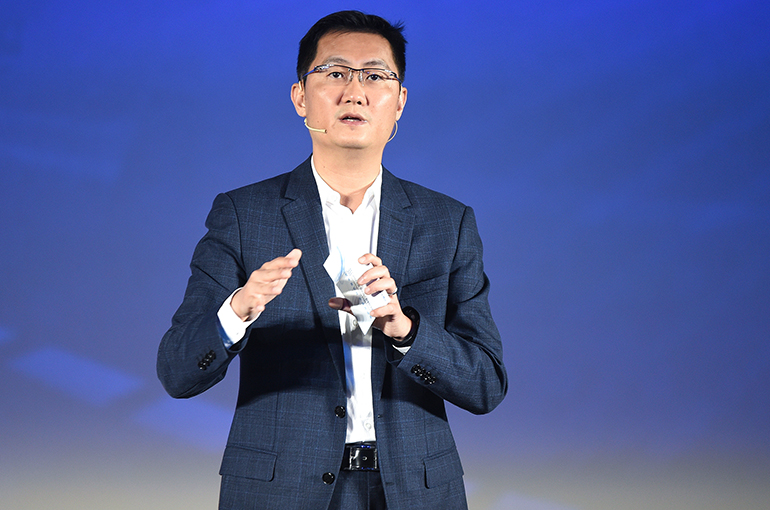
Tencent’s founder, chairman, and CEO recently outlined the company’s artificial intelligence strategy, sharing admiration for Alibaba’s deep integration of its AI assistant into its ecosystem while strongly criticizing ByteDance’s use of Doubao in AI-powered phones.
The company plans to approach large language models and AI products holistically, utilizing cross-functional teams, embedded staff, and collaborative development processes for future organizational and product design, according to statements made during the latest annual employee gathering.
While acknowledging Alibaba’s successful internal coordination with Qwen across its platform, the executive noted that bundling an AI suite may not meet everyone’s preferences.
Regarding Doubao’s integration at the operating system level, which involves overlay methods recording users’ screens and transmitting data to the cloud, the company dismisses this approach as “extremely unsafe and irresponsible,” emphasizing its strong opposition.
Tencent’s WeChat AI integration is progressing at a deliberate pace, opting for a decentralized model where users decide when and where AI features activate, rather than establishing a single, centralized AI hub. The company intends to continue this strategy to balance user needs with privacy and security concerns.
The executive emphasized that WeChat should evolve based on its unique qualities instead of merely mimicking competitors’ features. Despite the large user base, developing AI within WeChat still requires long-term commitment and investment, according to the app’s founder.
Since hiring a new Chief AI Scientist, the company has accelerated recruiting AI-native talent to overhaul its R&D team and enhance collaboration between the Hunyuan large language model and Yuanbao AI assistant. AI remains a core focus area with substantial investment.
Recently, Yuanbao announced a CNY1 billion (approximately USD143.7 million) New Year giveaway campaign.
In other segments, the company confirmed that its cloud business has become profitable at scale, and its gaming division is performing exceptionally well this year. Revenues from overseas gaming exceeded USD10 billion last year, representing over 30% of total gaming revenue, supported by strategic investments, co-development projects, and international expansion of self-developed titles.
The Cloud and Smart Industries Group reported a full recovery, surpassing CNY37 billion (about USD5.3 billion) in revenue last year with gross margins over 30%.
Additionally, management reported an employee turnover rate of 11.4% across junior to senior levels over the past year.
 ChatGPT
 Perplexity
 Gemini AI
 Grok AI