Select Language:
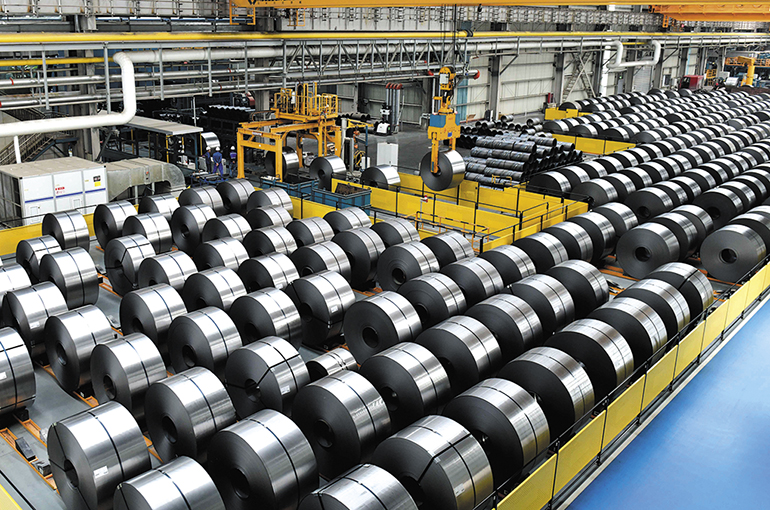
China needs to concentrate on developing a new capacity management framework within the steel industry, emphasizing strict control over crude steel production to reduce internal competition. Establishing clear policies that prohibit new capacity additions, facilitate exit strategies for existing capacity, and eliminate outdated or environmentally harmful equipment is essential. This approach should be supported by a robust, long-term mechanism that encourages companies to self-regulate effectively.
This year marks a critical phase for the steel sector as it advances its strategy of reducing excess capacity, optimizing operations, and enhancing quality. The industry aims to deepen efforts in three key initiatives: improving both the quality and quantity of products, increasing carbon efficiency, and embracing digital and intelligent transformation. Additionally, plans are underway to strengthen capacity governance frameworks, promote joint restructuring, develop iron resources, and expand steel application markets.
Despite these efforts, supply and demand remain unbalanced in China’s steel industry. Last year, crude steel output decreased by 4.4%, totaling approximately 961 million tons, marking the first time in six years that production fell below 1 billion tons. Steel output reached 1.45 billion tons, with apparent consumption dropping 7.1% to 829 million tons.
The industry faces a stark imbalance—marked by high supply levels and subdued demand—raising concerns about a potential “race to produce.” Therefore, coordinated strategies are necessary to manage both supply and demand effectively. On the supply side, this involves halting new capacity, streamlining inventory, and controlling output. On the demand side, efforts should focus on boosting steel consumption by promoting steel structures and encouraging upgrades and replacements of steel materials to maintain a dynamic balance.
Expanding the scope of steel application presents a significant opportunity to address supply-demand disparities. Promoting steel construction, especially through steel-based buildings, is a primary focus area. Supporting these initiatives, industry associations are actively working to foster integrated development within the steel supply chain and encourage innovation, collaboration, and shared progress across the sector.
 ChatGPT
 Perplexity
 Gemini AI
 Grok AI