Select Language:
Suppliers of building materials and furniture in China have been compelled to increase product prices multiple times within a month, despite the sluggishness of the local real estate market. This rise is driven by escalating costs resulting from higher prices of crude oil and other commodities, influenced by ongoing conflicts in the Middle East.
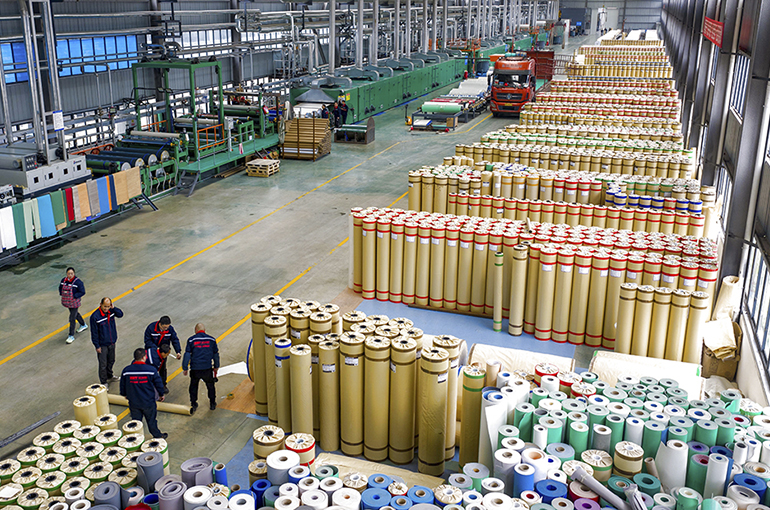
Recently, a major waterproofing materials company informed its clients and partners that it would implement price hikes ranging from 3 to 8 percent starting April 30. This follows previous increases of 8 to 12 percent at the end of the previous month. Additionally, asphalt-based waterproofing products saw a price increase of 5 to 10 percent in mid-March.
The primary reason for the latest price adjustments is the sharp increase in raw material prices, primarily driven by the sustained rise in global crude oil prices. For instance, asphalt has surged by 53 percent over the past year, acrylic emulsion by 47 percent, and epoxy resin by 30 percent. Asphalt, a key component in waterproofing products, heavily depends on the international oil market, and in China, its price recently exceeded CNY4,528 (USD663.63) per ton—up 31 percent since early March and 23 percent compared to the same period last year, according to industry data.
Another company in Fujian Province also announced a price increase for interior and exterior wall coatings, decorative paints, and related products, with hikes ranging from 3 to 25 percent starting May 1. Last month, it already raised prices of wall latex paints by 5 to 15 percent and art paints by 5 to 10 percent.
The company indicated that ongoing fluctuations in raw material costs are likely to necessitate further price adjustments due to prevailing market uncertainties. Similarly, cement suppliers across Northeast, East, and Southwest China have increased prices by approximately CNY10 to CNY100 (USD1.46 to USD14.63) per ton since mid-April.
The furniture industry is also feeling the impact. The Guangdong Province-based Shunde Furniture Association recently noted that “due to the volatile international situation, overall industry costs have increased significantly,” leading to expected price hikes in finished furniture. Shunde is home to the world’s largest furniture market, with Lecong Furniture Mall hosting over 3,400 vendors offering more than 20,000 furniture varieties.
A local industry practitioner explained to a news outlet that rising costs of raw materials such as sponge, wood, and hardware are putting intense pressure on pricing strategies. However, if the real estate market’s revival continues to fall short of expectations, the scope for raising furniture prices will remain limited. Some suppliers may face the dual challenge of constrained pricing power and thin profit margins.
 ChatGPT
 Perplexity
 Gemini AI
 Grok AI