Select Language:
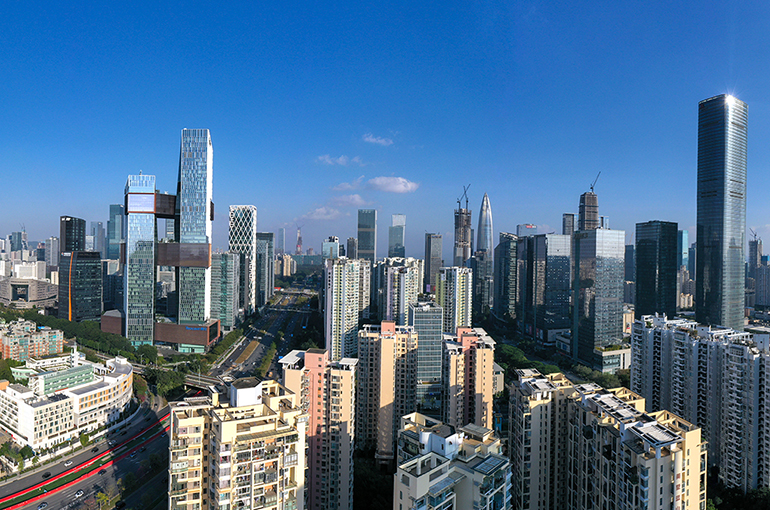
Shenzhen’s rapidly expanding artificial intelligence industry has significantly boosted demand for office space, with the tech, media, and telecommunications sectors now making up nearly one-third of the city’s total leasing area.
“The strong momentum of innovative growth driven by the AI sector is expected to become one of the primary sources of additional demand in the city’s office market,” said a research vice president specializing in southern and central China markets.
Over the past three years, the demand from TMT (technology, media, and telecom) companies for rental properties has steadily grown, increasing from 19% of the total leasing share in 2023 to 30% today—the fastest growth rate among China’s four top-tier cities.
The AI industry in Shenzhen is now valued at more than CNY 360 billion (approximately USD 51.5 billion), accounting for nearly 40% of the total in Guangdong Province. The city hosts over 2,800 AI-related enterprises, ranking it among the leading AI hubs nationwide.
This surge in demand from AI companies is fueled by the expansion of major corporations, rapid growth of small and medium-sized businesses, and the flexible office needs of startups, according to industry experts.
“Continuous advancements in hardware, software, and industry-specific applications in AI are sparking a constant flow of innovative solutions,” they added.
A significant portion of office leasing demand linked to AI comes from startups and SMEs, reflecting the city’s vibrant innovation ecosystem, the experts noted. AI-related firms account for 5.7% of all office leases and 4.6% of Grade-A office space by area, with both metrics reaching 6.5% when measured by the number of leases.
This trend shows no signs of slowing, as local government plans aim to nurture over 1,000 high-growth AI startups by the end of next year.
The office leasing activity, especially in Grade A spaces, has resulted in a high net absorption rate—an indicator of space being taken up—reaching 664,000 square meters in 2025, the highest since 2021 and 17% above the five-year average, according to local real estate data providers.
 ChatGPT
 Perplexity
 Gemini AI
 Grok AI