Select Language:
Apple experienced a historic surge in iPhone sales in China during the latest quarter, marking a significant turnaround after a prolonged 18-month decline. CEO Tim Cook emphasized that this growth was a major contributor to the company’s record-breaking financial results for the period. The increase was driven by both loyal customers upgrading to newer models and a wave of switchers from Android devices.
Cook highlighted that in Greater China, revenue soared by 38% compared to the previous year, setting new records for iPhone sales. Store traffic in China also grew notably, with strong double-digit percentage increases year-over-year. The company’s installed user base reached unprecedented levels in both Greater China and Mainland China, and the quarter saw the highest number of upgrades and switchers in history. A survey from Worldpanel confirmed that iPhones ranked among the top three smartphones in urban Chinese markets during this period.
This revival followed a period of sales decline, which was attributed to intense competition from locally launched, increasingly sophisticated smartphones. Experts from Wired identified three key factors behind this comeback.
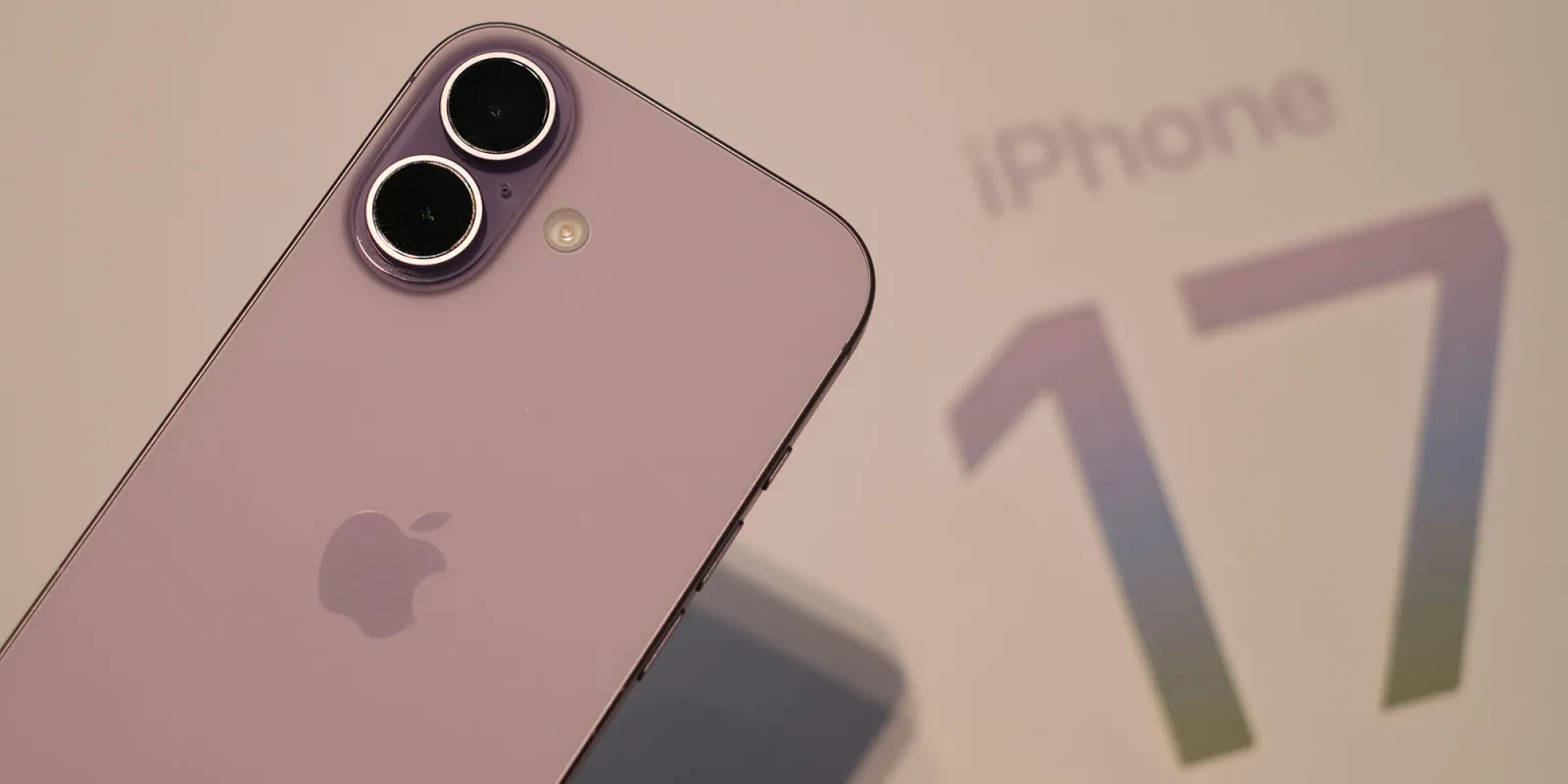
Firstly, the base model iPhone 17 offered exceptional value for money, making it a popular choice despite being the more affordable option in the lineup. This model distinguished itself by providing features usually reserved for higher-end versions, such as an always-on display with ProMotion technology, an 18MP front camera with Center Stage, and a 48MP Ultra Wide camera on the back. These features made it highly competitive, blurring the lines between the standard and Pro models.
Gerrit Schneemann from Counterpoint explained that the improvements in the iPhone 17 represented a more substantial upgrade from the previous generation than usual, encouraging early upgrades among consumers. Additionally, in 2025, Beijing’s government spent approximately $43 billion on subsidies for domestic electronics, appliances, and vehicles, which significantly lowered the effective price of smartphones. Smartphones priced under 6,000 RMB ($860) received discounts of up to 15%, and with the iPhone 17 listed at 5,999 RMB, it was an attractive option for price-sensitive buyers benefiting from government incentives.
Overall, these strategies and market conditions contributed to Apple’s remarkable rebound in China, culminating in a record-breaking quarter for iPhone sales in the region.
 ChatGPT
 Perplexity
 Gemini AI
 Grok AI