Select Language:
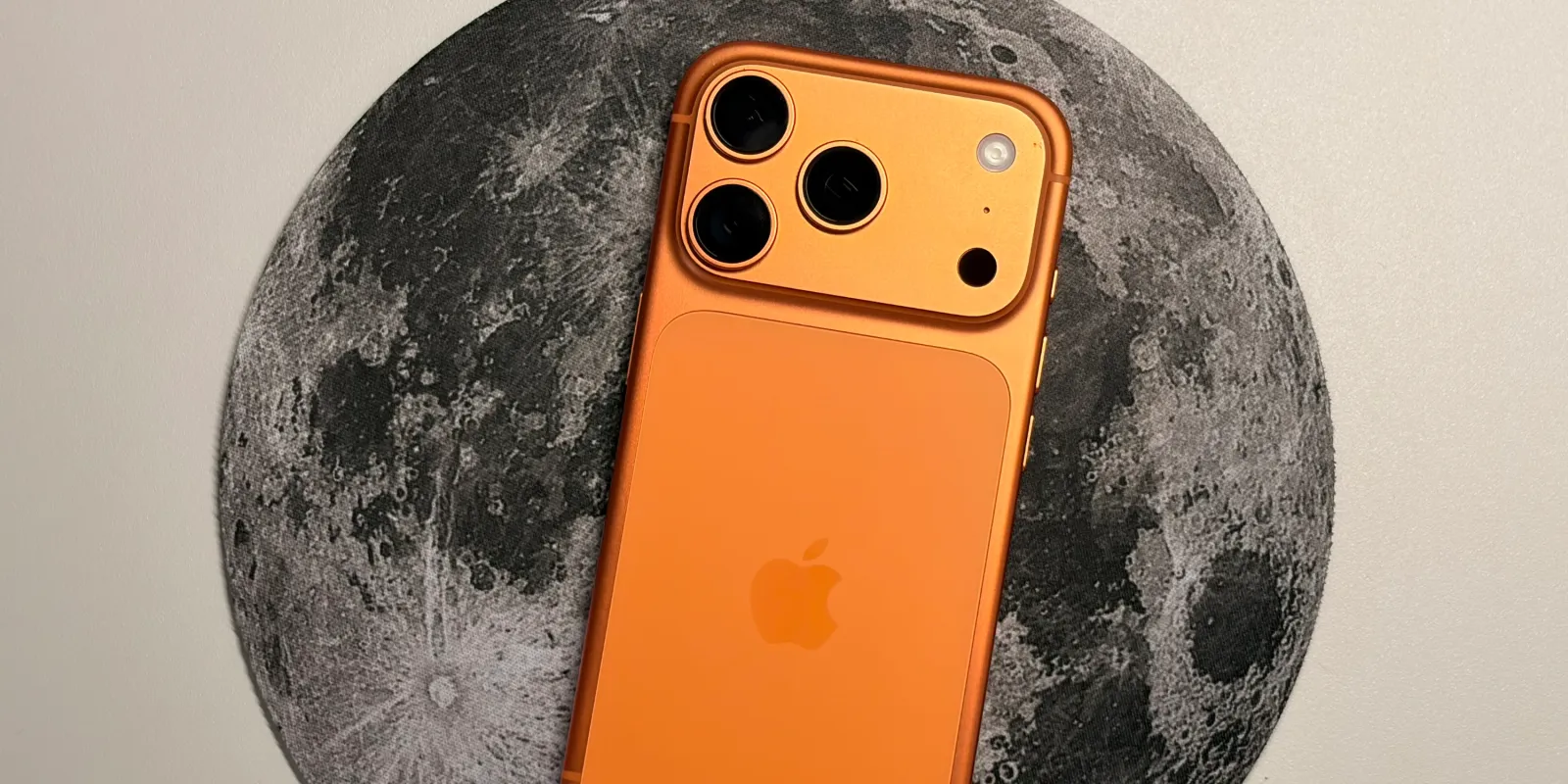
Apple’s iPhone 17 Pro presents a notable upgrade over the more delicate iPhone 16 Pro. The incorporation of a vapor chamber and the shift from titanium to aluminum significantly enhances sustained performance and thermal regulation. Yet, one of the most exciting hardware advancements isn’t exclusive to the Pro lineup.
Ceramic Shield’s Durability and Scratches
While I genuinely appreciate the improved cooling system in both the iPhone 17 Pro and Pro Max, my primary concern was always the display’s susceptibility to scratches. On my previous models, subtle scratches would accumulate over time, becoming especially noticeable under indoor lighting or when the screen was off. This issue seemed to be the motivation behind the development of the always-on display feature.
The screen surface would endure fine scratches from everyday use, but the most frustrating were the rare, deep scratches that almost penetrated the glass. My satisfaction with my device decreased the moment these deep cuts appeared. The root of this problem, I believe, lies in the Ceramic Shield coating. Apple designed it to be more drop-resistant, resulting in fewer cracked screens after accidental drops. However, this durability came at the cost of a slightly softer glass that showed more scratches, impacting the device’s resale value over time.
Ceramic Shield 2: A Notable Improvement
Apple continues to employ the original Ceramic Shield on the back of the iPhone 17 Pro and iPhone Air, which is a significant step forward since back glass shattering is a common concern. Notably, I haven’t encountered scratching on the back glass of the newer models, probably because there’s less glass on the back of the Pro series this year. Since the back isn’t as visible or integral to viewing through like the front display, scratches there aren’t as troubling.
I admit, I’m cautious about branding Ceramic Shield 2 as a complete success just yet. I’ll be more vigilant about potential scratches during the initial months. If the improved glass prevents deep scratches for over six months—a notable extension compared to my previous experience—that would be a substantial win. If that longer durability holds, it might be time to consider going without a screen protector altogether.
My Verdict and Future Expectations
In the coming months, I might advise those with existing screen protectors to consider testing life without them. For now, it’s clear that Apple has made impressive strides in strengthening the front glass across all models—from the affordable options to the most premium devices. How has your experience with Ceramic Shield 2 been so far? Share your thoughts in the comments!
 ChatGPT
 Perplexity
 Gemini AI
 Grok AI