Select Language:
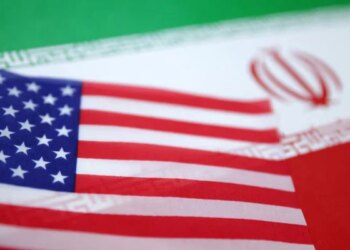
Iran and the United States have been presented with a plan devised by Pakistan to potentially end hostilities, with the possibility of taking effect soon and reopening the Strait of Hormuz, according to a source familiar with the negotiations.
A framework aimed at stopping the conflict was compiled by Pakistan and shared overnight with both Iran and the U.S., proposing a two-phase process involving an immediate ceasefire followed by comprehensive agreement negotiations.
“All parts of the plan need to be finalized today,” the source indicated, noting an initial understanding would be formalized as a memorandum of understanding and completed electronically through Pakistan, which is the main communication channel for these talks.
Axios initially reported on Sunday that Pakistan, along with other regional mediators, was actively working to broker a 45-day ceasefire between Iran and the U.S., which could lead to a permanent resolution of the conflict.
The source told Reuters that Pakistan’s Army Chief of Staff, Field Marshal Asim Munir, has been in continuous contact throughout the night with U.S. Vice President JD Vance, special envoy Steve Witkoff, and Iranian Foreign Minister Abbas Araqchi.
The proposed plan involves an immediate ceasefire, reopening of the Strait of Hormuz, and a 15–20 day window to finalize a broader settlement. This deal, tentatively called the “Islamabad Accord,” would include a regional framework for the strait, with in-person talks in Islamabad to finalize details.
Meanwhile, a senior Iranian official told Reuters that Tehran has received Pakistan’s proposals for an immediate ceasefire and is currently reviewing them. The official added that Tehran does not accept pressure to meet specific deadlines or to make hasty decisions. Iran has stated that it will not reopen the Strait of Hormuz solely for a temporary ceasefire, asserting that Washington does not seem prepared for a permanent peace agreement.
Iranian officials have previously conveyed to Reuters that they seek a permanent ceasefire with guarantees they will not be attacked again by the U.S. or Israel. Iran reports having received messages from mediators including Pakistan, Turkey, and Egypt.
The final agreement is expected to include Iranian commitments to refrain from pursuing nuclear weapons, exchange for sanctions relief and the release of assets currently frozen.
Despite increased diplomatic outreach, some Pakistani sources say Iran has yet to fully commit to the proposals. One source noted, “Iran has not responded yet,” and added that proposals supported by Pakistan, China, and the U.S. for a temporary ceasefire have yet to be met with a firm commitment.
There was no immediate comment from Chinese officials regarding the situation.
This diplomatic effort occurs amid rising tensions that threaten to disrupt shipping through the Strait of Hormuz—a vital route for global oil supplies. U.S. President Donald Trump has recently urged a swift resolution, warning of consequences if a ceasefire isn’t achieved quickly.
The escalating conflict has also caused market volatility in energy commodities, with traders closely monitoring any developments that could influence oil flows through this critical passage.
 ChatGPT
 Perplexity
 Gemini AI
 Grok AI