Select Language:
Macau’s distinctive geographical position and development history have established it as more than just a bridge connecting China with international markets; it is also a vibrant hub for cultural exchange and integration between China and other countries. Participants highlighted this at a themed gathering focused on these themes.
As a global tourism and leisure destination, as well as a platform fostering trade cooperation with Portuguese-speaking nations, Macau has capitalized on its openness and its integration within the Guangdong-Hong Kong-Macao Greater Bay Area to develop an open economy centered on international engagement, according to Wei Tao, founder and chairman of the Greater Bay Area Contemporary Art Promotion Association, during a recent cultural event.
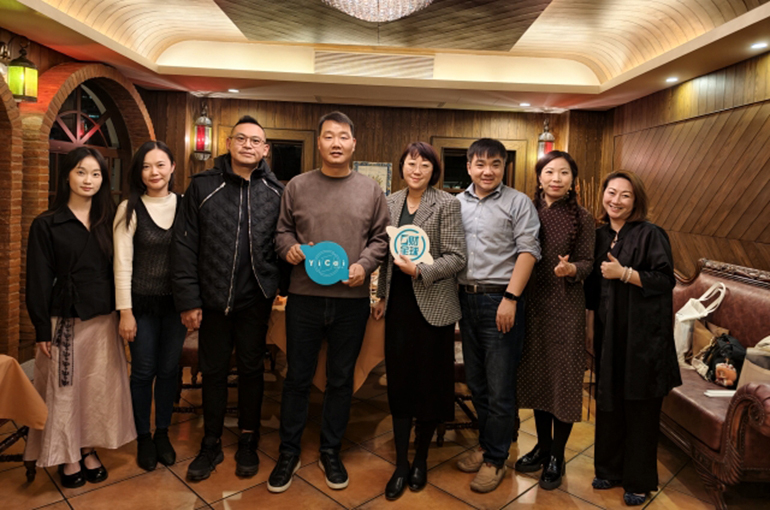
This series of cultural exchanges was launched to bolster Chinese enterprises venturing abroad. The latest event marked the second gathering in this series and was organized in partnership with the Greater Bay Area Contemporary Art Promotion Association and the Faculty of Humanities and Social Sciences at a prominent university in Hong Kong.
The increased openness in finance and commerce has broadened opportunities for the arts. The association plans to combine its expertise in artist and curatorial resources with educational institutions to foster more international artist exchanges in Macau, positioning the city as a significant cultural gateway, Wei explained.
Located on the southwest edge of the Pearl River Estuary, Macau has historically served as a maritime entry point for the Pearl River Basin. It also played a key role as a hub on the Maritime Silk Road linking Guangzhou with Southeast Asia and the Indian Ocean, noted Dr. Chen Jianing from a university in Hong Kong.
Macau is more than a commercial transit point; it is a melting pot of diverse cultures. Its historical significance goes beyond trade, serving as enduring evidence of China’s tradition of openness and inclusivity, Chen emphasized.
The city’s cultural landscape exemplifies this blend, said Jun Zilan, a graduate student specializing in Fine Arts at a local university. For example, the iconic Ruins of St. Paul’s, a Western architectural landmark, stands beside the Temple of Na Tcha, showcasing traditional Chinese culture. This mix of Eastern and Western elements provides rich inspiration for cross-cultural artistic exploration, she added.
The development of the Guangdong-Hong Kong-Macao Greater Bay Area is a vital part of China’s strategy to promote high-quality growth, deepen reforms, open up further, and boost global competitiveness. Within this framework, enhanced connectivity in the area is creating new opportunities for residents of Hong Kong and Macau.
Preparations are underway for the upcoming edition of the Greater Bay Area Young Artists Scheme, expected to launch next year alongside a celebration marking the 10th anniversary of a prominent English-language media initiative in Macau. This program aims to showcase China’s story from both business and cultural viewpoints, Wei shared.
 ChatGPT
 Perplexity
 Gemini AI
 Grok AI