Select Language:
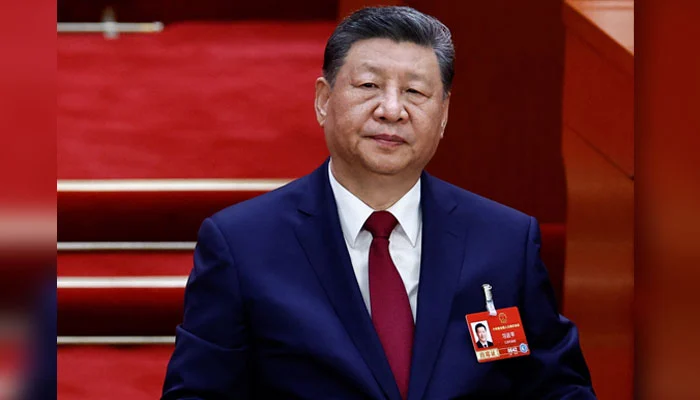
Chinese President Xi Jinping has called for faster development and planning of a new energy system to ensure the country’s energy security, especially amid recent global energy shocks triggered by the ongoing Iran conflict. During a session at the Great Hall of the People in Beijing on March 12, 2026, Xi emphasized the importance of expanding hydroelectric power and protecting ecological diversity, while also advocating for a safe and systematic increase in nuclear energy.
He stated that the Party Central Committee has a clear grasp of global energy trends and has made significant decisions to deepen the new energy security strategy, reflecting China’s proactive approach. Though Xi didn’t explicitly mention the ongoing war, the geopolitical tensions involving the U.S. and Iran remain critical, with regional diplomacy trying to broker peace and control the Strait of Hormuz, a vital maritime route.
Regarding energy sources, analysts note that China is better positioned to handle rising oil prices due to its substantial coal reserves, which comprise over half of its energy supply. Its oil imports through the Strait of Hormuz account for roughly 5% of total consumption. Xi highlighted that, despite pioneering wind and solar energy, coal remains foundational for China’s energy infrastructure and will continue to support the system. As the world’s largest coal consumer and a leading carbon emitter, China remains committed to low-carbon growth, aiming to develop a greener, more diversified, and resilient energy network that supports economic stability and progress.
Recent projects include the construction of the world’s largest hydropower dam on the Tibetan Plateau’s eastern edge. Additionally, China General Nuclear Power Group has started building a solar thermal plant at an altitude of 4,550 meters in Tibet, marking significant steps toward sustainable energy development.
 ChatGPT
 Perplexity
 Gemini AI
 Grok AI