Select Language:
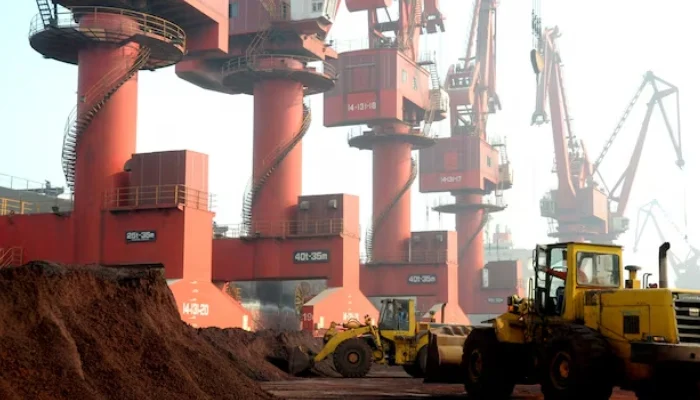
The recent World Economic Forum (WEF) annual risk survey highlights a shift in global concerns, placing economic confrontation at the top, surpassing armed conflict among the worries of over 1,300 experts worldwide. This shift reflects growing tensions driven by rising tariffs, restrictions on foreign investments, and tighter control over critical resources like minerals. Saadia Zahidi, WEF managing director, described this trend as “geoeconomic confrontation,” where economic policies are increasingly weaponized rather than used for cooperation.
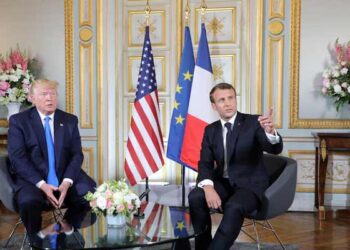
U.S. President Donald Trump’s “America First” approach has significantly elevated trade tariffs and contributed to tensions with China, which leads in critical mineral supplies and is the world’s second-largest economy. Perceived weather-related threats, such as extreme weather events, dropped in concern ranking from second to fourth, with pollution concerns falling from sixth to ninth. Fears about drastic changes to Earth’s systems and biodiversity loss also declined in the short term. However, when considering a longer-term outlook of ten years, these environmental issues resurface as top concerns for many respondents.
Anxieties surrounding artificial intelligence (AI) pose a different picture, with worries about its adverse impacts ranking 30th over the next two years but rising to fifth over a decade, illustrating increased concern about potential long-term risks. Zahidi explained that most worries focus on how weak governance over AI could threaten jobs, societal stability, and mental health, while also being exploited as a weapon in conflicts.
The survey’s insights are drawn from a broad cross-section of global leaders and specialists from academia, business, government, international organizations, and civil society, capturing a comprehensive snapshot of current and future risks.
 ChatGPT
 Perplexity
 Gemini AI
 Grok AI