Select Language:
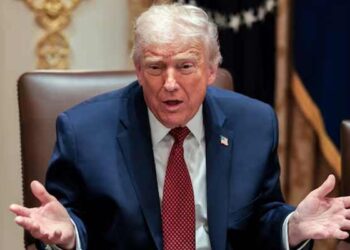
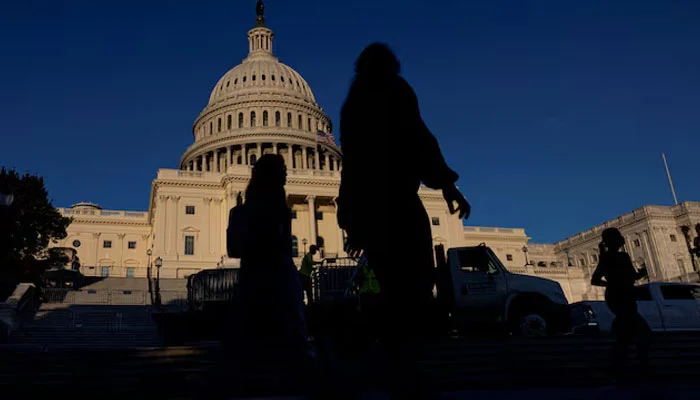
The U.S. Senate approved a resolution on Thursday that would prevent President Donald Trump from initiating any further military operations against Venezuela without congressional approval, marking a rare rebuke of the Republican leader. The procedural vote to advance the war powers resolution ended with 52 in favor and 47 against, with five Republicans supporting and one senator abstaining. Notably, every Democrat voted for the measure, illustrating bipartisan concern.
This move comes just days after U.S. forces conducted a dramatic military raid in Caracas on Saturday, resulting in the capture of Venezuelan President Nicolas Maduro. The Senate’s rejection of Trump’s policies reflects a significant shift, especially after top cabinet members briefed Congress on U.S. Venezuela strategy the day before. However, turning this resolution into law faces significant obstacles, including approval from the Republican-controlled House and the need for two-thirds majorities in both chambers to override a likely veto from Trump.
Previous efforts to pass similar resolutions last year failed narrowly, with the last veto-blocking vote tallying 51-49, shortly after Trump officials indicated there would be no attempts to change the Venezuelan government or carry out strikes within its territory. Following Maduro’s arrest, some lawmakers criticized the administration for potentially misleading Congress. The event and Trump’s rhetoric have also sparked fears of expanded military actions, including possible interventions in Greenland, Colombia, Cuba, or Iran.
Next week, the Senate is expected to debate and vote on the final passage of the resolution.
Senator Rand Paul, a Kentucky Republican and co-sponsor of the measure, indicated that some of his colleagues were considering supporting it, despite general Republican opposition. He mentioned that at least two Republicans were contemplating it, and some have expressed concerns publicly. After the vote, Democrat Tim Kaine called it a “big victory,” emphasizing the importance of congressional authority in matters of war—warning against presidents taking military action without proper consultation or approval.
The five Republican senators who supported moving forward were Paul, Susan Collins (ME), Josh Hawley (MO), Lisa Murkowski (AK), and Todd Young (IN). Trump responded strongly, suggesting that these lawmakers should not hold office again, criticizing them for siding with Democrats and attempting to diminish presidential war powers, according to posts on his Truth Social platform.
Supporters of the resolution acknowledge the challenges ahead but suggest many Republicans are wary of an extended, costly intervention in Venezuela, especially given the country’s ongoing economic struggles and the U.S. budget deficit. Trump recently called publicly for a significant increase in defense spending to $1.5 trillion—up from $1 trillion.
Senator Chuck Schumer (D-NY), Senate Minority Leader, pointed out that the U.S. has conducted ongoing strikes against Venezuelan boats and that Trump has publicly indicated the U.S. would remain involved in Venezuela for over a year. He criticized what he called an “endless war,” emphasizing the lack of congressional authorization or clear plan for such a long-term commitment.
Opponents argued that Maduro’s seizure was a law enforcement matter rather than a military operation, with Maduro currently facing trial in U.S. courts on drug and weapons charges, to which he has pleaded not guilty. They also maintained that Trump, as commander-in-chief, has the constitutional right to undertake limited military actions when deemed necessary.
Senator Jim Risch (R-ID), chair of the Foreign Relations Committee, dismissed the resolution as ineffective and largely symbolic, asserting it couldn’t prevent ongoing or planned military actions that are not currently happening. Subsequently, multiple scripts and embedded media from various platforms are set to load dynamically, including social media embeds and third-party content, to support ongoing coverage and engagement efforts.
 ChatGPT
 Perplexity
 Gemini AI
 Grok AI