Select Language:
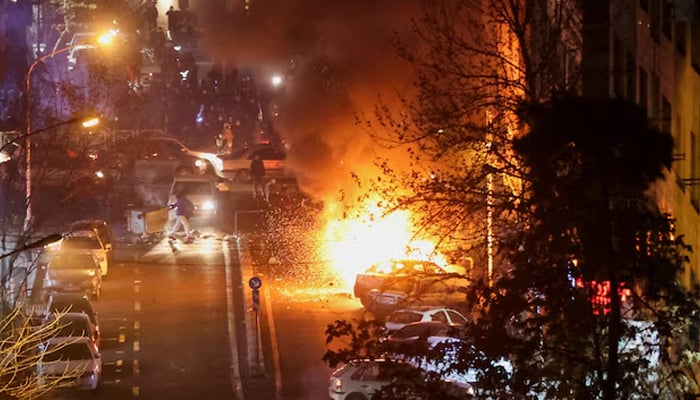
Images depict burning vehicles amid protests in Tehran, Iran, on January 8, 2026, over the collapse of the national currency’s value, as reported by Reuters.
The U.S. Treasury Department has accused five Iranian officials of orchestrating the crackdown on dissent and has imposed sanctions, including targeting the Secretary of Iran’s Supreme National Security Council and commanders of the Islamic Revolutionary Guard Corps and law enforcement agencies. The department announced it is monitoring Iranian leaders’ transactions, which are being wired to banks worldwide, warning they are “frantically wiring stolen funds from Iranian families.” Treasury Secretary Scott Bessent emphasized, “We know what you’re doing, and we will track every transaction.” He called on Iran’s leadership to “stop the violence and stand with the Iranian people.”
The unrest in Iran started as protests over skyrocketing prices but evolved into one of the most significant challenges to the regime since the 1979 Islamic Revolution. President Donald Trump has repeatedly threatened intervention, condemning the Iranian crackdown since protests began on December 28. “The United States stands firmly with the Iranian people in their pursuit of freedom and justice,” Bessent stated. “We will use every tool to target those responsible for the regime’s oppressive human rights violations.”
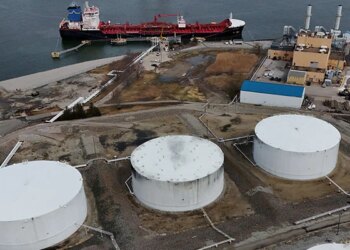
In addition, sanctions were slapped on 18 individuals involved in laundering Iranian petroleum and petrochemical revenues through shadow banking networks to foreign markets. This move is part of the ongoing “maximum pressure” campaign aimed at limiting Iran’s oil exports to zero and preventing its nuclear ambitions.
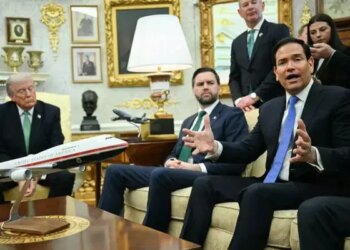
In an exclusive interview with Reuters in the Oval Office, Trump expressed mixed feelings about Reza Pahlavi, the Iranian opposition figure. While he described Pahlavi as “very nice,” Trump questioned his support inside Iran and questioned whether the Iranian people would accept his leadership, saying, “He seems very nice, but I don’t know how he’d play within his own country.” Trump also noted he isn’t sure if Pahlavi could succeed.
Pahlavi, 65, has lived outside Iran since before his father’s ousting during the 1979 Islamic Revolution and has become a vocal supporter of the protests. Experts suggest Pahlavi has gained some traction among protesters, but their support remains uncertain. Sanam Vakil from Chatham House said, “Support for any opposition figure is hard to gauge.” Trump added that regime change may happen, though he warned, “Any regime can fall,” and noted it will be interesting to see what unfolds.
 ChatGPT
 Perplexity
 Gemini AI
 Grok AI