Select Language:
The US military is increasing its presence in the Middle East amid escalating tensions with Iran. Disagreements persist between Iran and the US over nuclear negotiations. Iran maintains that it has no ambitions to develop nuclear weapons and prefers diplomatic solutions.
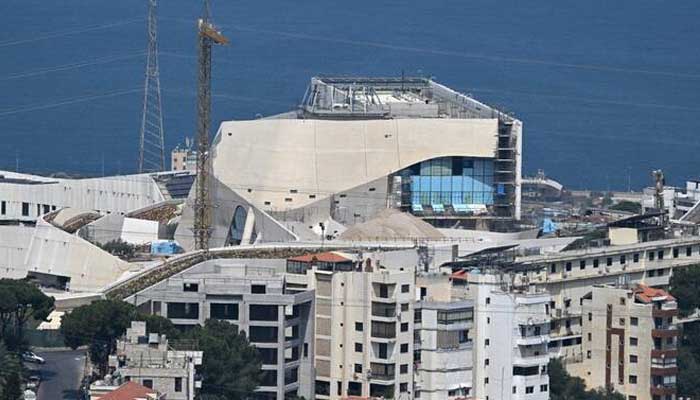
The State Department is evacuating non-essential personnel and their eligible family members from the US embassy in Beirut due to rising concerns about the possibility of military conflict with Iran. A senior official stated, “We constantly evaluate the security situation, and based on our recent review, we’ve decided it’s safest to limit our presence to essential staff.” The embassy continues to operate with core personnel, though this temporary measure aims to protect personnel while maintaining operational capabilities and assistance to American citizens.
Reports indicate that 50 individuals have been evacuated, with 32 embassy staff members and their families departing from Beirut on Monday. The recent buildup of US military forces, coupled with President Donald Trump’s warning that “really bad things will happen” if Iran’s nuclear issue isn’t resolved, underscores increased regional tensions. Iran has also threatened to attack US military bases in retaliation.
An internal State Department memo referenced the possibility of employees in emergency roles opting to leave, advising that alternative arrangements be made if necessary. Lebanon has historically been a target of US interests during its civil war from 1975 to 1990, with notable attacks such as the 1983 suicide bombing that killed 241 US Marines and another attack on the US embassy that resulted in 49 deaths.
Meanwhile, US Secretary of State Marco Rubio is planning to visit Israel on Saturday to meet with Prime Minister Benjamin Netanyahu. Although the trip is still on, officials caution that schedules might change. The US demands that Iran abandon its nuclear program, which Iran denies, asserting it has no intention of developing nuclear weapons. The US views Iran’s uranium enrichment activities as a possible pathway to building nuclear arms.
Iran’s Foreign Minister Abbas Araqchi expects to meet with US Special Envoy Steve Witkoff in Geneva on Thursday and remains optimistic about a diplomatic resolution. Despite this, both nations remain deeply divided, especially over the relief of US sanctions and the scope of negotiations. According to a senior Iranian official, prospects for a peaceful settlement are waning, and fears of a military confrontation are rising, with reports of rapid movement toward conflict as diplomatic talks stagnate.
On Sunday, Witkoff expressed curiosity about Iran’s reluctance to accept demands to limit its nuclear activities. That would mark the second US and Israeli military strikes against Iran within a year, following an attack last June targeting Iranian military and nuclear infrastructure.
 ChatGPT
 Perplexity
 Gemini AI
 Grok AI