Select Language:
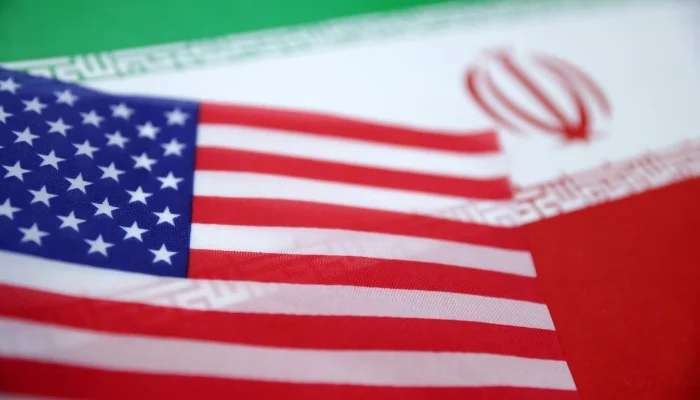
Iran and the US are currently holding their latest negotiations in Geneva, aiming to solve their long-standing nuclear disagreements and prevent new US military actions against Iran amid a significant military buildup. The talks, restarted this month, seek to address the prolonged standoff over Tehran’s nuclear program, which the US, Western allies, and Israel suspect is intended for nuclear arms development. Iran denies these allegations.
US Special Envoy Steve Witkoff and Jared Kushner, the son-in-law of President Donald Trump, will participate in indirect negotiations with Iran’s Foreign Minister Abbas Araqchi, according to a US official. These discussions follow a meeting in Geneva last week and are to be mediated by Oman’s Foreign Minister Badr Albusaidi.
In his State of the Union address, Trump briefly outlined the potential for military action against Iran, emphasizing that while diplomacy remains the preferred route, he is committed to preventing Iran from acquiring nuclear weapons.
Inside Iran, pressures are mounting. Supreme Leader Ayatollah Ali Khamenei faces the most severe crisis of his 36-year rule, with the country’s economy crippled by sanctions, and protests reigniting after a crackdown earlier this year.
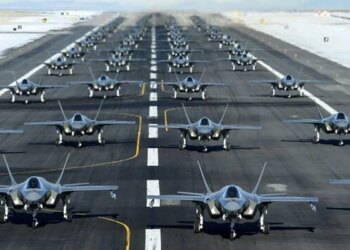
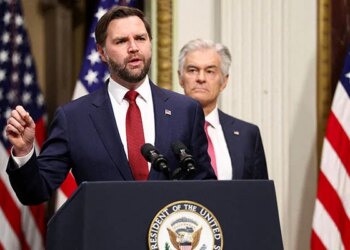
Meanwhile, in the United States, Vice President JD Vance reiterated Trump’s stance, insisting Iran cannot possess a nuclear weapon, describing this as the ultimate military goal if diplomatic efforts fail. The US has assembled a large military presence in the Middle East, raising concerns about a broader regional conflict. Last June, Washington and Israel targeted Iranian nuclear sites, with Iran warning it would respond with force if attacked again.
Trump warned on February 19 that Iran must strike a deal within 10 to 15 days to avoid severe consequences. Araqchi responded, emphasizing Iran’s desire for a swift and fair agreement but reaffirming its right to maintain peaceful nuclear technology. The US perceives Iran’s nuclear enrichment activities as potentially leading toward nuclear weapons.
Reports indicate Iran has proposed new concessions in exchange for sanctions removal and recognition of its right to uranium enrichment, seeking to avoid military confrontation. However, significant disagreements remain over the scope and order of sanctions relief, according to a senior Iranian official.
During these discussions, the head of the International Atomic Energy Agency, Rafael Grossi, is expected to meet with representatives from both sides, similar to last week’s talks. Meanwhile, Khamenei’s government is under intense domestic and international pressure, with widespread protests and economic hardship following months of unrest and violent crackdowns.
 ChatGPT
 Perplexity
 Gemini AI
 Grok AI