Select Language:
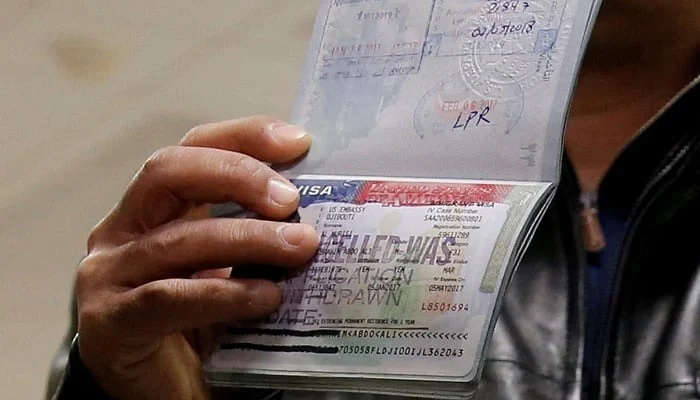
The US embassy in India issued a warning on Thursday stating that any arrests or violations of US laws can result in the revocation of student visas, deportation, and disqualification from obtaining US visas in the future.
On their official X account (@USAndIndia), they emphasized, “Breaking US laws can have serious consequences for your student visa.” They further clarified that if someone is arrested or breaks any laws, their visa could be revoked, they could be deported, and they might not be eligible for US visas again. The message underscored that a US visa is a privilege, not a right, urging travelers to adhere to regulations to avoid jeopardizing their plans.
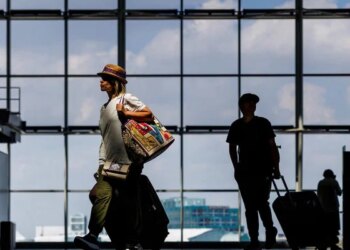
This alert follows recent communications from the US embassy in New Delhi, which included a December warning that tourist visas might be denied if officials suspect the primary motive is to give birth in the US to secure citizenship for a child. The embassy highlighted that such practices are not allowed.
Gulf News reported that these measures have introduced additional uncertainty for Indian visa holders, including many professionals who make up over 70% of H-1B approvals and nearly 90% of H-4 visas with work authorization. The US Embassy has also been rescheduling visa interviews, with some appointments pushed into mid-2026.
In September, the Trump administration proposed changes to prioritize higher-skilled and higher-paid workers in the H-1B visa selection process, according to a federal notice. This followed the administration’s effort to implement a $100,000 fee for these visas, aiming to protect American workers from unfair wage competition by giving more weight to applications from employers offering higher wages.
During his presidency from 2017 to 2021, President Trump attempted to overhaul the H-1B process but faced legal challenges and limited time at the end of his term. Tighter US immigration policies are also affecting India, with families reportedly less willing to marry off children to Indian nationals in the US due to fears of job loss or immigration issues. Official data on transnational marriages between Indian citizens domestically and abroad remain unavailable.
The US estimates the Indian diaspora to be around 2.1 million non-resident Indians. Since assuming office again in January, Trump has launched broader immigration restrictions, including efforts to limit legal pathways to residency. Indians represented 71% of H-1B visas last year, and recent data indicates that approximately 75% of H-1B visas granted to Indian citizens in 2024 went to men.
For students, data from Immigration and Customs Enforcement shows there were 422,335 Indian students in the US in 2024, though ongoing visa policy uncertainties are causing many to reconsider their American dreams.
 ChatGPT
 Perplexity
 Gemini AI
 Grok AI