Select Language:
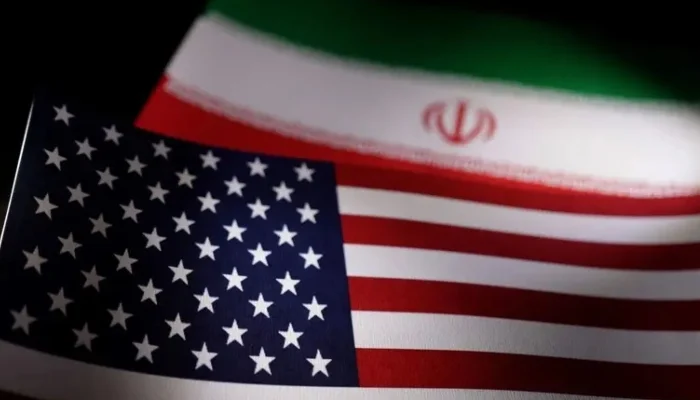
Tensions intensified after nationwide protests against the government in Iran. The scheduled meeting has been relocated to Oman following Iran’s insistence on bilateral talks. Iran has emphasized that the discussions should solely address its nuclear program.
The United States and Iran are set to hold talks in Oman on Friday, as Tehran requested a change of venue to confine negotiations to its nuclear activities. A regional official confirmed that the shift from Turkey to Oman aimed to prevent the discussions from expanding to topics like ballistic missile development.
Iran has firmly stated it will not compromise on its extensive ballistic missile arsenal, labeling this as a red line in negotiations. Since suffering attacks from Israel last year, Tehran claims to have replenished its missile stockpile and has warned it will deploy its missiles in self-defense if threatened.
An anonymous regional official noted that Iran has consistently maintained its focus on nuclear issues, while the U.S. has sought broader discussions. The recent surge in oil prices followed the U.S. shooting down an Iranian drone and reports of Iranian vessels approaching a U.S.-flagged ship in the Strait of Hormuz, stirring fears of escalation.
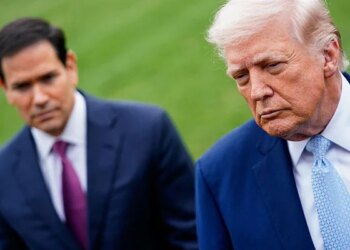
U.S. President Donald Trump warned of potential fallout if a deal is not reached, intensifying the standoff, which has seen threats of military strikes from both sides and heightened concerns over a broader conflict. On Tuesday, U.S. forces intercepted an Iranian drone approaching the aircraft carrier Abraham Lincoln in the Arabian Sea.
Trump indicated ongoing negotiations but did not specify the location of future talks. Sources suggest Jared Kushner, Trump’s son-in-law, along with U.S. Special Envoy Steve Witkoff and Iranian Foreign Minister Abbas Araqchi, might participate. Regional countries like Pakistan, Saudi Arabia, Qatar, Egypt, and the UAE were expected to be involved, but Tehran reportedly preferred direct U.S.-Iran talks only.
In June, the U.S. targeted Iranian nuclear sites, coinciding with the end of a 12-day Israeli bombing campaign. Recently, U.S. naval forces increased their presence in the region amid protests against Iran’s government, the fiercest since the 1979 revolution.
Iranian leaders are increasingly concerned that a U.S. strike could threaten their grip on power by inflaming an already angry public. The primary diplomatic goal remains avoiding conflict and easing tensions, according to a regional official.
Last week, Iran reportedly demanded three conditions for resuming negotiations: complete uranium enrichment cessation, limits on ballistic missile development, and an end to support for regional proxies. Iran has argued these conditions infringe on sovereignty, with officials indicating that missile programs are a more significant obstacle than uranium enrichment.
Iran claims its uranium enrichment is for peaceful purposes and has halted such activities since the June strikes. On Tuesday, in the Strait of Hormuz, U.S. Central Command reported Iranian Revolutionary Guard forces approached a U.S.-flagged tanker at high speed, threatening to seize it. The tanker accelerated and continued its journey despite the threat.
 ChatGPT
 Perplexity
 Gemini AI
 Grok AI