Select Language:
- Taliban decree expands the use of the death penalty and bans dissent. UN
- Decree not yet published; UN urges Taliban to revoke it.
- Turk compares Taliban system to gender apartheid.
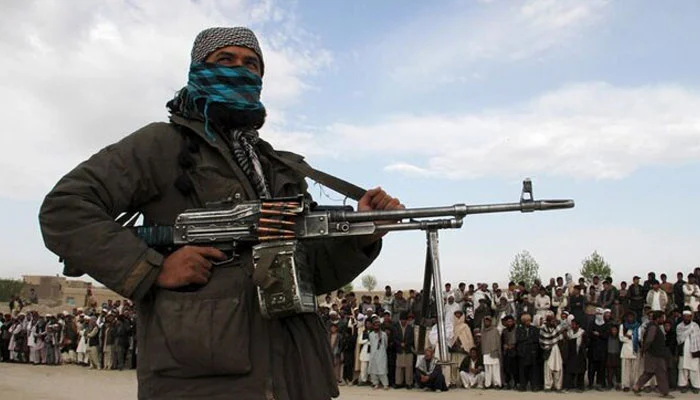
A new order from Afghanistan’s Taliban government is expected to further suppress rights and freedoms in the troubled country, particularly impacting women, according to UN human rights chief Volker Turk on Thursday.
Since taking control in 2021, the Taliban has curbed women’s mobility, prevented girls from higher education, and enacted morality laws that also restrict free expression and employment opportunities.
Turk, the UN High Commissioner for Human Rights, highlighted that a decree signed last month by Taliban leader Hibatullah Akhundzada “defines various crimes and punishments that violate Afghanistan’s international legal commitments.”
“It envisions corporal punishment for numerous offenses, including within homes, effectively endorsing violence against women and children,” he said during a Geneva Human Rights Council meeting.
“This decree, which is expected to be implemented soon, widens the range of offenses punishable by death.”
He added that the decree also criminalizes criticizing the Taliban’s leadership and policies, infringing on freedom of speech and assembly.
Official details of the decree have not been publicly released by Afghanistan’s Ministry of Justice or Supreme Court, and Reuters has not obtained the full text from officials.
The Taliban government did not immediately respond to requests for comment.
Turk called on the Taliban to withdraw the decree, halt executions, and cease corporal punishment. He emphasized that women and girls are facing severe repression under what he described as a system akin to gender apartheid. The Taliban maintain that women’s rights are internal matters that should be handled locally.
 ChatGPT
 Perplexity
 Gemini AI
 Grok AI