Select Language:
The UN has announced that it is now requesting an aid budget significantly lower than previous years, only half of what was initially expected for this year. This reduction reflects a substantial decrease in funding from donors during a period when humanitarian needs are at an all-time high.
The current appeal, totaling $23 billion, admits it cannot serve tens of millions of people urgently needing assistance, as dwindling support forces prioritization of only the most critical cases.
Aid organizations face additional hurdles, including security threats to personnel in conflict zones and limited access to affected areas.
“Ultimately, these funding cuts are forcing us to make incredibly difficult decisions,” said UN aid chief Tom Fletcher. “We’re stretched thin, underfunded, and under threat. We’re working tirelessly on your behalf, but we’re also being asked to put out fires with a limited supply of water—and we’re under attack.”
Last year, the UN aimed for a $47 billion relief effort for 2025. However, a combination of aid cuts from the U.S. and other Western nations such as Germany caused that number to be scaled back. As of November, only $12 billion has been received—a record low over the past decade—covering just over 25% of the needs.
For the upcoming year, the $23 billion plan highlights 87 million individuals classified as urgent cases where their lives are at risk. It estimates that approximately a quarter of a billion people are in immediate need of assistance, with a target to help 135 million of them at a cost of $33 billion, contingent on available resources.
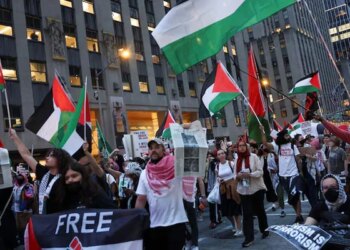
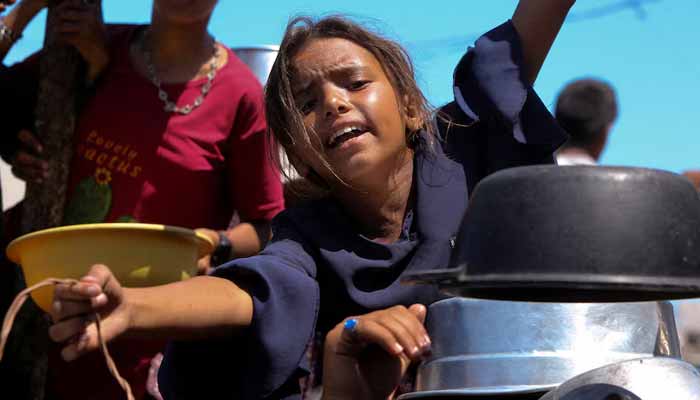
The largest portion of funding, $4 billion, is dedicated to the occupied Palestinian territories, primarily Gaza. The area has been ravaged by a two-year conflict involving Israel and Hamas, leaving nearly all 2.3 million residents homeless and heavily reliant on aid.
Following Gaza, the next most urgent needs are in Sudan, then Syria.
Fletcher emphasized the bleak outlook, with increasing hunger, the spread of disease, and record levels of violence, underscoring the critical importance of the aid appeal. “Our focus is on saving lives in the areas hit hardest by crises—wars, climate disasters, earthquakes, epidemics, and crop failures.”
The UN’s humanitarian funding largely depends on voluntary contributions from Western countries, with the United States historically being the leading donor. Despite ongoing aid cuts, the U.S. remains the top supporter in 2025, though its share has shrunk from over a third of total donations to just 15.6% this year.
 ChatGPT
 Perplexity
 Gemini AI
 Grok AI