Select Language:
UK universities are increasingly restricting applications from applicants in Pakistan and Bangladesh due to concerns about visa misuse and stricter regulations from the Home Office, according to reports. At least nine higher education institutions have limited recruitment from “high-risk” countries as they face mounting pressure to ensure their enrollments consist of genuine students rather than individuals exploiting the system.
The crackdown follows a rise in asylum claims from international students, prompting border security Minister Dame Angela Eagle to emphasize that the visa system “must not be used as a backdoor” for settlement in the UK. Last month, it was reported that Pakistan topped the list of countries seeking asylum with applications surging over the past year.
The University of Chester has halted recruitment from Pakistan until fall 2026, citing an unexpected increase in visa refusals. Meanwhile, the University of Wolverhampton is not accepting undergraduate applications from Pakistan and Bangladesh, and the University of East London has suspended recruitment from Pakistan, as reported by the Financial Times. Other institutions like Sunderland and Coventry have also paused hiring from these countries.
Sunderland University defended its firm stance, stating that it is acting to preserve the integrity of the student visa system. Earlier this year, the Home Office revised the thresholds for the Basic Compliance Assessment (BCA), which UK institutions must meet to maintain their student sponsor licenses. These reforms aim to combat system abuse and reduce net migration, which is now at its lowest in four years.
From September, universities are now required to keep their visa application rejection rate below 5%, down from 10%. However, the refusal rates for Pakistani and Bangladeshi student visa applications—excluding dependents—averaged 18% and 22%, respectively, for the year ending September 2025, well above the new cap. These two countries accounted for half of the 23,036 visa refusals issued by the Home Office during that period.
There has also been a spike in asylum claims from Pakistani and Bangladeshi nationals, many of whom entered the UK on work or student visas. An international education consultant, Vincenzo Raimo, noted that this enforcement presents a “real dilemma” for lower-fee universities heavily reliant on international students, as even a few problematic cases could threaten their compliance with Home Office thresholds.
Various universities have made adjustments to their recruitment strategies. The University of Hertfordshire, now under an enforcement plan for stronger compliance, has suspended recruiting from Pakistan and Bangladesh until September 2026, citing lengthy visa processing times. Glasgow Caledonian University has also temporarily slowed international student intake, warning that the new metrics leave little room for leniency. Its recruitment was paused for September courses but resumed in January. Oxford Brookes University has paused undergraduate recruitment from Pakistan and Bangladesh starting with January 2026, planning to reopen applications for the fall.
Private institutions like BPP University have temporarily stopped recruiting students from Pakistan as part of their risk mitigation efforts. Over the summer, London Metropolitan University stopped recruiting from Bangladesh, citing that country’s 60% share of its visa refusals.
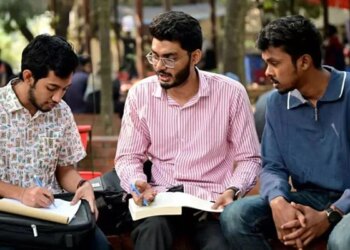
Maryem Abbas, founder of Edvance Advisors in Lahore, expressed concern over these restrictions, calling them “heartbreaking” for genuine students who are left stranded as their applications are withdrawn at late stages. She criticized UK universities for fostering incentives that lead to false applications and urged better oversight of overseas agencies that source international students. Abbas pointed out that many agencies in Pakistan prioritize profit over student welfare, turning the sector into a “moneymaking business.”
Official estimates published in May indicated that 22 higher education institutions would not meet at least one of the new BCA criteria. While 17 could potentially improve their compliance and continue sponsoring students, five risks losing their sponsorship privileges altogether for at least a year, potentially affecting roughly 12,000 international students.
Jamie Arrowsmith, director at Universities UK International, noted that some universities will need to diversify their recruitment and improve application and deposit processes to adhere to the new regulations. Although these measures could pose challenges, he emphasized their importance in maintaining public trust in the system.
The Home Office reaffirmed its appreciation for international students, stating, “That’s why we’re tightening the rules to ensure those coming here are genuine students and education providers fulfill their responsibilities.”
 ChatGPT
 Perplexity
 Gemini AI
 Grok AI