Select Language:
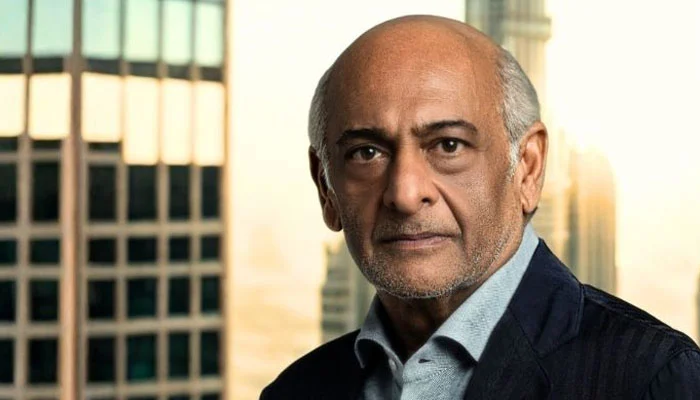
The European Union and the United Kingdom have targeted Pakistani oil trader Murtaza Ali Lakhani with sanctions over allegations that he aided Moscow in bypassing Western restrictions on crude oil exports, which are a key source of funding for Russia’s war efforts in Ukraine.
The UK has accused 63-year-old Lakhani, a Canadian-Pakistani businessman, of financially benefiting from and supporting the Russian government by directly or indirectly controlling multiple companies involved in Russia’s energy sector, including Tejarinaft, Fossil Trading, and the Dubai-based Amur II.
Lakhani, who previously donated to the Tory party, is the most high-profile oil trader to face Western sanctions since Russia launched its full-scale invasion of Ukraine in 2022. These sanctions are part of broader efforts by the UK and EU to pressure the Kremlin, amid U.S. initiatives to push for peace negotiations between Moscow and Kyiv.
Known as a shrewd operator in difficult markets and long based in London, Lakhani has established a strong presence with influential connections in British political circles. He has now been sanctioned separately by the EU as well. The latest EU measures bar its citizens from doing business with the sanctioned entities and individuals, which hampers access to shipping and insurance services. The EU has blocked over 2,600 entities and individuals from conducting business.
According to the EU’s official records, Lakhani, CEO of the trading firm Mercantile and Maritime, facilitates the shipment and export of Russian oil, specifically from state-owned giant Rosneft. It also states that he controls vessels transporting crude oil or petroleum products originating from or exported out of Russia.
The UK has sanctioned his three companies, along with Mercantile & Maritime Group registered in the UAE with offices in London, Dubai, and Singapore. Lakhani, an alumnus of London education institutions, built M&M into a significant international oil trading entity, assembling a board that includes notable figures like a former British Army chief.
Records show Lakhani owns and remains a director of Mercantile & Maritime UK Limited, established in 2015. This UK subsidiary notably donated £500,000 to the Conservative Party during Boris Johnson’s 2019 campaign. Despite these sanctions, M&M UK itself has not been included on the list.
Recent reporting from the Financial Times indicates that since 2022, Lakhani has been associated with three companies in the UAE involved in supplying Russian oil, including Tejarinaft FZCO, which was renamed Nexus Oil Trading last year. His legal representatives claim he does not own or control these companies but has only provided occasional advice and support.
UK officials argue that sanctions are effectively reducing Russia’s revenue from oil exports, which has declined sharply since October, when the UK and US sanctioned Russia’s two largest oil corporations. Oil income has fallen over 25% in the past year, reaching its lowest level since the invasion began. Sanctions Minister Stephen Doughty emphasized that these measures aim to tighten economic pressure on Russia and push for negotiations.
Lakhani’s attorneys responded to the sanctions, asserting he denies owning or controlling any vessels that violate restrictions and is pursuing legal options to challenge the measures, claiming they are politically motivated and unfounded.
Lakhani’s career began at Glencore, where he worked on Iraqi oil exports during Saddam Hussein’s regime. Later, he operated in Kurdistan as an intermediary between the Iraqi Ministry of Oil and international firms, facilitating independent oil sales from the region. During this time, he worked closely with Rosneft CEO Igor Sechin and helped Russia’s energy giant secure deals in Kurdistan, including during major events at the St. Petersburg economic forum.
Building on these relationships, Lakhani partnered with Vitol to acquire a 5% stake in Vostok Oil, Rosneft’s significant Arctic oil project. He has expressed the view that Russia’s natural resources are indispensable and that efforts to hinder Russia’s resource development are short-sighted, reinforcing his close ties with the country’s energy industry.
 ChatGPT
 Perplexity
 Gemini AI
 Grok AI