Select Language:
Apple has updated its App Store policies, permitting developers to incorporate external links or payment systems for app purchases and subscriptions without incurring commission fees. This revision follows a recent ruling by a California District Court, which stated that Apple did not comply with a previous judgment in the significant Apple vs. Epic Games antitrust case. The court found Apple guilty of violating California’s antitrust laws, compelling it to facilitate external payments within apps.
According to these new guidelines, apps in the iOS and macOS App Stores are no longer “forbidden from including buttons, external links, or other calls to action” for processing payments outside the app. Although these modifications began last year, developers were previously required to request a special “entitlement” to accept payments from external sources. This change allows developers to direct users to a button within the app that leads to an external site for completing transactions.
Nonetheless, Apple will continue to charge a 27% commission on any sales made through external links, commonly referred to as the “Apple Tax,” while developers generating over $1 million in annual revenue will pay a 30% fee on in-app payments. Apple has long defended this commission structure by asserting that its secure technologies, such as Store Kit, safeguard against fraud and facilitate secure transactions with adequate tracking.
With the new ruling, Apple has indicated it will rescind the 27% commission as detailed in the updated app store guidelines for developers. However, this ruling currently affects only developers in the U.S.; those in other regions may remain subject to commissions. For example, Apple’s regulations in the EU could still impose a commission of at least 10% or 17%, depending on revenue, regardless of the system used.
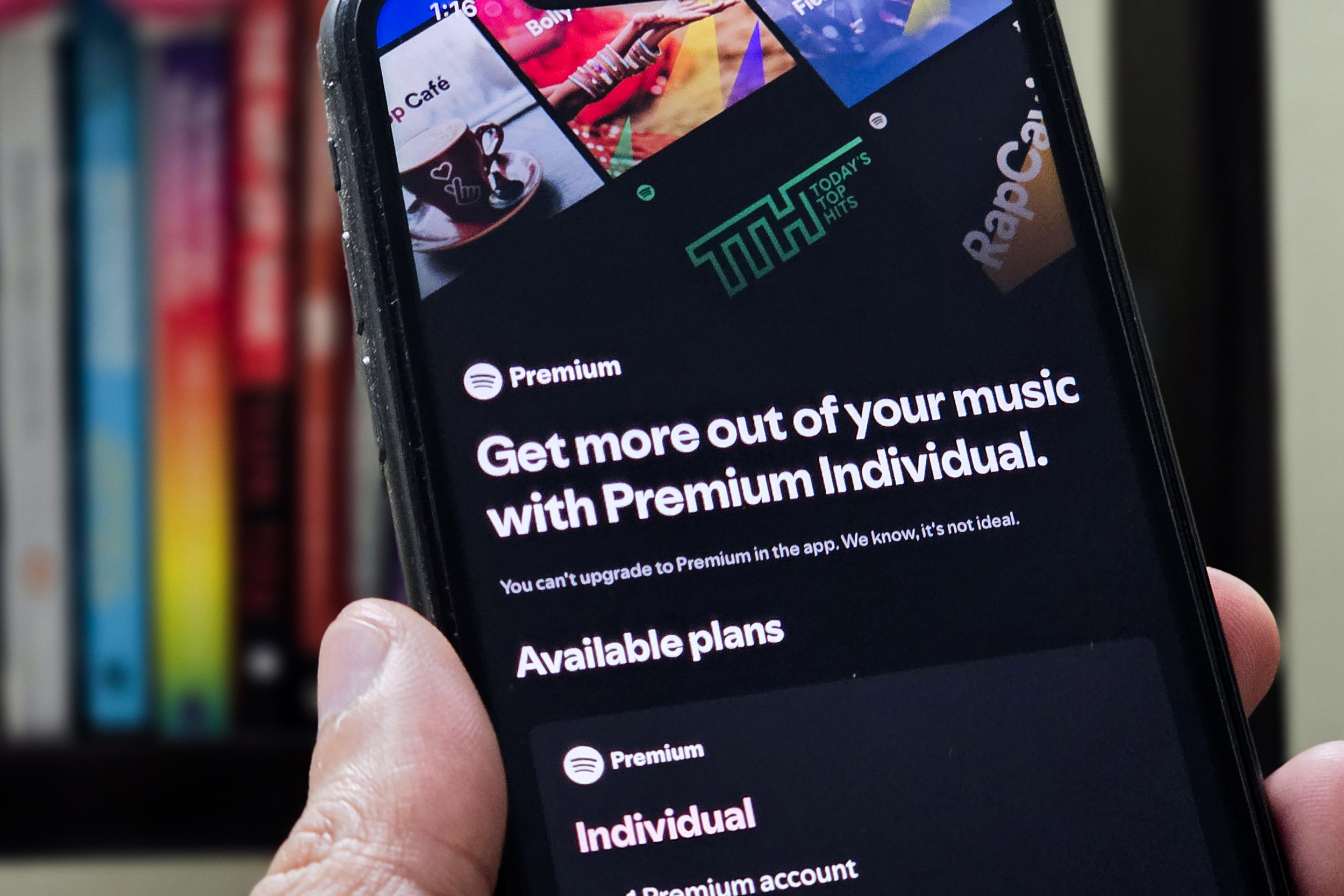
To bypass these commission fees, several developers, including Spotify and Netflix, had disabled in-app payment links, directing users to pay or renew their subscriptions via their websites. This shift is anticipated to change with the recent ruling, which will permit developers to keep all profits.
Notably, these commission fees were also passed on to consumers, prompting developers to elevate their subscription prices to accommodate them. For instance, the monthly subscription rate for a premium tier varies based on whether the payment is made via the app or the web. With this latest ruling, there is hope for reduced prices as developers’ costs decline.
For those developers unwilling to create their own payment systems, Epic Games has introduced a simplified alternative. If an app is available on the Epic Games Store, developers can benefit from a 0% commission on their initial $1 million in annual revenue. However, this may mainly benefit consumers within the EU, where Apple is compelled to provide alternatives to its App Store as part of another antitrust decision against it.
Furthermore, the court has directed Apple and its CFO to the United States Attorney for an “investigation of criminal contempt,” which may have catalyzed these regulatory adjustments. Apple asserts its intention to first comply with the ruling before appealing, although the likelihood of a successful appeal appears slim after the U.S. Supreme Court dismissed a prior appeal aiming to overturn the 2021 judgment.
 ChatGPT
 Perplexity
 Gemini AI
 Grok AI