Select Language:
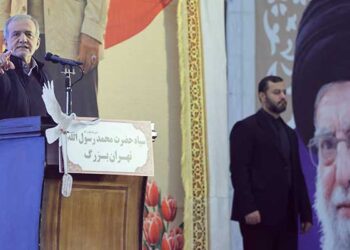
Iran’s ongoing protests, driven by severe economic hardships, represent the most significant internal disturbance for the regime in recent years. Despite the turmoil, there are no clear indications of cracks within the security forces that might threaten the system established since 1979.
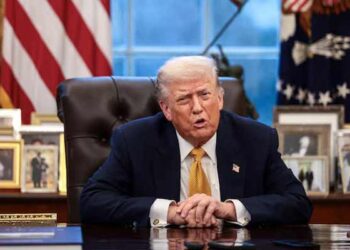
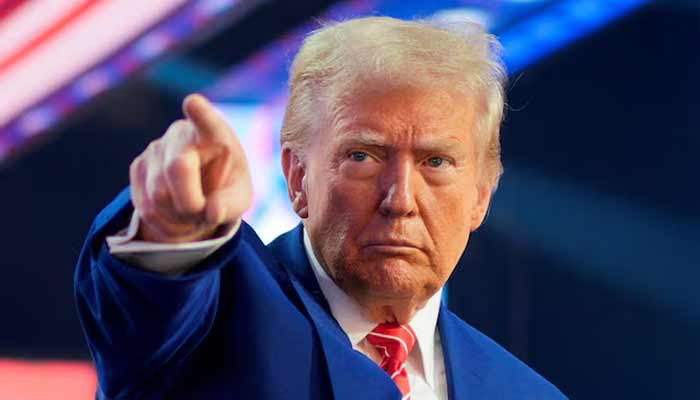
In response to the protests, U.S. President Donald Trump called on Iranians to continue demonstrating and pledged that assistance was imminent, without providing specifics. He also suspended all meetings with Iranian officials until the killing of protesters ceased. Trump announced new tariffs of 25% on imports from countries dealing with Iran and mentioned contemplating further military actions, emphasizing that the U.S. is prepared to escalate its response.
Iran’s government attributes the violence to terrorists—whom they say are responsible for the deaths of protesters and security personnel. The country remains under heavy U.S. sanctions, with major oil exports going mainly to China, Turkey, Iraq, the UAE, and India. China quickly condemned the tariff measures, highlighting Iran’s vital trade relationship with Beijing.
Russia condemned what it called “subversive external interference” and dismissed U.S. threats of military strikes, warning that such actions could have disastrous consequences for Middle Eastern stability and international security. Meanwhile, German leader Friedrich Merz predicted the regime would collapse, suggesting it might need to cling to power through violence, which he indicates signals its impending end. Iranian Foreign Minister Abbas Araqchi dismissed Merz’s comments, accusing Germany of double standards and questioning its credibility.
 ChatGPT
 Perplexity
 Gemini AI
 Grok AI