Select Language:
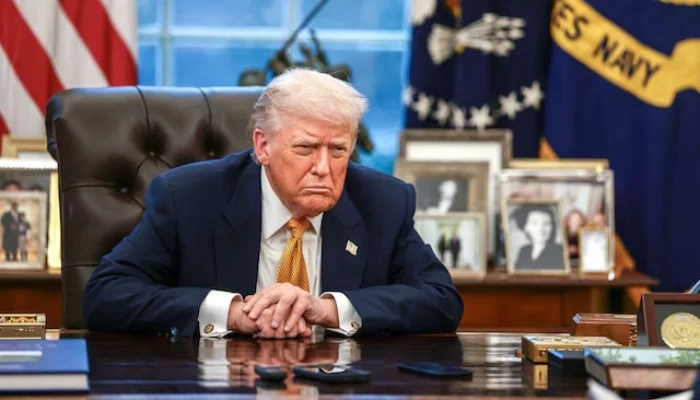
The international community has responded cautiously to President Donald Trump’s recent proposal for a “Board of Peace,” which has raised concerns among experts. Some critics warn that the initiative’s structure could resemble an imperialist endeavor, potentially undermining the work of the United Nations. Diplomats suggest that the plan might do more harm than good to existing global peace efforts.
When asked about the plan in a recent interview, Trump stated, “You have to let the UN continue,” emphasizing that he believes in the potential of the United Nations but feels it has yet to fulfill its promise. He mentioned the possibility of the “Board of Peace” replacing the UN, adding, “The UN just hasn’t been very helpful. I am a big supporter of its potential, but it has fallen short so far.” He further expressed hope that the UN will persist, citing its significant opportunities.
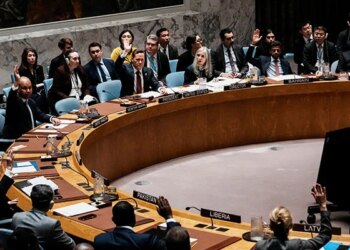
The White House has announced a list of individuals slated to sit on the board, including Secretary of State Marco Rubio, Trump’s special envoy Steve Witkoff, former British Prime Minister Tony Blair, and Jared Kushner, Trump’s son-in-law. A UN Security Council resolution passed in mid-November authorized the creation of the “Board of Peace,” along with countries working with it to establish an international stabilization force in Gaza. This move was part of a fragile ceasefire agreement that began in October, based on a Trump-led plan agreed upon by Israel and Hamas.
Under this plan, the board was tasked with overseeing Gaza’s temporary governance, with indications that the initiative might expand to address conflicts worldwide. However, many rights advocates warn that such a board could weaken the authority of the United Nations. Critics also point out that Trump’s supervision of a territory’s affairs echoes colonial models, and Blair’s involvement has drawn criticism due to his role in the Iraq War and Britain’s historical imperialism in the Middle East.
Since the ceasefire’s inception, the situation in Gaza remains unstable. Reports indicate that over 460 Palestinians—including more than 100 children—and three Israeli soldiers have been killed. The effectiveness of the plan’s implementation and its long-term sustainability remain uncertain amid these ongoing tensions.
 ChatGPT
 Perplexity
 Gemini AI
 Grok AI