Select Language:
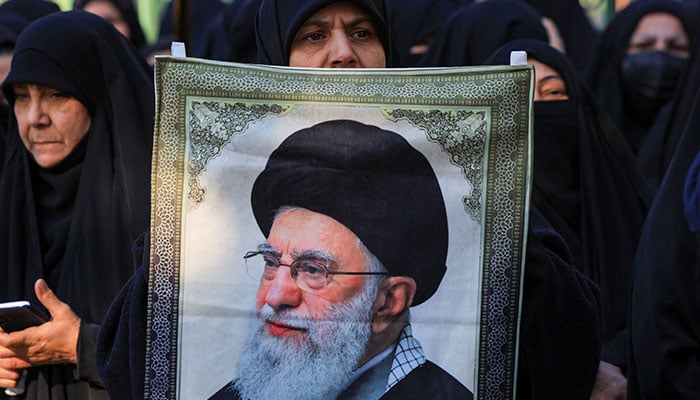
A woman displays a picture of Iran’s Supreme Leader Ayatollah Ali Khamenei during a rally expressing solidarity with Iran’s government in Tehran, near the Iranian Embassy in Baghdad, Iraq, on January 16, 2026, according to Reuters.
– Donald Trump claims Iran has halted mass executions of protesters.
– He expressed gratitude to Tehran and described their decision as “highly respected.”
– He alleges that over 800 executions had been scheduled.
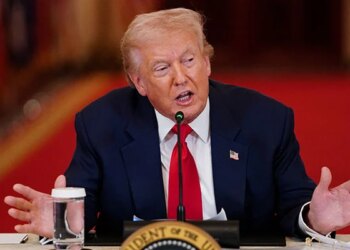
In Dubai, U.S. President Donald Trump thanked Iran’s authorities for canceling what he described as hundreds of planned executions following a crackdown. On social media, he celebrated the halt of the mass hangings, praising Tehran as the unrest across the country seems to be calming after a severe crackdown. Trump, who had previously threatened significant U.S. action if Iran executed protesters, stated that Iran’s leaders had called off the executions.
“I greatly respect that all scheduled hangings, which were set for yesterday—more than 800—have been canceled by Iran’s leadership. Thank you!” he posted online.
Iran has not officially announced any plans or cancellations for such executions. The protests began on December 28, driven by economic issues, and quickly grew into nationwide demonstrations demanding regime change, climaxing in violence at the end of last week. Opposition sources and an Iranian official report that more than 2,000 people have died—the worst unrest since the 1979 Islamic Revolution.
However, residents from Tehran told Reuters that the capital has been quite quiet over the past four days. There have been no signs of major protests on Thursday or Friday, despite drones flying overhead. A resident from a northern city by the Caspian Sea also said the streets there appeared calm, though they wished to remain anonymous for safety reasons.
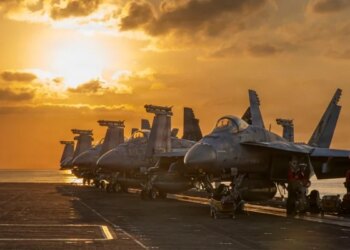
The likelihood of a U.S. attack has decreased since Wednesday when Trump stated that violence in Iran was diminishing. Still, additional U.S. military assets are expected to arrive in the region, underscoring ongoing tension.
Aliances like Saudi Arabia and Qatar have engaged in intensive diplomacy with Washington to prevent a U.S. strike, warning of regional repercussions that would eventually affect the U.S. The Israeli intelligence chief, David Barnea, was also in the U.S. for Iran-related talks, and Israel’s military remains on “peak readiness,” according to sources.
As internet restrictions eased, reports of violence have emerged. A woman in Tehran told Reuters that her 15-year-old daughter was killed last week during a protest near their home, followed by security forces from the Basij militia.
The U.S. is planning to send more offensive and defensive military resources to the area, though specifics about the forces involved and their deployment timeline remain unclear, according to a U.S. official who spoke anonymously. The Pentagon declined to comment on troop movements.
Reza Pahlavi, the son of Iran’s last Shah now based in the U.S., called on the international community to increase pressure on Tehran to support protesters and facilitate regime change. Pahlavi, whose support within Iran is uncertain, urged global nations to stand with the Iranian people. Trump, however, appeared to downplay U.S. backing for Pahlavi, expressing doubts about his capacity to generate substantial support inside Iran. Pahlavi met with U.S. envoy Steve Witkoff last weekend, according to Axios.
Despite the protests slowing, there are still reports of unrest in some regions. Hengaw, an Iranian-Kurdish rights organization, reports ongoing military presence in cities and towns previously affected by demonstrations, with some sporadic violence.
For example, a nurse was reportedly shot dead by government forces during protests in Karaj, west of Tehran, though Reuters could not independently verify this. Also, a local education office was set on fire in Falavarjan County, central Isfahan Province.
In northern Iran, where many Kurdish Iranians reside, some protests continue, though less intensely. An older resident described the violence earlier in the protests as unprecedented.
A video verified by Reuters shows dozens of bodies in a Tehran medical center, with most in body bags, some uncovered. The exact date of the footage isn’t confirmed.
Officially, calm has been restored nationwide, according to Iran’s police chief, but the death toll reported by HRANA, a U.S.-based rights group, has increased slightly since Wednesday, now at 2,677—comprising 2,478 protesters and 163 security personnel or affiliates. Independent verification remains difficult, but Iran previously estimated approximately 2,000 deaths.
These figures are significantly higher than death tolls in past unrest, such as 2009 and 2022.
 ChatGPT
 Perplexity
 Gemini AI
 Grok AI