Select Language:
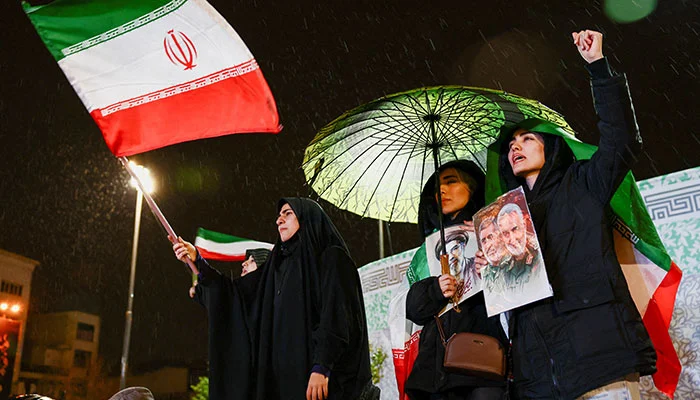
Protesters gather in Tehran to attend an anti-U.S. and anti-Israeli demonstration amid escalating tensions between the United States, Israel, and Iran, March 26, 2026. — Reuters
– President Donald Trump reports that negotiations with Iran are “progressing very well.”
– An Iranian official dismisses the U.S. peace proposal as “unfair.”
– The Wall Street Journal cites mediators indicating that Iran has not requested a pause in hostilities.
DUBAI/TEL AVIV/WASHINGTON: President Donald Trump announced a 10-day suspension of attacks on Iran’s energy infrastructure at Tehran’s request, asserting that discussions with Iran are going “very well.” However, an Iranian official called the U.S. proposal to end the conflict “one-sided and unfair.”
Since U.S. and Israeli strikes began on February 28 following failed nuclear talks with Tehran, the conflict has resulted in thousands of deaths, spread to neighboring countries, and driven global energy prices upward.
On Thursday, Trump threatened during a White House cabinet meeting to intensify pressure on Iran if no deal is reached, later posting on social media that he would pause strikes on Iranian energy facilities until April 6, 2026, at 8:00 p.m. EDT (midnight GMT on April 7).
“Negotiations are ongoing, and despite false reports by the Fake News Media and others, they are going very well,” he stated on his Truth Social account.
He also told Fox News’s “The Five” that Iran requested a seven-day ceasefire, with no immediate response from Tehran. According to Wall Street Journal sources, Iran did not ask for a 10-day halt on attacks on its energy plants; mediators say Tehran has not formally requested such a pause.
Drone speedboats are being used for patrol operations as part of U.S. efforts against Iran, marking the first confirmation of Washington deploying these vessels in active conflict. The ongoing war has significantly disrupted shipping lanes, leading to approximately a 40% increase in crude oil prices and a two-thirds rise in liquefied natural gas shipments to Asia. Fertilizer prices, vital for food production, have surged around 50%.
Despite Trump’s optimistic tone, Iran continues to retaliate by striking Israeli and U.S. military targets, as well as Gulf states. Additionally, Iran has effectively blocked Middle East fuel exports through the Strait of Hormuz. The Pentagon confirmed that the U.S. has deployed uncrewed drone speedboats to patrol the area.
Trump has warned that the United States could become Iran’s “worst nightmare” if Tehran fails to meet demands, which include reopening the strait and ending the nuclear program. There was also mention of the possibility of U.S. taking control over Iran’s oil reserves, though no details were provided.
An Iranian official told Reuters that a U.S. 15-point proposal, relayed via Pakistan, was thoroughly reviewed by senior Iranian officials and the country’s Supreme Leader’s representative. While they consider it primarily in U.S. and Israeli interests, diplomacy is ongoing amidst persistent fighting.
Iran launched multiple missile attacks against Israel on Thursday, hitting locations including Tel Aviv, Haifa, and a Palestinian town in central Israel. At least one ballistic missile struck Tel Aviv, with others dispersing cluster munitions that damaged homes and vehicles. Israel’s emergency services reported a fatality in Nahariya caused by Hezbollah rockets.
Within Iran, strikes targeted Bandar Abbas and a village near Shiraz, with reports of damage to a university in Isfahan.
The Strait of Hormuz remains a critical issue. Trump proposed that Iran allow ten oil tankers, including some with Pakistani flags, to pass through as a gesture of goodwill. The U.S. has massed thousands of troops in the Middle East, leading to speculation of a potential ground invasion, though specifics remain undisclosed.
Special U.S. envoy Steve Witkoff confirmed the delivery of a 15-point negotiation plan, which includes demands such as dismantling Iran’s nuclear capabilities, curbing missile programs, and gaining control of the Strait. Pakistan has facilitated indirect talks through messaging, with Turkey and Egypt also supporting mediation.
Iran’s position has hardened, demanding security guarantees against future military actions, compensation for damages, and formal control over the Strait. They have insisted that Lebanon be included in any ceasefire agreement, according to regional sources.
The U.S. has not publicly identified its negotiating partners but has been involved in enduring hostilities across the Middle East, resulting in mass casualties and ongoing conflict.
 ChatGPT
 Perplexity
 Gemini AI
 Grok AI