Select Language:
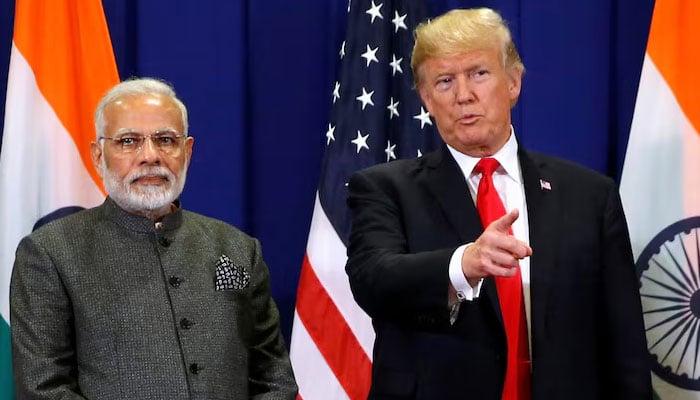
Trump states he is unconcerned with India’s actions regarding Russia, dismissing concerns over their dealings. He claims that India’s tariffs are the highest globally and announced plans to impose a 25% tariff on Indian imports. As the August 1 deadline for a trade agreement approaches, Trump criticized both India and Russia, indicating he doesn’t mind if their economies suffer together.
He noted that the U.S. has minimal trade with India, citing the high tariffs as a primary reason, and mentioned that other major trading partners face lower tariffs—Vietnam at 20%, Indonesia at 19%, and Japan and the EU at 15%. This tariff increase would particularly impact India and could halt ongoing negotiations, undermining the strategic partnership between the two nations and their opposition to China.
In response, India’s government said it was analyzing the implications of Trump’s tariffs and emphasized its commitment to a fair trade deal. The exact nature of the penalties Trump alluded to remains unclear; initially, he suggested they were linked to India’s purchase of Russian military equipment and energy, as well as non-tariff barriers. He also linked India’s involvement in BRICS to the tensions, stating that any countries aligning with BRICS’ “anti-American policies” could face an additional 10% tariff.
Previously, the White House had criticized India’s high average tariffs, which approach 39% on agricultural products—rising to 45% on vegetable oils and about 50% on apples and corn. Trump argued that despite the close friendship, high tariffs and extreme non-monetary trade barriers limited trade possibilities with India.
Despite the tensions, India remained a significant oil supplier for Russia, with Russia providing 35% of India’s oil during the first half of 2025. The U.S. maintains a substantial trade deficit with India, totaling $45.7 billion. White House officials explained that Trump was frustrated with the stagnant progress of trade talks and believed that the recent tariff threats might stimulate negotiations.
Compared to recent trade deals, the proposed US tariffs on India would be higher—Vietnam at 20%, Indonesia at 19%, Japan and the EU at 15%. Negotiations have focused on market access for U.S. agricultural and dairy products, with India stressing its dedication to protecting its farmers, entrepreneurs, and small businesses.
 ChatGPT
 Perplexity
 Gemini AI
 Grok AI