Select Language:
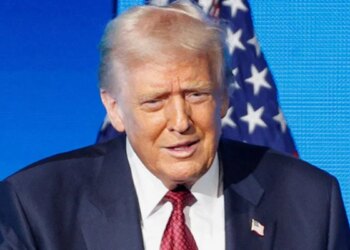
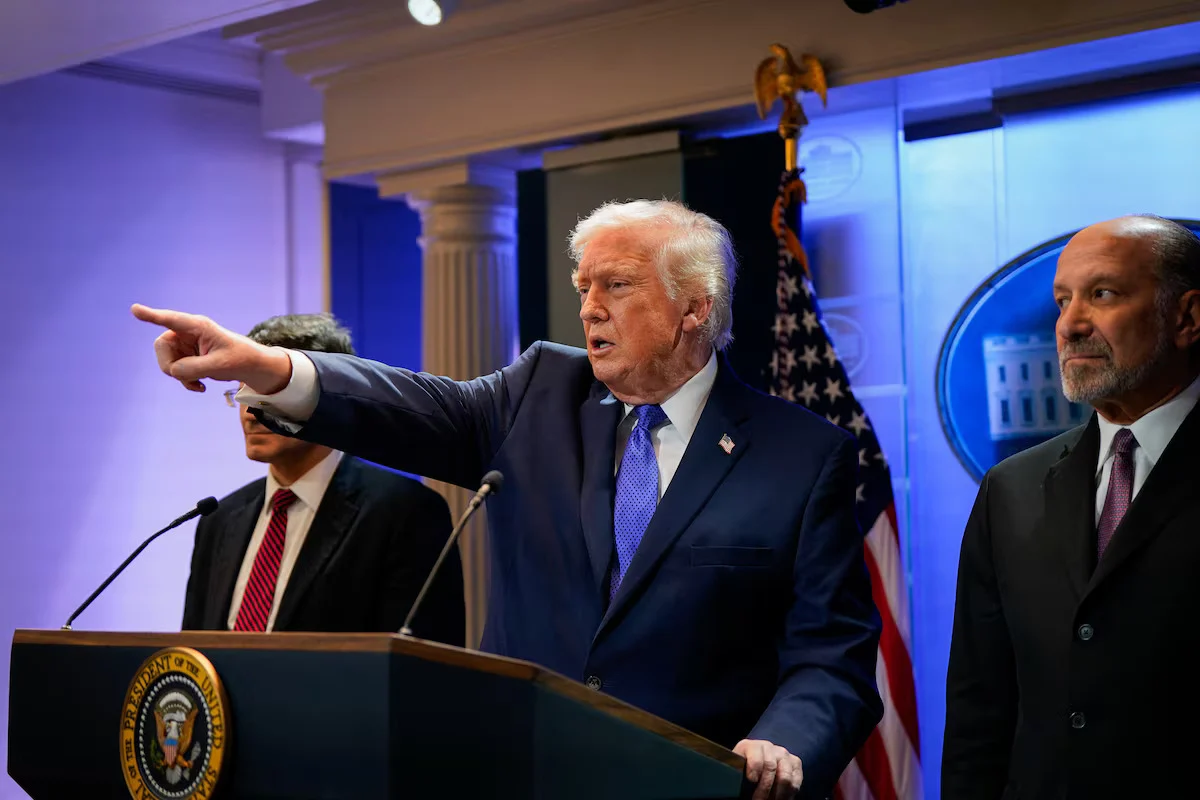
- President Donald Trump signs an executive order to revoke tariffs that were invalidated by the court.
- He announces a new 10% tariff on imports from all nations, effective immediately, layered atop existing tariffs, with certain exemptions like critical minerals, metals, and energy items, as stated by the White House.
- The Supreme Court’s decisive 6-3 ruling challenged the authority Trump and his trade representatives claimed to have used to influence foreign relations and global markets through tariffs.
- The decision briefly boosted U.S. stock markets, which then hovered with slight gains amid ongoing concerns about global market stability and potential future actions by Trump.
- Shortly after the ruling, Trump signed an order to cancel the previously struck-down tariffs and enacted new duties of 10% on most US imports for 150 days, with specific exclusions.
- The ruling raised questions about recent trade agreements negotiated under the threat of high tariffs and the $175 billion collected from US importers, which the court indicated may have been collected unlawfully.
- Trump criticized the court, expressing shame and accusing some justices of being unpatriotic and swayed by foreign interests, claiming they lacked the courage to do what’s right for the country.
- He suggested that, despite the court’s limits on his unilateral powers, there are still other ways to impose tariffs, including invoking emergency powers.
- The court emphasized that, absent a national emergency, the president does not have inherent authority to impose tariffs during peacetime, citing the Constitution’s explicit legislative powers.
- The decision stunned markets, injecting a new wave of uncertainty into trade policy after a tumultuous year of unpredictable tariff statements.
- Analysts predict a return to high tariffs, but with more complexity and less direct control for the presidency, possibly leading to legal challenges in extending tariffs.
- Trump invoked Section 122 of the Trade Act of 1974, allowing tariffs up to 15% for up to 150 days to address international payments issues, though this too could face legal scrutiny.
 ChatGPT
 Perplexity
 Gemini AI
 Grok AI