Select Language:
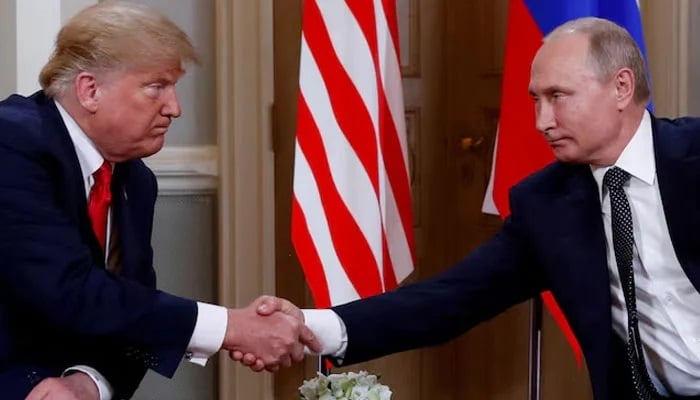
In a recent exchange, President Donald Trump reached out to Vladimir Putin, describing their discussions as “good,” though he expressed frustration over strikes in Kyiv. Trump alleged that Putin avoids Zelensky personally because he “doesn’t like him.” Meanwhile, Senator Marco Rubio engaged with Ukraine and European Union allies, emphasizing support for diplomatic negotiations to resolve the conflict.
Trump shared that he last contacted Putin on August 18, during a White House meeting interrupted to make a call to the Russian leader. When queried about the outcome, Trump responded, “Every conversation I have with him is a good one. But then, unfortunately, a bomb is loaded into Kyiv or somewhere, and I get very angry.”
Prior to that, Trump hosted a significant summit with Putin on August 15 in Alaska, aiming to broker a resolution to Russia’s invasion of Ukraine. After their call on August 18, Trump claimed Putin had agreed to hold direct talks with Zelensky, although Moscow subsequently clarified they had no such plans. Trump suggested Putin might be hesitant to meet Zelensky face-to-face because he “doesn’t like him.” Despite these tensions, Trump remains optimistic about reaching a peace deal, asserting, “I think we’re going to get the war resolved.”
Following discussions with Zelensky and European leaders, Rubio maintained communication with Ukraine’s foreign minister and their counterparts from Britain, France, Finland, Germany, Italy, Poland, and the European Union. They agreed to continue collaborative diplomatic efforts toward a durable negotiated settlement.
Italy’s Foreign Minister Antonio Tajani, whose government leans right, reiterated the importance of security guarantees for Ukraine, akin to NATO’s collective defense commitments. He highlighted the need to strengthen Ukraine’s military and defense industries and expressed Italy’s willingness to assist in demining operations on land and at sea.
Although Trump last week hinted at progress regarding security assurances for Ukraine, he has frequently opposed Ukraine’s NATO membership, aligning more closely with Russia’s stance.
 ChatGPT
 Perplexity
 Gemini AI
 Grok AI