Select Language:
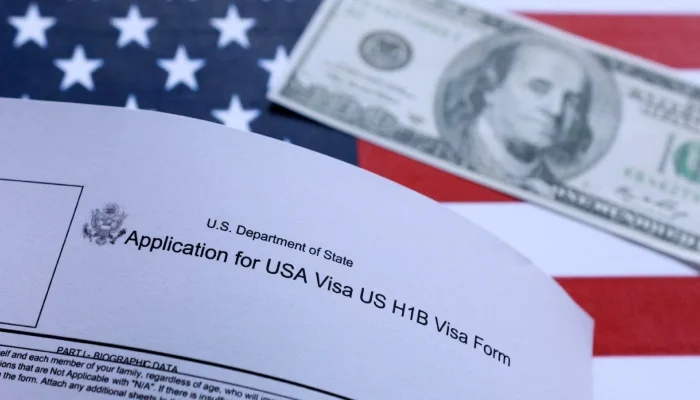
Texas Governor Greg Abbott has issued a sweeping executive order that halts the filing of new H-1B visa petitions by all state agencies and public universities in Texas. The directive, posted on his official website, explicitly states that no public institution or state agency may submit a new H-1B application for a foreign worker without prior written approval from the Texas Workforce Commission. This ban will be in place until May 31, 2027, aligning with the end of the 90th regular session of the Texas Legislature.
In his letter to agency leaders, Abbott emphasized that Texas has heavily invested—billions of dollars—in education, workforce training, and high-demand skill development to prepare residents for both local and global employment. He pointed out that the original purpose of the federal H-1B program was to fill gaps in the U.S. labor market where domestic workers were unavailable. However, Abbott noted reports suggesting misuse of the program, where some employers bypass qualified American workers for cheaper foreign labor or even replace U.S. employees with H-1B visa holders.
Abbott stressed that jobs funded by Texas taxpayers should primarily benefit Texans and that state agencies should lead by example. As part of the order, affected agencies and universities must submit a detailed report to the Texas Workforce Commission by March 27, 2026. The report should include data on new and renewal H-1B petitions filed during 2025, current H-1B visa holders employed, their countries of origin, job roles, visa expiration dates, and evidence that qualified Texas candidates were given a fair chance to apply for each position before applying for an H-1B.
The Texas Workforce Commission has been tasked with issuing guidance to ensure the order is properly implemented and enforced. This decision comes amid ongoing national debates about the future of the H-1B program and renewed calls from the Trump-era administration for stricter immigration policies. Experts see this move as a politically and economically significant statement, reinforcing a narrative focused on safeguarding local employment and prioritizing American workers.
Sectors most immediately affected are likely to include public universities, government research institutions, and fields that typically rely on international talent, such as science, engineering, medicine, and advanced research. University leaders and policy specialists warn that this freeze could delay new faculty hires, disrupt ongoing research, and increase pressures on academic staffing, which are already strained. Foreign professionals currently employed or seeking jobs within Texas’s public institutions—many from Pakistan, India, China, and other Asian countries—are expected to feel the impact.
Importantly, the order does not extend to private companies, private universities, startups, conferences, events, or private partnerships, which remain governed by federal H-1B rules and are unaffected by the governor’s directive.
Overall, Abbott’s measure signals a significant shift in how Texas approaches immigration and employment, emphasizing increased scrutiny and a preference for local workers. Though the freeze is temporary, the message is clear: future access to publicly funded jobs in Texas will undergo tighter control, a change that is poised to influence the state’s education, research, and employment landscape for years to come.
 ChatGPT
 Perplexity
 Gemini AI
 Grok AI