Select Language:
Fatemeh, a resident of Tehran, finds her daily highlight amid the ongoing month-long conflict between the US, Israel, and Iran—making a quick trip to her local cafe. “When I sit at a cafe table, even just for a few minutes, I almost feel like the world hasn’t fallen apart,” the 27-year-old dental assistant shared. “It’s like escaping this war and living a normal day, or at least imagining a world not constantly haunted by the fear of losing my life, or losing loved ones or everything I own,” she explained to AFP.
If the bombing eases up, allowing her a better night’s sleep, Fatemeh will put on makeup and dress up, trying to make her visit feel special. “Then I return home, back to the harsh reality of living in war with all its darkness and heaviness,” she added.
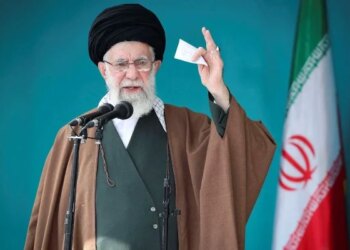
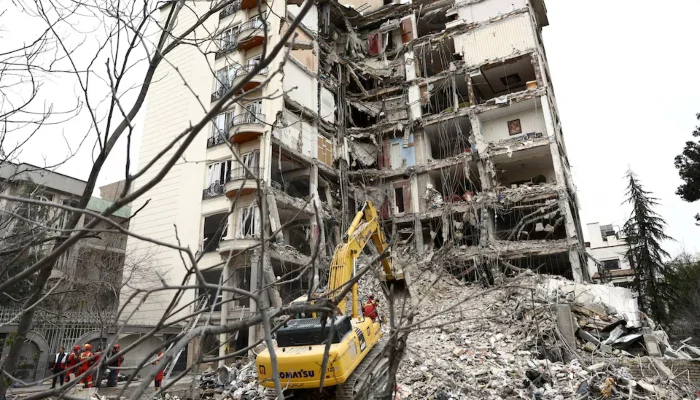
People in Tehran who spoke to AFP’s war coverage team in Paris described a city desperately clinging to routines—cafes and restaurants open, no food shortages in supermarkets or gas stations, and efforts to maintain some social normalcy. But they are aware that life is far from normal, with relentless bombings hitting the capital since the war ignited on February 28, following the martyrdom of Supreme Leader Ayatollah Ali Khamenei and other senior officials.
Security checkpoints now line previously peaceful streets. Internet services have been blocked or severely slowed down, except for domestic use, and windows are taped up to prevent shattering during strikes. Beyond the fear of death or losing loved ones, residents are anxious about what lies ahead—how the collapsing economy will impact their lives and what kind of country they will inhabit.
Because of potential repercussions, those willing to share their stories with AFP used only their first names. Shahrzad, 39, said, “Lately, I mostly stay home and only go out when I really have to. The only thing that helps me keep my spirits up from my pre-war routines is cooking.” However, she admitted, “Sometimes I find myself crying in the middle of it. I miss simple days… a life where I didn’t constantly worry about explosions, death, or losing loved ones.” She explained that she tries to stay strong for her daughter, but her future feels unclear and hopeless.
Over the past week, residents have been trying to make the most of Nowruz, Iran’s traditional New Year holiday, which typically involves leaving the city or celebrating with family at home. Shayan, a 40-year-old photographer, said, “There’s no shortage of essentials—we have fuel, water, and electricity. Cafes are open, and people still visit them.” Yet, he described a collective sense of helplessness: “We don’t know what to do, and honestly, there’s little we can do. The holiday atmosphere was nearly absent, but we forced ourselves to try.”
While shops and restaurants stay open until 9 pm, many choose to stay indoors after the afternoon. Elnaz, 32, a painter based in Tehran, reflected on how attack relapses remind her of how much she yearns for a simple life. “We miss going out at night, just being able to visit different parts of the city. I miss something as ordinary as shopping outside my small neighborhood store. I miss reading at a cafe and going to the park,” she shared, adding, “Most of all, I miss sleeping peacefully.” She said that nights with heavy bombardments make Tehran feel like it’s trembling, emphasizing that survival has become the only goal. Her thoughts often revolve around staying alive for her loved ones—friends, family, and fellow citizens who seem more resilient than ever amid these hardships.
Kaveh, a 38-year-old artist, recounted that a missile fragment struck about fifty meters from his home a few days ago. “I brought a piece of it home, hoping to create something with it when I have the chance,” he said. He described how, at night, groups backing the government roam the streets, honking and gathering, while nearby checkpoints search cars and phones, fueled by mounting frustration. “Being out in the city often means passing through multiple checkpoints daily—each run by different groups. Searches and inspections are routine, and the stress builds up,” he explained.
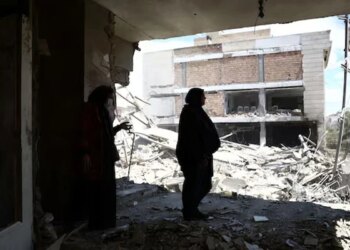
Old photos of children slain in attacks adorn squares, while enormous flags of the Islamic Republic blanket buildings turned to ruins. “Ultimately, many of us are concerned about Iran’s future and what concrete steps could improve our situation,” Kaveh concluded.
 ChatGPT
 Perplexity
 Gemini AI
 Grok AI