Select Language:
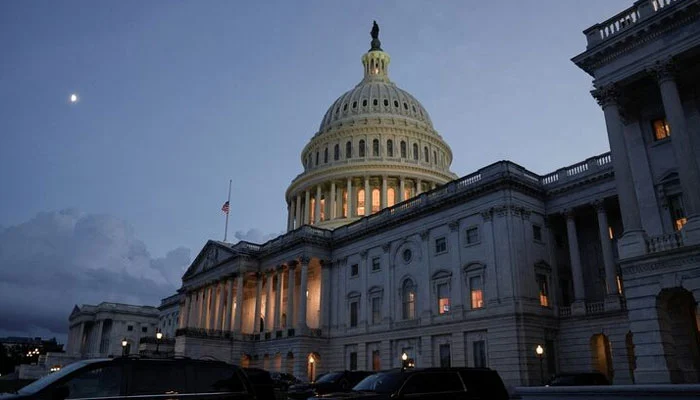
The U.S. Senate declined to pass a resolution aimed at limiting President Donald Trump’s authority to carry out military actions against Iran. The vote demonstrated a slim bipartisan support for a conflict initiated without clear approval from Congress.
The proposed measure, introduced by Democrat Tim Kaine and Republican Rand Paul, would have mandated the withdrawal of U.S. forces from hostilities with Iran unless Congress explicitly authorized the ongoing military involvement.
With Republicans possessing a 53-47 majority and generally supporting the president’s decision to strike Iran in coordination with Israel, the resolution narrowly failed by the same margin.
This vote occurred five days into an escalating conflict that has already claimed the lives of Iran’s top leader, Ayatollah Ali Khamenei, and several other senior officials in Tehran. U.S. casualties have also been reported after an attack on a U.S. base in Kuwait attributed to Iran.
Democrats contend that Trump overstepped legal boundaries by ordering the air strikes without congressional approval, citing inconsistent justifications for the war. Kaine expressed after a classified briefing that there was no evidence presented suggesting an immediate threat from Iran.
Most Republicans have rallied behind the president, although some have indicated their support might diminish if the conflict expands or prolongs. Senator Lindsey Graham shared concerns on social media about the threat posed by Iran’s actions and expressed relief that the conflict was not allowed to escalate further.
For the resolution to pass, Democrats would have needed at least four Republican votes in favor. One Democrat, Senator John Fetterman from Pennsylvania, opposed the measure.
Even if the bill had successfully passed both chambers, President Trump could veto it. Overriding a veto would require a two-thirds majority in both the House and Senate, an unlikely scenario.
Meanwhile, governments worldwide have been evacuating citizens affected by the Middle East conflict triggered by American and Israeli airstrikes that resulted in the death of Iran’s top spiritual leader and prompted retaliatory missile and drone attacks across the Gulf region. Cities previously considered insulated, like Dubai and Riyadh, are now involved as the fighting spreads.
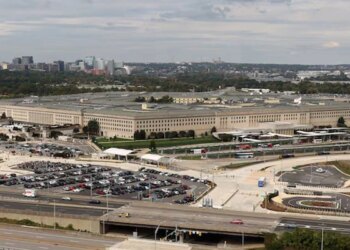
The congressional debate on Trump’s war powers reflects broader concerns about the scope and duration of U.S. military engagement. Officials from the Biden administration informed lawmakers that the military operation could extend for weeks and may require additional congressional funding. Both parties anticipate that the Department of Defense might soon seek emergency funds to replenish weapons stocks and sustain operations.
The resolution invoked the 1973 War Powers Act, which limits unauthorized military conflicts to 60 days and gives Congress the authority to force votes on such engagements. Democrats, acknowledging the slim chances of passage, emphasized that compelling Congress to openly state its position on the conflict was a necessary step.
 ChatGPT
 Perplexity
 Gemini AI
 Grok AI