Select Language:
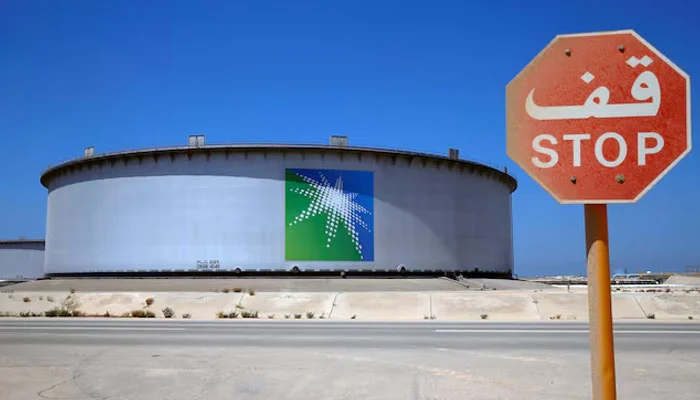
On Monday, Saudi Arabia temporarily shut down its largest domestic oil refinery following a drone attack, according to an informed source. This comes amid a pattern of increased hostilities involving Israeli and U.S. counterstrikes, along with Iranian retaliation, which have led to the closure of multiple oil and gas facilities throughout the Middle East.
Attacks persisted into the third day, prompting the shutdown of most oil production in Iraqi Kurdistan and several major Israeli gas fields, which in turn reduced exports to Egypt. Saudi Aramco’s Ras Tanura refinery, a key part of the energy complex on the Gulf coast capable of processing 550,000 barrels per day, was closed as a preventative measure. This complex also functions as a vital export terminal for Saudi crude oil.
In Iraqi Kurdistan, where 200,000 barrels per day are shipped via pipeline to Turkey’s Ceyhan port, oil companies such as DNO, Gulf Keystone Petroleum, Dana Gas, and HKN Energy have ceased operations at their fields as a safety measure, reporting no damage. Offshore Israel, the Chevron-led Leviathan gas field was shut on Saturday, and Energean has also halted operations at its smaller gas fields.
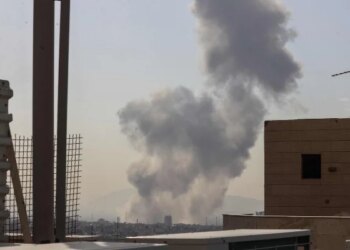
The Saudi oil infrastructure was targeted; two drones were intercepted near the Ras Tanura facility, causing debris that led to a small fire, according to the Saudi defense ministry. No injuries were reported. While some units at the refinery were temporarily shut, the supply of petroleum products domestically remained unaffected. Nonetheless, the shutdown is expected to heighten fears over supply disruptions, especially as shipping through the Strait of Hormuz, through which approximately 20% of global oil trade passes, has slowed significantly following attacks on vessels.
This escalation is viewed as a serious development by experts. Torbjorn Soltvedt, a Middle East analyst at Verisk Maplecroft, described the attack as a substantial increase in hostilities, signaling that Iran’s interests are now directly targeted within the Gulf’s energy infrastructure. He warned that this could draw Saudi Arabia and neighboring Gulf nations closer to U.S. and Israeli military actions against Iran.
Saudi Arabia’s critical energy facilities have been previously attacked; notably, in September 2019, drone and missile strikes on the Abqaiq and Khurais plants temporarily halted more than half of the kingdom’s crude output. The Ras Tanura plant was also attacked by Yemen’s Iran-aligned Houthi rebels in 2021.
 ChatGPT
 Perplexity
 Gemini AI
 Grok AI