Select Language:
Russia has voiced strong support for Venezuela as the South American nation faces a blockade of sanctioned oil tankers by U.S. forces operating in the Caribbean. The official statement from Moscow came just before a United Nations Security Council (UNSC) meeting scheduled for Tuesday to address the escalating crisis between Caracas and Washington.
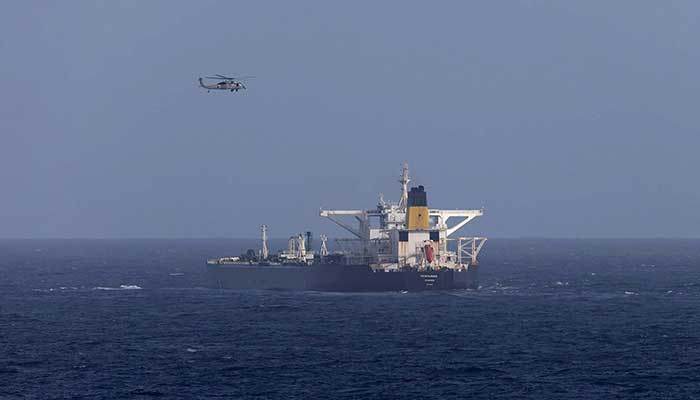
During a phone conversation, Russian Foreign Minister Sergei Lavrov and Venezuelan Foreign Minister Yván Gil condemned U.S. actions, which have included targeted strikes on suspected drug trafficking vessels and the seizure of two oil tankers. A third vessel was reportedly being pursued, according to a U.S. official.
The Russian foreign ministry indicated that the ministers discussed their serious concerns over the recent escalation of U.S. military activities in the Caribbean Sea. They warned these actions could destabilize the region and disrupt international maritime traffic. The statement also reaffirmed Russia’s unwavering support and solidarity with the Venezuelan government and people amidst what they described as aggressive U.S. measures.
Since September, U.S. forces have conducted strikes on boats they allege are involved in drug trafficking in the Caribbean and eastern Pacific. Washington claims its actions are necessary to combat drug trafficking but has provided no concrete evidence. Reports indicate that more than 100 individuals have been killed in these operations, some of whom were fishermen, as reported by their families and governments.
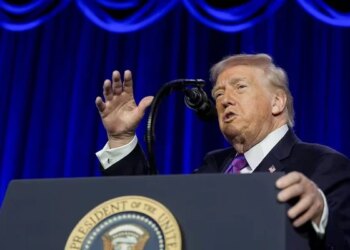
On December 16, President Donald Trump announced a blockade targeting oil tankers that are subject to sanctions and are moving to and from Venezuela. Trump accuses President Nicolas Maduro’s administration of using oil revenues to fund illegal activities such as drug trafficking, human smuggling, murder, and kidnapping. He also alleges that Caracas has captured a significant portion of U.S. oil assets—a reference to the country’s nationalization of its petroleum industry—and has expressed a desire to reclaim what he describes as “their oil.”
Venezuelan officials maintain that Washington’s real intent is to provoke regime change and have accused the U.S. of engaging in “international piracy.” The Russian Foreign Ministry highlighted that Lavrov and Gil agreed to coordinate their actions within the international arena, especially at the UN, to uphold respect for sovereign rights and prevent external interference in domestic affairs.
Russia and China, both allies of Venezuela, supported Caracas’s request for a UNSC meeting to discuss what they call “the ongoing U.S. aggression.” Gil revealed on Telegram that he and Lavrov discussed “the aggressions and blatant violations of international law being carried out in the Caribbean, including vessel attacks, extrajudicial killings, and acts of piracy by the U.S. government.” Gil also stated that Moscow fully supports Venezuela in these turbulent times.
Meanwhile, U.S. Secretary of State Marco Rubio dismissed Moscow’s support for Caracas, asserting that the U.S. is not concerned about escalating tensions with Russia over Venezuela, emphasizing that Russia is preoccupied with its ongoing conflict in Ukraine. Tensions between Washington and Moscow have heightened in recent weeks due to frustrations expressed by Trump over Russia’s lack of progress in resolving the Ukraine conflict.
Additionally, Gil delivered a televised letter, signed by Maduro and addressed to the international community, warning that the U.S. blockade would impact global oil and energy supplies.
 ChatGPT
 Perplexity
 Gemini AI
 Grok AI