Select Language:
A coalition of human rights organizations has filed a lawsuit against the Trump administration over its abrupt suspension of immigrant visa processing for nationals from 75 countries, claiming this action disrupts established immigration policies. The legal complaint, lodged in Manhattan federal court, seeks a court order to halt the implementation of this policy, which went into effect on January 21.
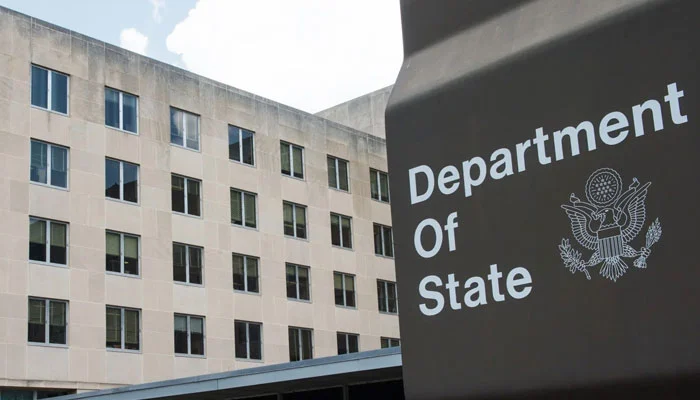
The plaintiffs argue that the Department of State’s new stance is founded on unsupported and false assertions, claiming that citizens of these countries tend to abuse the welfare system and are more likely to become “public charges.” The lawsuit contends that this reasoning is baseless and unjustified.
In response, a State Department spokesperson, Tommy Pigott, emphasized that visa issuance is a privilege rather than a right, asserting that the policy aims to prevent significant amounts of waste, fraud, and abuse. He added that the department is temporarily halting visa issuance to review and improve screening procedures but assured the public that their commitment to prioritizing American citizens remains unchanged.
The case, brought by the National Immigration Law Center alongside other groups, represents various plaintiffs, including U.S. citizens separated from family members due to the policy. One notable plaintiff is a Colombian endocrinologist who was approved for an employment-based visa but cannot proceed because Colombia is among the impacted countries.
This pause has affected applicants from across Latin America—including Brazil, Colombia, and Uruguay—Balkan nations such as Bosnia and Albania, South Asian countries like Pakistan and Bangladesh, as well as numerous countries across Africa, the Middle East, and the Caribbean.
Notably, the policy does not extend to U.S. visitor visas, which have garnered attention given upcoming international events like the 2026 World Cup and 2028 Olympics hosted by the U.S.
A State Department internal communication, reviewed by Reuters, revealed that the department is conducting a comprehensive review of all policies, regulations, and guidance to bolster the screening and vetting process for all visa applicants. The document indicated that applicants from these 75 countries are considered at a higher risk of becoming public charges and are more likely to seek assistance from county, state, and federal agencies within the U.S.
 ChatGPT
 Perplexity
 Gemini AI
 Grok AI