Select Language:
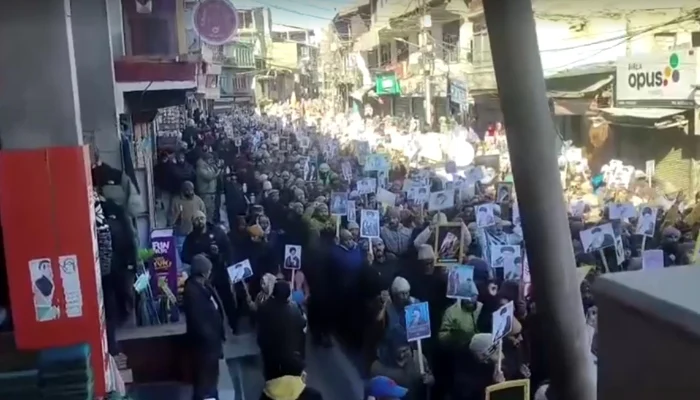
Pro-Iran demonstrators held up posters of Supreme Leader Ayatollah Ali Khamenei and shouted slogans in support of Iran in the Indian-controlled Ladakh region. The protest took place on January 14, 2026, as Iran’s government works to suppress internal dissent. According to a report by The Times of India, the rally was organized by the Imam Khomeini Memorial Trust.
Multiple procession groups departed from various parts of Kargil, with large crowds carrying banners of Khamenei and chanting in his favor. These rallies merged at the Old Taxi Stand in Kargil, where the main gathering drew thousands of men and women from across the district.
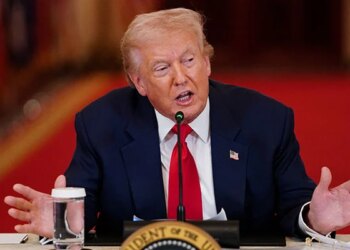
During the protests, demonstrators expressed opposition to the United States and Israel, specifically targeting U.S. President Donald Trump and Israeli Prime Minister Benjamin Netanyahu. Tehran aims to deter Trump’s repeated threats of intervention on behalf of anti-government protesters.
Experts and regional diplomats warn that military action could backfire—either by quashing protests in Iran, leading to harsher crackdowns on participants, or provoking Iranian missile strikes against U.S. military bases in the Middle East.
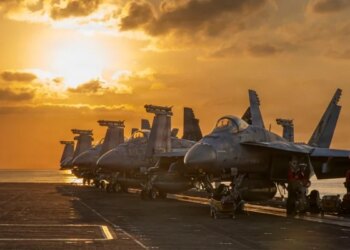
A U.S. official announced on Wednesday that some personnel are being evacuated from Middle Eastern bases amid escalating tensions, following warnings from an Iranian official that Tehran had warned neighboring countries it would strike American bases if Washington took retaliatory action.
Despite the mounting tensions, Trump stated late Wednesday that violence during Iran’s protests was decreasing and that there are no plans for mass executions of protesters. Iranian Foreign Minister Abbas Araqchi also clarified that Iran has no intention of hanging protesters, saying, “There is no plan for hanging at all. Hanging is out of the question,” during an interview on Fox News.
 ChatGPT
 Perplexity
 Gemini AI
 Grok AI