Select Language:
Two individuals linked to last week’s deadly mass shooting at Australia’s Bondi Beach trained for the attack in rural areas, according to court documents filed Monday. Prime Minister Anthony Albanese has committed to enacting stricter laws targeting hate speech and extremism.
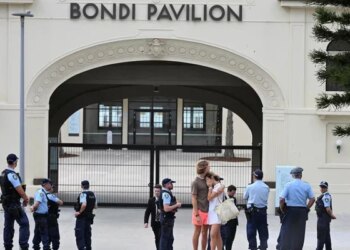
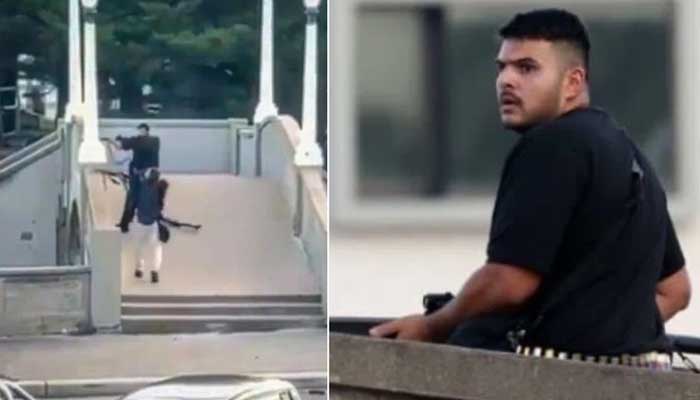
Sajid Akram and Naveed are accused of attacking a Hanukkah event on Bondi Beach, resulting in 15 fatalities—the deadliest mass shooting in Australia in nearly thirty years. Court papers reveal the suspects practiced with firearms in what is believed to be the New South Wales countryside prior to the incident. Photos show them firing shotguns and moving in what authorities described as a tactical manner.
In October, the suspects recorded a video condemning “Zionists,” sitting in front of a Daesh flag and explaining their motivations. Furthermore, just days before the attack, the suspects went on a nighttime reconnaissance trip to Bondi Beach.
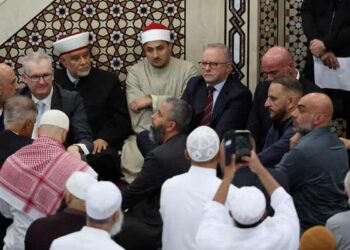
Australia marked one week since the shooting by observing a minute of silence at 6:47 pm local time. Albanese announced his intention to introduce legislation punishing hate preaching more severely, emphasizing national resilience: “We won’t allow terrorists inspired by Daesh to divide us. We will get through this together.” He expressed regret for the attack and assured efforts to protect Jewish Australians’ rights to practice their faith, educate their children, and participate fully in society.
The federal government has proposed sweeping reforms to firearm regulations and hate speech laws, alongside a review of law enforcement and intelligence agencies. Last week, Albanese revealed a nationwide gun buyback program—the largest since 1996, when Australia implemented strict firearm controls after the Port Arthur massacre that claimed 35 lives.
Additionally, New South Wales held special parliamentary sessions Monday to pass what officials called the “toughest firearm laws in the country.” Premier Chris Minns stated, “The world has changed since Sunday’s terrorist act. We wish we could rewind time, but our focus is on preventing future tragedies.” The new legislation limits gun ownership to four firearms per person, or ten for certain groups like farmers, with over 1.1 million guns already registered statewide.
The reforms will also ban displaying “terrorist symbols,” including the Daesh flag found in a vehicle linked to one of the accused shooters. Authorities will have expanded powers to restrict protests for up to three months after a terrorism-related event.
Sajid Akram, 50, was shot and killed during the assault; he entered Australia on a visa in 1998 from India. His 24-year-old son Naveed, an Australian citizen, was transferred from hospital to jail Monday. Minns announced plans to consider tighter hate speech laws next year, including bans on phrases like “globalize the intifada.”
 ChatGPT
 Perplexity
 Gemini AI
 Grok AI