Select Language:
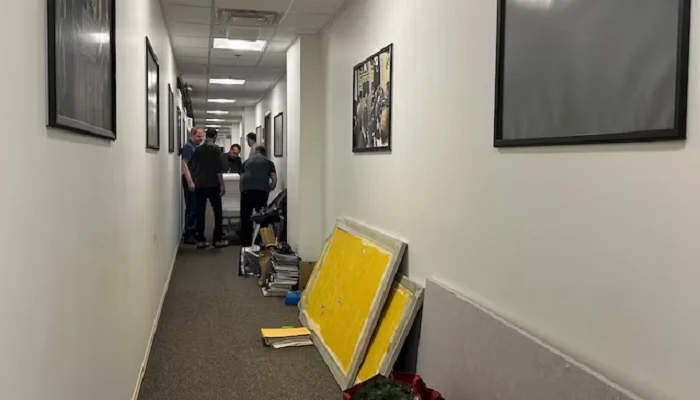
Dozens of journalists covering the U.S. Department of Defense (DoD) handed in their press credentials and vacated their offices at the Pentagon on Wednesday as new restrictions on press access went into effect.
The Pentagon had set a Tuesday deadline for news outlets to either agree to a new access policy or risk losing their credentials and workspaces. Over 30 outlets, including Reuters, chose not to sign the new policy, citing concerns over press freedom and their ability to independently report on the nation’s military power.
The updated policy demands that journalists acknowledge the new rules, which include the potential branding of reporters as security risks and the revocation of Pentagon press IDs if they ask department officials to disclose classified or certain unclassified information.
The Pentagon Press Association, representing more than 100 news organizations including Reuters, issued a statement condemning the move, calling Wednesday “a dark day for press freedom” and warning it signals a decline in the U.S.’s commitment to transparency, accountability, and free speech.
Pentagon spokesperson Sean Parnell clarified on Monday that the policy doesn’t require approval—only acknowledgment—leading some reporters to publicly voice dismay. Parnell defended the policy, saying it’s in the best interest of national security and troops. The Pentagon has not provided further comments since then.
On Wednesday, the press area at the Pentagon was notably quiet as reporters cleared out equipment like furniture, servers, TV soundproofing, and other items. Veteran journalist JJ Green, who has covered national security for 20 years, turned in his credentials Wednesday morning. Television crews have until Friday to remove their gear.
Historically, credentialed reporters have been restricted to unclassified zones at the Pentagon and worked from locations across the hall from the press office, maintaining access through background checks and badge recognition. They haven’t been permitted access to classified areas or officials’ offices unless authorized.
Some journalists told Reuters that despite the restrictions, they remain confident in their ability to report on the military. One member of the Pentagon Press Association, speaking privately, remarked, “The irony is we’re not discussing sensitive info in hallways; we’re doing it secured through encrypted apps like Signal.”
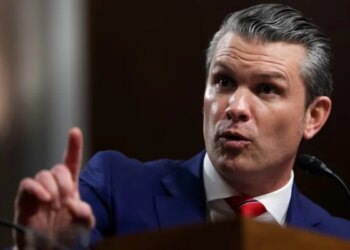
This latest policy change under Defense Secretary Pete Hegseth, a former Fox News host, continues a trend of tightening restrictions on media access—something several outlets have refused to accept, including Fox News.
 ChatGPT
 Perplexity
 Gemini AI
 Grok AI