Select Language:
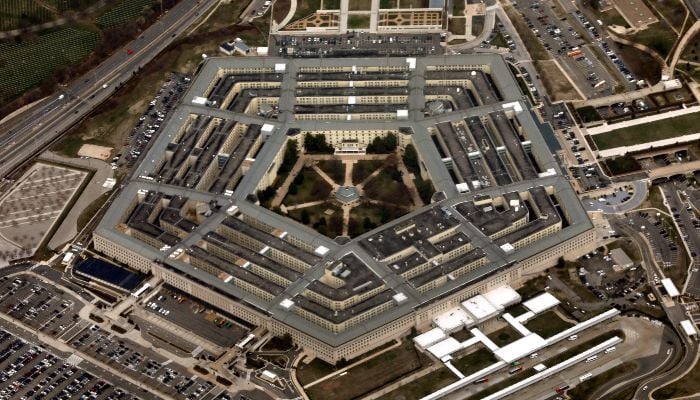
The U.S. military’s plea for an extra $200 billion to fund the ongoing conflict with Iran faced stiff opposition in Congress on Thursday. Both Democrats and some Republicans questioned the necessity of additional funding, especially considering last year’s substantial defense budget, according to The News.
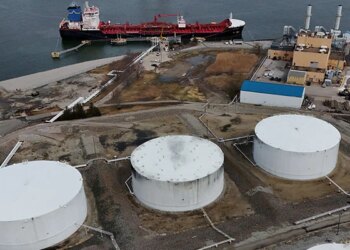
Meanwhile, energy markets reacted to Iranian assaults on major energy infrastructure. A significant spike in Brent crude oil prices saw it peak at $119 before dropping back to $112, and European natural gas prices surged 35%. This volatility followed Iranian missile strikes on Qatar’s Ras Laffan LNG complex in retaliation for an Israeli attack on Iran’s South Pars gas field. Qatar’s Energy Ministry confirmed extensive damage, highlighting Iran’s defiance of its earlier promises to limit attacks to U.S. interests only.
Iran threatened to escalate its response if its energy sites are targeted again. Other attacks, including a drone crash at a Saudi refinery and fires at Kuwaiti oil facilities, pointed to increasing regional instability. Even Israel reported damage to a port-based oil refinery amid warnings of Iranian missile launches.
President Donald Trump stated there would be no repeat of Israel’s attack on Iran’s South Pars, but warned Tehran of a strong U.S. response if attacks persisted. Iran declared it would retaliate with ‘zero restraint’ if its energy infrastructure was once again hit.
The confrontation spills into international waters, with several European nations expressing concern over the safety of the Strait of Hormuz and options for ensuring free passage. French President Emmanuel Macron criticized the escalation and called for direct U.S.-Iran talks. The U.K. and other allies echoed this call, emphasizing the importance of maintaining stability in the region.
Global markets remain tense, with fears over prolonged conflict. The International Monetary Fund warned that sustained high energy prices could raise worldwide inflation by up to 2%. The World Trade Organization cautioned that ongoing war could threaten global trade and food security, projecting a slowdown in merchandise trade growth this year.
Saudi Arabia’s Foreign Minister, Prince Faisal bin Farhan, warned that Iran’s repeated attacks could provoke military responses from Riyadh, which has not ruled out taking action. Turkey’s Foreign Minister urged Iran to avoid expanding its conflict to neighboring countries, emphasizing it holds a ‘historic responsibility’ to refrain from attacks.
Across the region, tensions remain high, with missile launches reported in Israel, explosions near U.S. bases in Iraq and the UAE, and increased military preparedness among Gulf countries. The situation continues to evolve amidst calls for calmer diplomacy and the risk of further escalation.
In the political arena, lawmakers considered additional military sales and support packages, including billions in arms to Gulf allies like Kuwait and the UAE, to bolster regional defenses. International efforts to establish safe shipping corridors through the Strait of Hormuz are underway, aiming to protect commercial vessels amid threats of tolls and taxes proposed by Iranian lawmakers.
Overall, the region remains volatile as global powers attempt to navigate a complex web of military, economic, and diplomatic challenges stemming from these escalating conflicts.
 ChatGPT
 Perplexity
 Gemini AI
 Grok AI