Select Language:
A 45-day ceasefire proposal is actively being discussed, with ongoing negotiations involving regional mediators. Sources indicate that a comprehensive plan for large-scale strikes remains prepared, should diplomatic efforts fail. Iran continues to uphold a firm stance following President Trump’s threats.
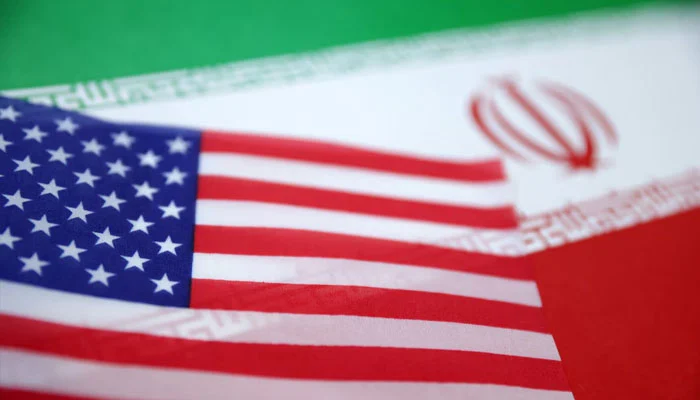
Pakistan, alongside other regional countries, is intensively working to facilitate a potential 45-day truce between Iran and the U.S., which could pave the way for a permanent resolution. Nonetheless, officials warn that the likelihood of reaching even a partial agreement within the next two days remains low. Current diplomatic efforts are seen as Iran and the U.S.’s last chance to avoid significant escalation, including extensive missile strikes on Iranian civilian infrastructure and retaliatory operations targeting energy and water facilities across Gulf nations.
Earlier, President Trump set a 10-day deadline for Iran, which was nearing expiration. On Sunday, he told The Wall Street Journal that if Iran does not open the Strait of Hormuz by Tuesday evening, the United States may launch attacks on critical infrastructure.
“I think there’s a good chance, but if no deal is reached, I will destroy everything over there,” Trump warned, reiterating threats to target vital Iranian infrastructure.
For over five weeks, the U.S. and Israel have launched missile and air strikes against Iran, claiming these steps are necessary to eliminate imminent threats posed by Iran’s nuclear program, missile arsenals, and support for regional militias.
Iran has responded by effectively shutting down the Strait of Hormuz, a key maritime route through which approximately 20% of the world’s oil and natural gas supply passes. Iran has also targeted U.S. military installations and other sites around the Gulf.
Sources reveal that the operational plans for a large-scale U.S.-Israeli bombing campaign targeting Iranian energy sites are ready, but the extension of Trump’s deadline is viewed as a final effort to negotiate a deal.
Mediators are engaging through Pakistani, Egyptian, and Turkish channels, as well as through direct text exchanges between Trump’s envoy Steve Witkoff and Iran’s Foreign Minister Abbas Araghchi. Pakistan has emerged as a crucial mediator amid escalating tensions following U.S.-Israeli strikes launched on February 28.
According to a U.S. official, Washington has proposed several options in recent days, but none have been accepted yet. Negotiations are centered around a two-phase plan: initially, a possible 45-day ceasefire aimed at negotiating a permanent peace; and later, concluding with a comprehensive resolution to end the conflict. The ceasefire could be extended if necessary for further talks.
The second phase involves formally ending the war, with confidence-building measures such as Iran partially reopening access to the Strait of Hormuz and addressing Iran’s enriched uranium stockpile—whether through removal or dilution—being considered only through a final agreement.
Efforts also include measures to build mutual trust, with Iran expressing skepticism about ceasefire agreements, citing past instances in Gaza and Lebanon where hostilities resumed despite formal accords. The mediators are working on U.S. assurances that a ceasefire would be lasting.
Warnings have been issued that U.S. and Israeli strikes on Iran’s energy infrastructure could provoke a strong Iranian response targeting regional oil and water facilities. The next 48 hours are seen as critical to finalizing a deal and avoiding widespread destruction.
Despite diplomatic overtures, Iran maintains a tough stance publicly, refusing to make concessions. The Iranian Revolutionary Guard Corps Navy has declared that conditions in the Strait of Hormuz will “never return” to pre-war norms, especially for the United States and Israel.
The White House has not issued any official comment on the ongoing negotiations.
 ChatGPT
 Perplexity
 Gemini AI
 Grok AI