Select Language:
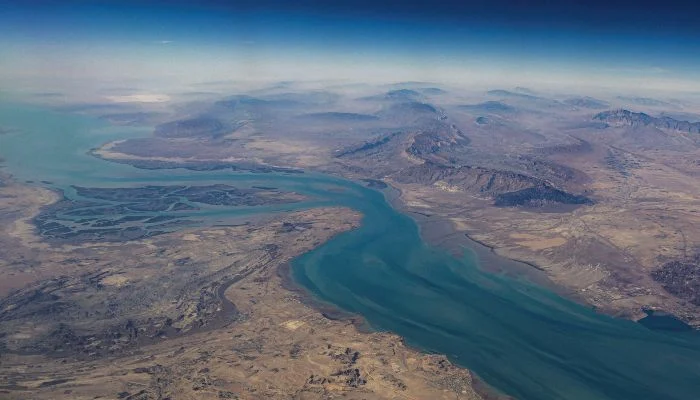
Oil and gas shipping rates worldwide have surged sharply, with supertankers in the Middle East reaching record-high costs amid escalating US-Iran tensions. The conflict intensified after Tehran targeted ships navigating the Strait of Hormuz, causing a near halt in maritime traffic through this vital corridor—responsible for about 20% of the world’s oil and a significant volume of liquefied natural gas.
This disruption has led to a spike in energy prices, with Brent crude futures jumping nearly 10% over the week as multiple oil and gas facilities in the Middle East have shut down due to fears of prolonged closures and retaliation strikes from Iran. The cost for shipping 2 million barrels of crude from the Middle East to China via very large crude carriers (VLCCs), known as the TD3 route, hit an all-time industry high on Monday, reflecting rates of approximately $423,736 per day or a W419 on the Worldscale measure—a doubling from just last Friday.
Shipping costs from the Middle East to Asia have soared, driven by U.S. and Israeli strikes that targeted Iran’s leadership, prompting Iranian retaliation against Gulf nations. Iran’s Revolutionary Guards publicly announced the Strait of Hormuz is closed and vowed to fire on any passing vessels. However, the U.S. Central Command disputed these claims, stating the strait remains open.
Meanwhile, liquefied natural gas (LNG) shipping rates have also spiked—over 40% on Monday—after Qatar announced halts in its gas production. Atlantic routes now see daily rates reaching around $61,500, up 43% from the previous week, while Pacific rates are approximately $41,000, up 45%.
Energy analysts forecast that spot LNG rates could exceed $100,000 per day this week amid tight supply conditions, as vessel availability is limited due to weather-related delays earlier in February. Shipping companies are suspending operations altogether or seeking alternative routes and ports, with South Korean shipping giant Hyundai Glovis planning contingency measures.
South Korea’s maritime authorities have advised shippers to pause activities in the Middle East region and are discussing additional safety protocols following Iran’s threats to target passing ships. Until safe passage through the Strait of Hormuz can be guaranteed, maritime transportation remains largely idle, causing ripple effects across the global oil and gas markets.
 ChatGPT
 Perplexity
 Gemini AI
 Grok AI